When you think of Taylor Swift, glowing skin under stage lights probably comes to mind before anything else. Her approach to skincare isn't about chasing trends or filling bathroom shelves with dozens of products—it's about consistency, protection, and science-backed practices that actually work.
Dermatologists emphasize unwavering sun protection, hydration both internally and topically, gentle yet thorough cleansing, and treating mental wellness as essential to visible skin health. For anyone looking to simplify their routine while getting real results, this documented approach offers a practical framework—and a daily exfoliating cleanser that combines cleansing, exfoliation, and hydration in one step fits perfectly into this philosophy.
The global superstar has maintained deliberately private beauty practices, but carefully captured glimpses from behind-the-scenes footage, interviews, and public appearances reveal sophisticated understanding of dermatological science. Rather than relying on quick fixes or expensive treatments alone, Swift prioritizes consistency over perfection—the kind of disciplined adherence that dermatologists say produces superior long-term results compared to sporadic use of trending products.
Key Takeaways
-
Sun protection serves as a non-negotiable foundation—dermatologists say never leave home without SPF
-
Double cleansing with oil-based then water-based cleansers removes both makeup and impurities without stripping skin
-
Hydration works from inside out: adequate water consumption plus topical hyaluronic acid products maintain skin moisture
-
Mental wellness practices including meditation and journaling directly impact skin health by reducing cortisol-driven inflammation
-
Consistency matters more than complexity—regular use of gentle, science-backed products outperforms sporadic luxury treatments
-
Exercise enhances circulation and natural detoxification, supporting the skin's repair and renewal processes

Inside Taylor Swift's Approach to Radiant Skin
Taylor Swift's skincare philosophy fundamentally rejects the idea that achieving luminous skin requires constant experimentation with the latest product innovations. Instead, her documented routine demonstrates unwavering commitment to consistency over trends—the principle that regular, disciplined adherence to a well-designed regimen produces superior outcomes compared to sporadic use of high-end products.
The singer has been remarkably vocal about the discipline required to maintain skin health during intense professional demand, particularly during her record-breaking Eras Tour. She disclosed that she committed to specific wellness practices with uncompromising consistency, stating that she would maintain strength, stamina, and overall health regardless of whether she was experiencing illness, injury, heartbreak, or stress. This same disciplined mentality extends to her skincare philosophy.
Rather than believing that high-stress periods excuse skincare adherence, Swift treats her routine as non-negotiable maintenance that becomes even more important during demanding periods. This approach reflects emerging research into the relationship between stress and skin deterioration—circumstances under which consistent skincare maintenance can actively counteract negative physiological effects.
A multi-component approach includes:
-
Prevention of environmental damage through daily sun protection
-
Maintenance of hydration and barrier function with layered products
-
Active removal of impurities through strategic cleansing
-
Psychological benefits from dedicated self-care practices
The Essential Morning Skin Care Routine Order
Step 1: Gentle Morning Cleanse
A morning routine starts with cleansing—a critical step that removes overnight oil accumulation, dead skin cells, and prepares skin for product absorption. The key is selecting a cleanser that removes impurities without compromising the skin's protective barrier.
Research examining facial skincare adherence has found that the American Academy of Dermatology's recommendation of gentle cleansing twice daily with appropriate moisturizer application represents the optimal baseline for skin health. Deviating from this principle through excessive cleansing or harsh surfactants leads to barrier compromise and subsequent skin problems.
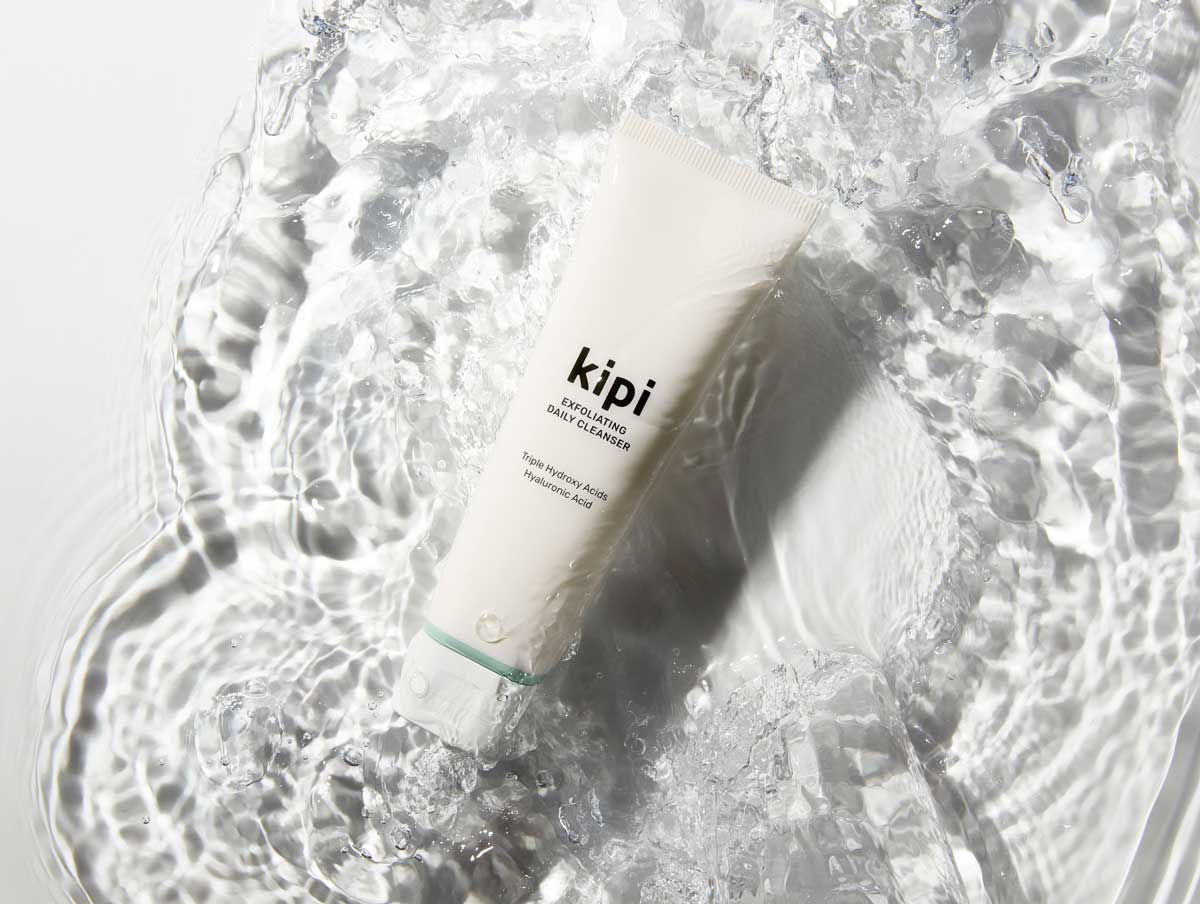
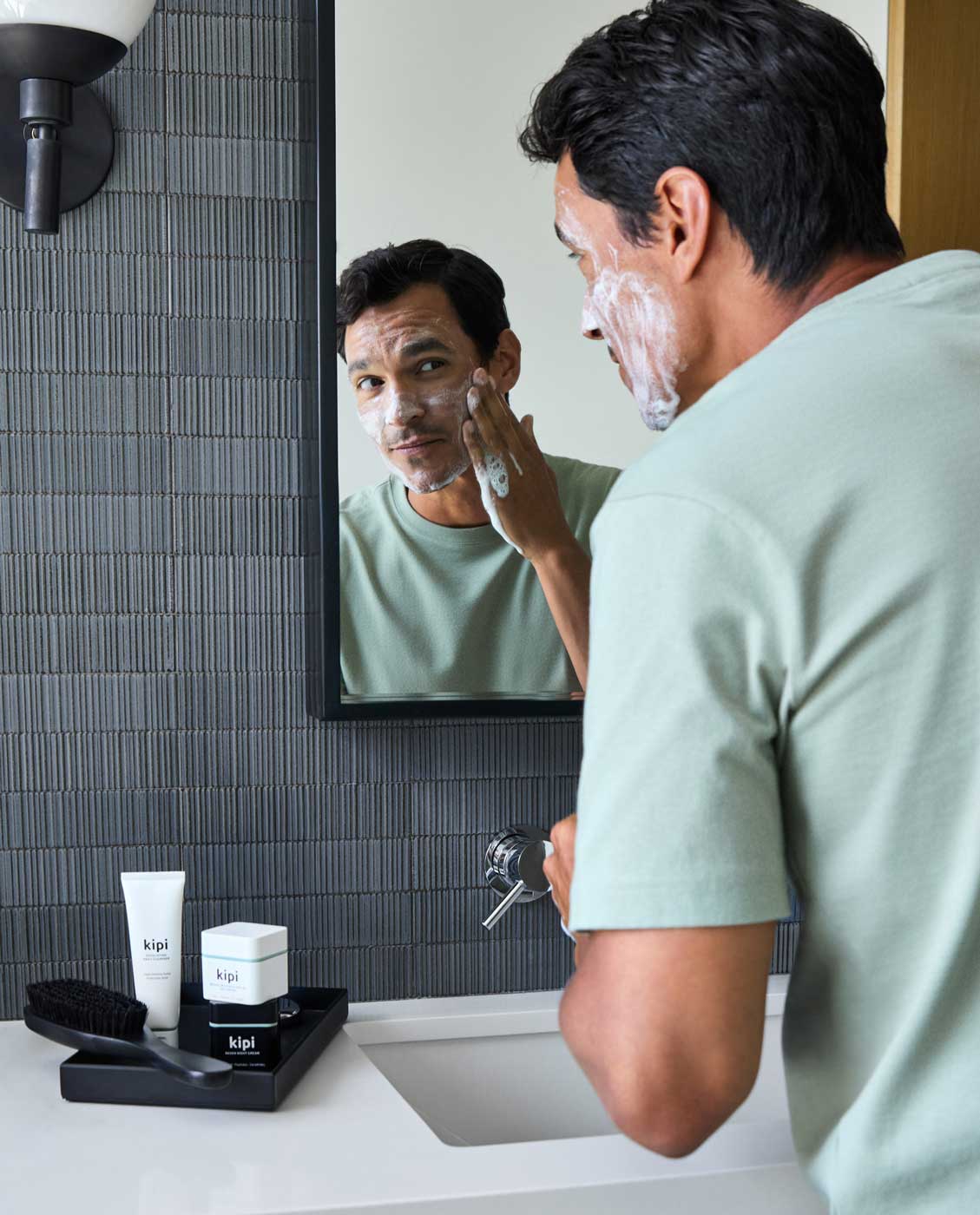
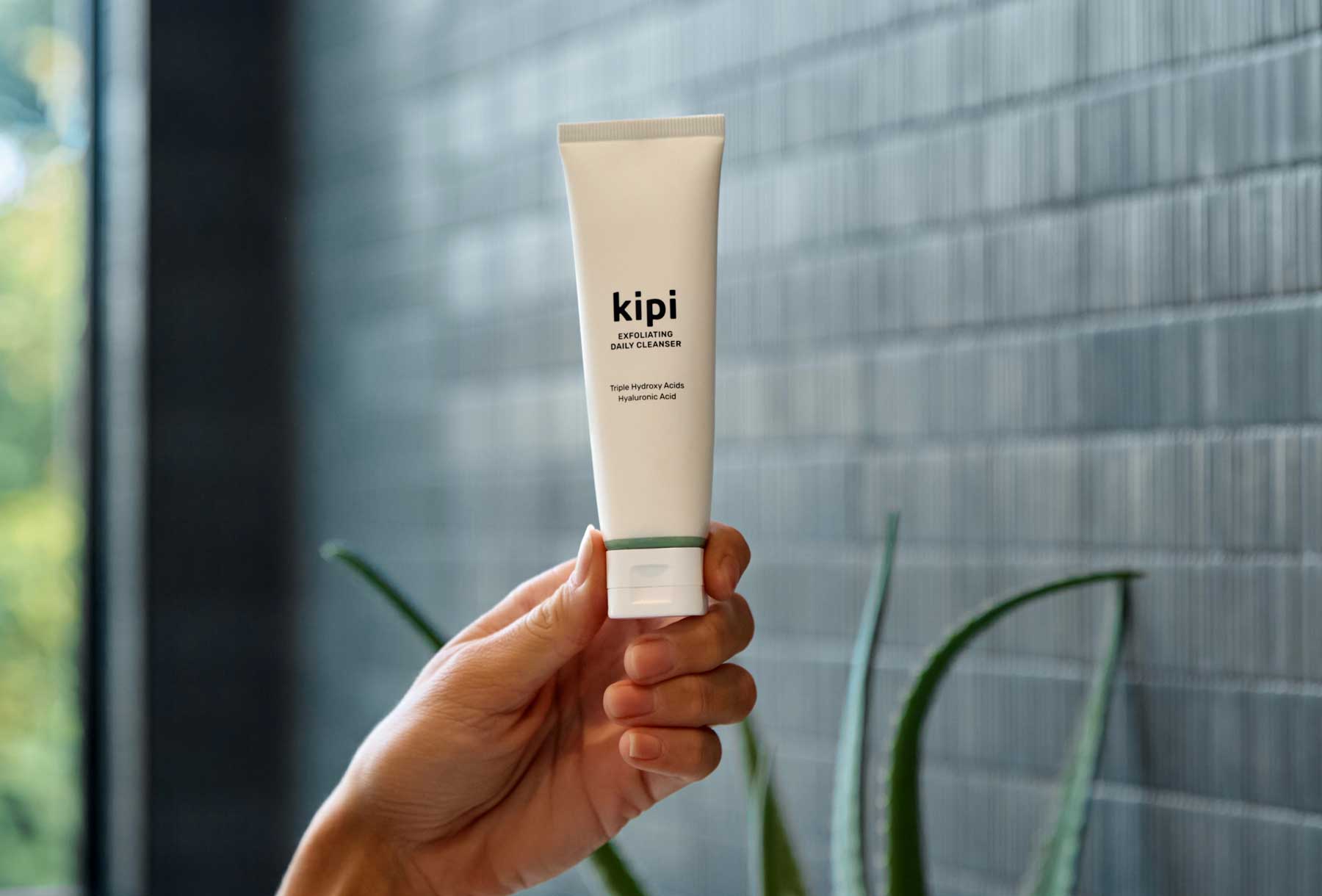
For those seeking a science-backed approach, a multifunctional cleanser that exfoliates while hydrating can replace multiple products. The Kipi Exfoliating Daily Cleanser combines triple-action hydroxy acids with charged hyaluronic acid to cleanse, exfoliate, and hydrate in one simple step—gentle enough for morning use before SPF application.
Step 2: Hydration and Treatment Layers
After cleansing, layering hydrating products strategically is essential. Hyaluronic acid serves as a cornerstone ingredient, capable of binding up to one thousand times its weight in water.
The strategic selection of hydrating products demonstrates understanding that optimal skin hydration requires layering products with complementary mechanisms. Hyaluronic acid operates most effectively when layered with occlusive ingredients that prevent moisture escape and with other humectants that draw moisture from multiple sources.
Morning hydration layers:
-
Hyaluronic acid serum to bind water molecules
-
Lightweight moisturizer to seal in hydration
-
Products with ceramides to support barrier function
Step 3: Sun Protection
Perhaps the most clearly documented aspect of Swift's philosophy is unwavering commitment to daily sun protection, which she has explicitly identified as her number-one skincare essential. She states she does not leave the house without implementing sun protection.
This commitment reflects advanced dermatological understanding of ultraviolet radiation's role in premature skin aging, skin cancer development, and photoaging manifestations. Sun protection represents what dermatologists describe as the closest existing equivalent to a "fountain of youth," with research demonstrating that consistent daily sunscreen use can measurably slow skin aging processes.
A landmark randomized trial in Australia involving over sixteen hundred individuals found that those assigned to use SPF 15 sunscreen daily for ten years experienced substantially fewer melanomas—specifically, eleven new primary melanomas compared to twenty-two in the discretionary use group.
Dermatologists recommend sunscreen formulations with SPF 30 or higher, which provides approximately ninety-seven percent protection against ultraviolet B rays.
Night Skin Care Routine Steps for Renewal
Deep Cleansing to Remove the Day
Taylor Swift has been documented implementing the double cleansing method—a two-stage approach using an oil-based cleanser followed by a water-based cleanser. This method addresses a fundamental challenge: removing both lipophilic (oil-soluble) and hydrophilic (water-soluble) impurities that accumulate on skin surfaces throughout the day, including makeup residues and environmental pollutants.
The two-stage process:
-
Oil-based cleanser dissolves makeup, sunscreen, and excess sebum through the principle that chemically similar substances dissolve in one another
-
Water-based cleanser removes water-soluble impurities including sweat, pollutants, and residual product from the first stage
Exfoliation for Cell Turnover
Strategic exfoliation—the removal of accumulated dead skin cells—plays an important role in maintaining skin luminosity and optimizing the efficacy of subsequent products.
Research examining exfoliation mechanisms has confirmed that regular, gentle exfoliation can improve skin luster by removing the dull, dead cell layer and can help prevent pore clogging. Additionally, exfoliation enhances penetration of subsequent skincare products.
However, this approach must be governed by important constraints. The American Academy of Dermatology emphasizes that exfoliation is not universally necessary and that individuals with sensitive, dry, or acne-prone skin require particular caution. Excessive exfoliation can severely compromise skin barrier function and accelerate aging processes. When starting with chemical exfoliants, begin with 1-3 times weekly and gradually increase based on skin tolerance.
For a science-backed exfoliation approach, products formulated at skin's natural pH with gentle hydroxy acids provide consistent exfoliating action without the risks associated with aggressive treatments. The Kipi Exfoliating Daily Cleanser contains triple-action hydroxy acids at 2.4% concentration—alpha-hydroxy acid complex at 1%, beta-hydroxy acid complex at 0.4%, and gluconolactone at 1%—formulated at pH 4.5-5.5 to match skin's natural acidity.
Overnight Hydration and Repair
Scientific research examining the consequences of sleeping with makeup has consistently documented significant negative effects on skin health, providing strong rationale for complete makeup removal before sleep.
Makeup left on overnight traps dirt, pollutants, oil, and bacteria against skin surfaces, creating ideal conditions for pore clogging and bacterial proliferation. Additionally, makeup can hold free radicals accumulated during daytime exposure—reactive oxygen species that contribute to cellular damage.
Dermatological research has established that overnight makeup removal is essential for allowing the skin's natural nighttime repair processes to proceed uninhibited. During sleep, skin undergoes particularly active DNA repair and collagen synthesis—processes that research has shown are essential for skin health and renewal.
Best Skincare Products Categories for a Routine
Cleansers That Balance and Refresh
The foundation of any effective skincare routine starts with the right cleanser. Gentle cleansing products reflect a critical principle: excessive or harsh cleansing compromises skin barrier function, subsequently causing the very problems—dryness, irritation, and accelerated aging—that cleansing should prevent.
Key cleanser characteristics:
-
pH-balanced formulations (4.5-5.5) that match skin's natural acidity
-
Gentle surfactants that remove impurities without stripping
-
Hydrating ingredients like hyaluronic acid or glycerin
-
No harsh sulfates or parabens
For those seeking to simplify their routine without sacrificing results, multifunctional cleansers eliminate the need for separate exfoliants and toners. A cleanser that combines exfoliation with hydration delivers three benefits in one step—exactly the kind of efficiency that aligns with a consistency-focused philosophy.
Active Ingredients for Visible Results
Scientifically-validated active ingredients address multiple skin concerns. Vitamin C serves as a cornerstone, functioning as a potent antioxidant while serving as a critical cofactor for collagen synthesis.
Clinical research examining topical vitamin C application has demonstrated that daily use for periods as short as three months can produce measurable improvements in fine and coarse wrinkles, overall skin texture, and skin appearance. Additionally, vitamin C provides photoprotection when combined with sunscreen, reducing UV-induced free radical formation.
Evidence-backed active ingredients:
-
Hydroxy acids for gentle exfoliation and cell turnover
-
Hyaluronic acid for deep, long-lasting hydration
-
Vitamin C for antioxidant protection and brightening
-
Provitamin B5 (panthenol) to soothe and support barrier function
Hydrators and Barrier Support
A layered approach to hydration demonstrates understanding that skin moisture requires multiple mechanisms working together. Humectants draw water into skin, while occlusives prevent water loss, and emollients smooth and soften.
Ceramides support barrier function and help reduce transepidermal water loss, while occlusive ingredients like petrolatum can reduce TEWL by up to 98-99 percent. Together, these mechanisms create optimal conditions for sustained hydration.
The Kipi Exfoliating Daily Cleanser incorporates moisture-locking natural sugars that form a hydrating matrix on the skin's surface, optimizing water reserves and improving barrier function for immediate and long-term hydration. Vegan and cruelty-free, it ships in 1-2 business days with free shipping and returns.
Adapting the Routine for Different Skin Types
For Normal to Dry Skin
Individuals with normal to dry skin can follow the documented approach with particular emphasis on hydration layers and gentle cleansing. Rich, creamy cleansers provide cleansing action without the tightness that characterizes harsh formulations.
Dry skin adaptations:
-
Use oil-based cleansers or cream cleansers for first cleanse
-
Layer hyaluronic acid serum under richer moisturizers
-
Apply facial oils as final step to seal hydration
-
Start exfoliation gradually, monitoring for sensitivity
For dry skin that's also sensitive to exfoliation, polyhydroxy acids (PHAs) offer gentler action than traditional AHAs or BHAs. The Kipi cleanser's inclusion of gluconolactone provides exfoliation benefits while maintaining hydration—suitable for sensitive skin when introduced gradually.
For Combination Skin
Combination skin—oily in the T-zone, normal or dry on cheeks—benefits from a layered approach with strategic product placement. The key is addressing different zones' needs without over-complicating the routine.
Combination skin strategies:
-
Use the same gentle cleanser across entire face
-
Apply lightweight hydrators to oily zones, richer creams to dry areas
-
Exfoliate oily zones slightly more frequently if needed
-
Always use sunscreen uniformly across all areas
The Kipi Exfoliating Daily Cleanser's formulation at pH 4.5-5.5 suits combination skin by maintaining natural pH balance across different zones. Its rich creamy formula rinses clean without residue or tightness, appropriate for both oily and dry areas.
For Oily and Acne-Prone Skin
Oily, acne-prone skin requires particular attention to pore-clearing ingredients while maintaining adequate hydration to prevent compensatory oil production. Products containing salicylic acid align with dermatological recommendations for this skin type.
Acne-prone skin priorities:
-
Gentle cleansing with BHA-containing formulas
-
Lightweight, non-comedogenic hydrators
-
Consistent exfoliation to prevent pore clogging
-
Never skip moisturizer, even with oily skin
Beta-hydroxy acid's ability to penetrate pores makes it particularly effective for preventing comedones and reducing acne formation. The 0.4% salicylic acid in the Kipi cleanser provides clinically effective pore-clearing action while natural sugars and hyaluronic acid prevent the over-drying that worsens acne.
Frequently Asked Questions
Can I achieve glowing skin without expensive products?
Absolutely. Consistency outweighs luxury—dermatologists confirm affordable, science-backed products used regularly achieve superior results compared to expensive products used sporadically. Focus on pH-balanced cleansers, broad-spectrum SPF 30+, and proven ingredients like hyaluronic acid and glycerin.
How long before I see results from a consistent skincare routine?
Research shows visible improvements in hydration and texture appear within 2 weeks of consistent gentle cleansing and moisturizing. More substantial changes—reduced fine lines, enhanced firmness—typically emerge at 28-day intervals, aligning with skin's natural cell turnover cycle.
What's the most important step in a skincare routine?
Sun protection. Dermatologists universally agree daily broad-spectrum SPF 30+ sunscreen represents the most powerful anti-aging intervention available, measurably slowing photoaging processes including wrinkles, pigmentation changes, and elasticity loss while preventing skin cancer.
Is double cleansing really necessary for healthy skin?
Double cleansing proves particularly beneficial for those wearing makeup, sunscreen, or living in high-pollution areas. The two-stage approach effectively removes both oil-soluble and water-soluble impurities. For minimal makeup days, a single thorough cleanse may suffice.
What makes hydroxy acids different from physical scrubs?
Hydroxy acids work at the molecular level to dissolve bonds between dead skin cells without mechanical abrasion. Beta-hydroxy acids penetrate pores to dissolve debris from within—something physical scrubs cannot achieve—while minimizing barrier compromise and irritation risks.