Comprehensive performance data compiled from clinical research on skin texture improvement, market trends, and science-backed formulations that deliver measurable smoothness results
The pursuit of smooth, refined skin texture has driven significant innovation in skincare formulations, with clinical studies now demonstrating measurable improvements of up to 76% in skin dryness reduction and 39% in visual texture refinement within eight weeks. For consumers seeking science-backed exfoliating cleansers that simplify their routines while delivering visible results, these statistics reveal the powerful impact of consistent, targeted approaches to skin smoothness. This data-driven analysis examines 25 critical statistics that define clinical efficacy, consumer behavior patterns, and market dynamics shaping the skin texture improvement landscape in 2025.
Key Takeaways
-
Clinical evidence validates exfoliating cleanser efficacy – Skin dryness reduces by 76% and visual texture improves by 39% after eight weeks of consistent exfoliating cleanser use, establishing chemical exfoliation as the most effective non-invasive approach for achieving smoother skin texture without professional procedures
-
Market expansion reflects consumer prioritization – The global skincare market grows from $148 billion in 2022 to projected $231.6 billion by 2032, with skincare ingredients reaching $21.5 billion by 2034, driven by demand for multifunctional formulations addressing texture, hydration, and clarity
-
Men's skincare adoption accelerates dramatically – Male skincare product usage increased 68% from 2022 to 2024, with Gen Z men leading at 68% regular usage, creating substantial opportunities for gender-neutral, science-backed formulations
-
Professional treatments show strong growth – Skin resurfacing procedures increased 6% in 2024, with 3.7 million chemical peels and resurfacing treatments performed, yet daily exfoliating cleansers deliver comparable texture benefits at accessible price points through at-home use
-
Consistent routines deliver measurable advantages – Visible improvements in skin texture appear within 4-8 weeks of daily use, demonstrating that routine adherence matters more than product quantity for achieving optimal results

Clinical Performance Data for Skin Texture Improvement
1. Exfoliating cleanser reduces skin dryness by 76% in eight weeks
Clinical research on keratosis pilaris treatment demonstrates that consistent use of exfoliating cleansers and moisturizers reduces skin dryness by 76% over an eight-week period. This substantial improvement establishes chemical exfoliation as highly effective for addressing the rough, dry texture that prevents smooth skin appearance. The study validates formulations combining alpha-hydroxy acids, beta-hydroxy acids, and polyhydroxy acids for comprehensive texture refinement without harsh physical abrasives. Source: L'Oréal Research and Innovation
2. Visual skin texture improves by 39% with tactile smoothness increasing 34%
The same clinical study measured both visual appearance and tactile feel, revealing 39% improvement in visual texture assessment and 34% improvement in tactile smoothness after eight weeks. These dual measurements confirm that texture improvements are both visible to observers and perceptible to touch, addressing the complete sensory experience of skin smoothness. Formulations incorporating charged hyaluronic acid for hydration alongside exfoliating acids deliver comprehensive texture refinement through multiple mechanisms. Source: L'Oréal Research and Innovation
3. Follicular erythema reduces by 20% within eight-week treatment period
Beyond texture improvement, exfoliating cleanser regimens reduce follicular erythema—the redness surrounding hair follicles that contributes to uneven skin appearance—by 20% in eight weeks. This reduction addresses the inflammatory component of texture concerns, demonstrating that science-backed formulations target multiple factors contributing to rough skin. Ingredients like Pro-Vitamin B5 (DL-Panthenol) support skin barrier function while reducing visible redness. Source: L'Oréal Research and Innovation
4. Visible texture improvements appear within 4-8 weeks of consistent product use
Research across multiple studies confirms that visible skin texture improvements typically appear within 4-8 weeks of consistent product application. This timeframe reflects the natural skin cell turnover cycle, which accelerates with chemical exfoliation. Consumers beginning daily exfoliating cleanser routines should maintain consistent twice-daily use for at least one month before evaluating full efficacy, as premature discontinuation prevents achieving optimal results. Source: Kipi Statistics
Skincare Market Growth and Consumer Demand Statistics
5. Global skincare market valued at $148 billion grows to $231.6 billion by 2032
The global skincare market reached $148 billion in 2022 and is projected to reach $231.6 billion by 2032, growing at a 4.5% compound annual growth rate. This sustained expansion reflects increasing consumer prioritization of skin health and willingness to invest in products delivering measurable results. The market growth creates opportunities for brands offering simplified routines with multifunctional formulations that address texture, hydration, and clarity in single applications. Source: GM Insights
6. Men's skincare market expands from $17.6 billion to $37.3 billion by 2035
The global men's skincare segment demonstrates exceptional growth, expanding from $17.6 billion in 2025 to projected $37.3 billion by 2035 at 10.5% compound annual growth rate. This 112% increase over the decade indicates fundamental shifts in male grooming behavior and acceptance of dedicated skincare products. Brands formulating for all skin types—normal, dry, combination, and oily—without gender-specific marketing capture expanding addressable markets as men seek effective texture improvement solutions. Source: Trilogy Laboratories
7. Skincare ingredients market reaches $13.4 billion in 2024, projects $21.5 billion by 2034
The specialized market for skincare ingredients—including active compounds like hydroxy acids, hyaluronic acid, and vitamins—grew to $13.4 billion in 2024 and projects reaching $21.5 billion by 2034 at 4.8% annual growth. This expansion reflects industry investment in science-backed actives with demonstrated efficacy rather than marketing-driven ingredients. Formulations emphasizing transparent ingredient disclosure and specific concentration percentages align with informed consumer preferences for functional actives. Source: GM Insights
8. US facial skincare market grows 2.2% in 2024 driven by routine prioritization
The United States facial skincare market achieved 2.2% growth in 2024 as consumers increasingly prioritize skincare routines despite economic uncertainties. This growth indicates skincare spending demonstrates resilience, with consumers maintaining investment in products perceived as essential to appearance and self-care. Demand concentrates on hydration, anti-aging, and multifunctionality—exactly the benefits delivered by formulations combining exfoliation, moisture, and barrier support. Source: Mintel via Cosmetics Design
9. Anti-aging and wrinkle reduction captures 37.7% market share in ingredients segment
Within the skincare ingredients market, anti-aging and wrinkle reduction applications command 37.7% market share in 2024, establishing texture refinement and smoothness as dominant consumer concerns. This concentration demonstrates that addressing fine lines, rough texture, and uneven surface appearance represents the primary driver of ingredient innovation and consumer purchasing behavior. Hydroxy acid complexes that promote cell turnover align directly with this largest market segment. Source: Skincare Ingredients Market Report
Consumer Behavior and Routine Adherence Statistics
10. Male facial skincare usage increases 68% from 2022 to 2024
Specific product category tracking shows 52% of US men used facial skincare products in 2024, compared to 31% in 2022, representing a 68% increase in just two years. This acceleration indicates male skincare adoption has reached mainstream acceptance rather than remaining a niche behavior. Products formulated with natural fragrances and lightweight textures appeal to male consumers seeking effective results without heavy residues or overtly feminine positioning. Source: Mintel via Trilogy Laboratories
11. Gen Z men lead adoption at 68% regular usage, up from 42% in 2022
Generation Z male consumers demonstrate the highest skincare engagement, with 68% reporting regular facial product usage in 2024 compared to 42% in 2022. This 62% increase within the youngest adult demographic indicates that routine skincare practices will continue expanding as younger generations age into peak earning years. Brands emphasizing science-backed formulations and ethical practices align with Gen Z values prioritizing transparency and efficacy over traditional marketing claims. Source: Mintel via Trilogy Laboratories
12. 60% of men do not wash faces properly, with over half using hand soap
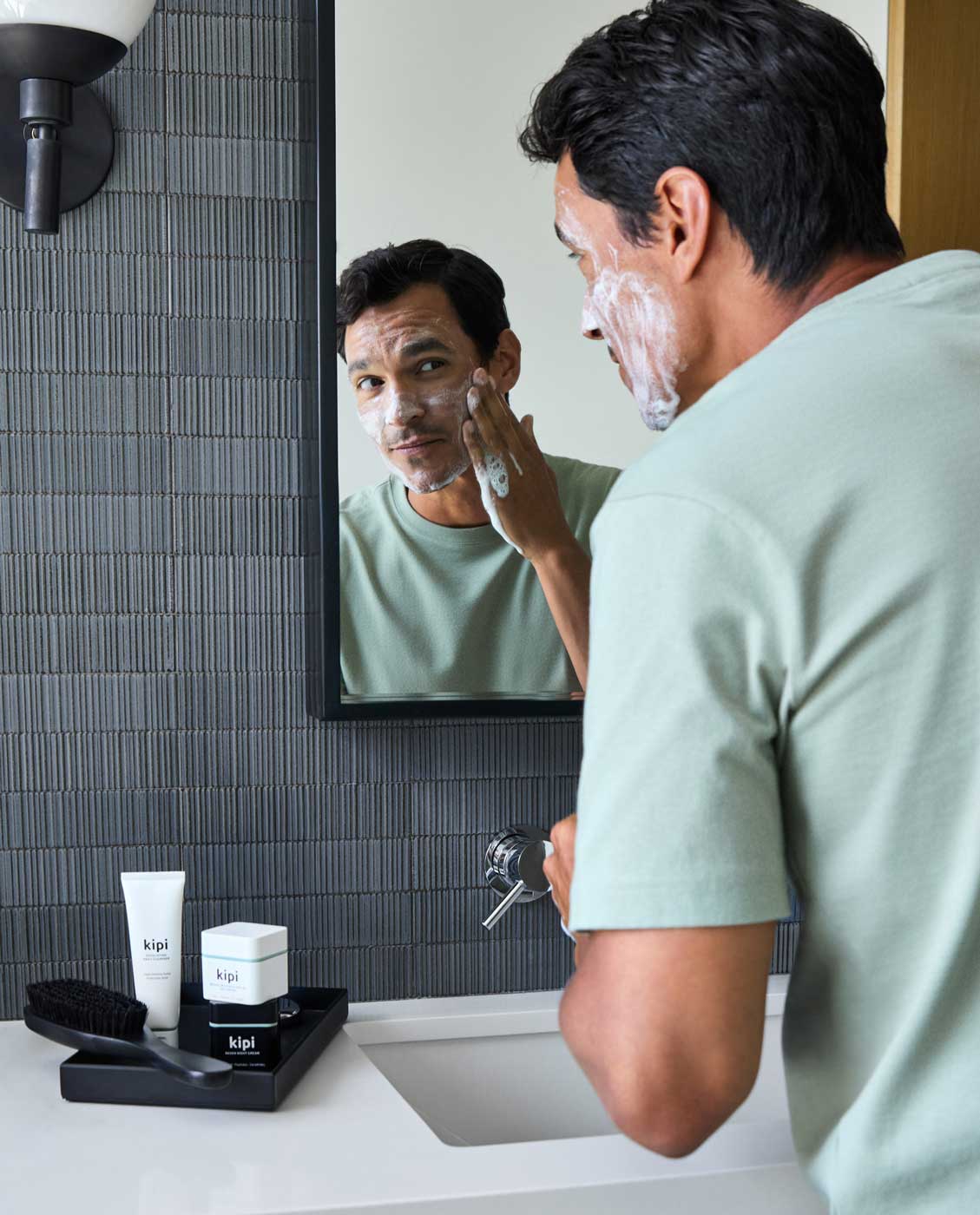
Despite increasing skincare adoption, 60% of men do not wash their faces properly, with over half using hand soap that disrupts skin's natural pH balance. Hand soaps typically formulate at pH 9-10, significantly higher than skin's optimal 4.5-5.5 range, causing dryness and barrier disruption that worsens texture concerns. This widespread improper cleansing creates substantial opportunities for brands emphasizing pH-balanced formulations specifically designed for facial skin. Source: Kipi
Comparative Market Performance and Treatment Statistics
13. Premium product purchases exceed 40% among men aged 18-34
Over 40% of men aged 18-34 purchase premium facial moisturizers, reflecting willingness to invest in higher-quality formulations with demonstrated efficacy. This premium purchasing behavior indicates younger consumers prioritize ingredient quality, brand ethics, and visible results over price considerations. Products positioned at accessible premium pricing—such as $36 one-time purchase or $28.80 subscription models—capture this demographic seeking value without mass-market compromises. Source: Kipi Statistics
14. Men spend average $492 annually on skincare with younger demographics leading
Male consumers spend an average of $492 annually on skincare products, with younger demographics demonstrating higher willingness to invest in premium formulations. This spending level indicates skincare has transitioned from occasional purchase to regular budget allocation, supporting subscription models with auto-delivery every 8 weeks that provide cost savings while ensuring consistent product availability for routine adherence. Source: Kipi Statistics
15. Daily sunscreen application can reduce melanoma risk by 40% in young people
Research demonstrates that daily sunscreen application can reduce the risk of melanoma by 40% in young people, establishing sun protection as critical for long-term skin health. While sunscreen prevents cancer rather than improving texture directly, UV protection prevents collagen degradation and texture damage that accumulates over decades. Skincare routines should incorporate SPF following morning cleansing to maintain smooth texture long-term. Source: Kipi Statistics
16. Skin resurfacing procedures increase 6% in 2024 with 3.7 million treatments
Professional skin resurfacing procedures—including chemical peels, dermabrasion, and laser treatments—increased 6% in 2024, with 3,703,305 total procedures performed. This growth demonstrates sustained consumer demand for texture improvement solutions, though professional treatments require higher investment and recovery time compared to daily at-home exfoliating cleansers that deliver comparable texture benefits through consistent use. Source: American Society of Plastic Surgeons
Regional Market Dynamics and Geographic Trends
17. Asia Pacific dominated global skincare with 51.58% market share in 2022
Asia Pacific dominated the global skincare market, accounting for 51.58% of total market share in 2022. This regional concentration reflects population density, cultural prioritization of skincare, and innovation leadership from Japanese and Korean brands. However, North American brands compete effectively by emphasizing dermatologist-backed science, clinical testing, and transparent ingredient disclosure that resonates with evidence-oriented consumers. Source: Fortune Business Insights via GM Insights
18. Clean beauty movement drives 60% of 2024 launches with "free-from" claims
Product launch analysis reveals 60% of new skincare introductions in 2024 promote "clean" or "free-from" claims, establishing ingredient transparency as mainstream expectation rather than niche positioning. This shift reflects consumer demand for formulations free from sulfates, parabens, and synthetic fragrances, prioritizing naturally-derived ingredients with established safety profiles. Brands highlighting vegan and cruelty-free certifications align with this dominant market trend. Source: GM Insights
19. 72% of consumers globally verify ingredient safety before purchasing
International consumer research demonstrates 72% of skincare purchasers actively check ingredient safety information before completing transactions. This verification behavior indicates consumers no longer rely solely on brand marketing claims, instead researching ingredient functions and safety profiles independently. Brands providing transparent ingredient lists with specific concentrations—such as "Alpha-Hydroxy Acid Complex, 1%" and "Charged Hyaluronic Acid, 0.1%"—meet informed consumer expectations. Source: GM Insights
20. Biotechnology-derived actives grow at 11% CAGR reaching $12 billion by 2030
Biotechnology-derived active ingredients demonstrate exceptional growth at 11% compound annual rate, projected to exceed $12 billion by 2030. This expansion reflects industry investment in engineered ingredients like charged hyaluronic acid, which has been modified to carry positive electrical charge for enhanced water molecule binding compared to conventional hyaluronic acid. Biotechnology enables creation of superior-performing actives addressing specific skin concerns. Source: GM Insights
The Bottom Line
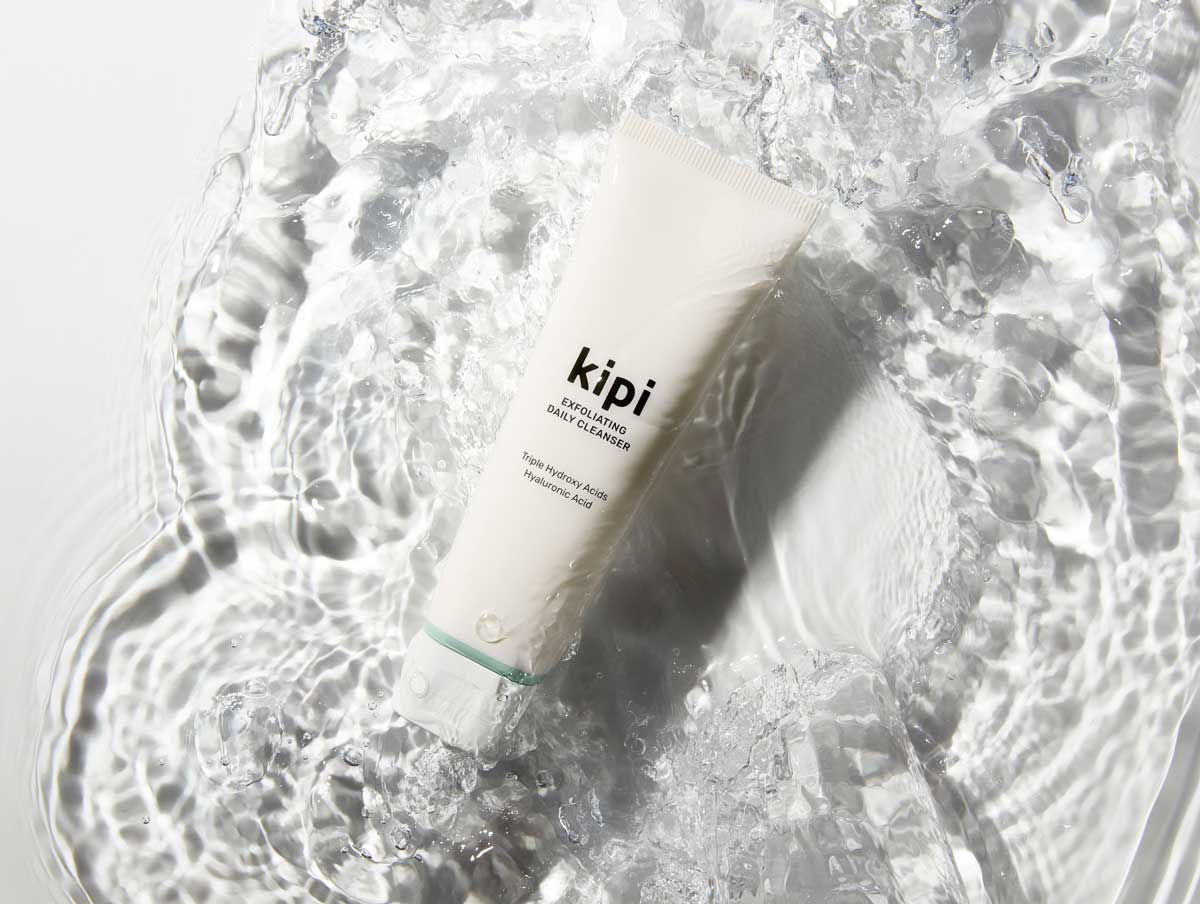
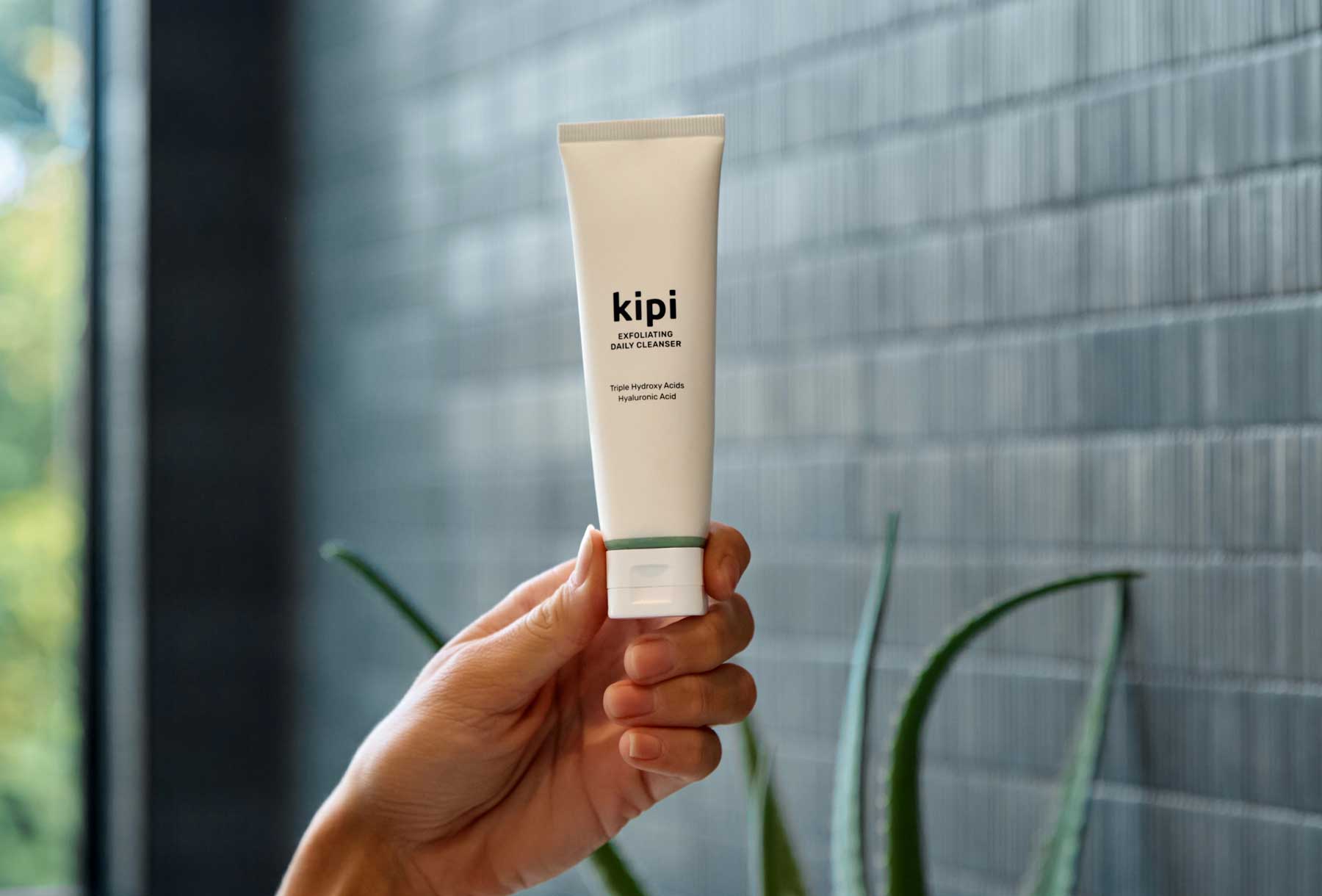
The clinical and market data presented demonstrates that achieving measurably smoother skin texture requires consistent use of science-backed formulations combining chemical exfoliation, hydration, and barrier support. With 76% reduction in skin dryness and 39% visual texture improvement achievable within eight weeks, daily exfoliating cleansers deliver results comparable to professional treatments at accessible price points. Kipi's Daily Exfoliating Cleanser addresses this evidence-based approach by combining alpha-hydroxy acids, beta-hydroxy acids, polyhydroxy acids, and charged hyaluronic acid in a pH-balanced formulation specifically designed for all skin types. As male skincare adoption accelerates 68% and consumers increasingly prioritize multifunctional products with transparent ingredient disclosure, Kipi's simplified one-step routine approach aligns with market trends favoring consistent, straightforward solutions that deliver visible results within the clinically-validated 4-8 week timeframe.
Frequently Asked Questions
How long does it take to see visible skin texture improvements from exfoliating cleansers?
Clinical research demonstrates visible texture improvements typically appear within 4-8 weeks of consistent twice-daily exfoliating cleanser use. This timeframe reflects the natural skin cell turnover cycle, which accelerates with chemical exfoliation from alpha-hydroxy acids, beta-hydroxy acids, and polyhydroxy acids. Studies measuring objective texture changes show 39% visual improvement and 34% tactile smoothness enhancement after eight weeks, establishing this duration as the appropriate evaluation period before adjusting routines.
What percentage of skin texture improvement can be achieved with at-home products versus professional treatments?
Clinical studies on at-home exfoliating cleanser regimens document 76% reduction in skin dryness and 39% improvement in visual texture over eight weeks, comparable to results from professional chemical peels but achieved gradually through consistent daily use rather than single intensive treatments. Professional procedures deliver faster initial results but require recovery time and higher cost, while daily exfoliating cleansers provide sustainable texture refinement at accessible price points through routine adherence.
Do men and women achieve different results from the same skincare formulations?
Skincare formulations designed for all skin types—normal, dry, combination, and oily—deliver equivalent efficacy regardless of gender when matched to individual skin characteristics rather than demographic categories. Clinical studies show that proper product selection based on skin type and consistent routine adherence drive optimal texture improvement outcomes, making gender-neutral, science-backed formulations effective for all users who maintain twice-daily application.
How does routine consistency impact skin smoothness results compared to product selection?
Research demonstrates that consistent twice-daily application produces optimal texture results within the clinically-validated 4-8 week timeframe. Visible improvements appear when products are applied as directed, while sporadic application disrupts the cumulative exfoliation and hydration benefits that drive texture refinement. Simplified routines with multifunctional products combining exfoliation, purification, and hydration in single applications support adherence better than complex multi-step regimens.
What role does pH balance play in maintaining smooth skin texture?
Skin's natural pH ranges from 4.5-5.5, supporting optimal barrier function and microbiome balance that maintain smooth texture. Over 50% of men use hand soap on faces, which formulates at pH 9-10 and disrupts this natural balance, causing dryness and rough texture. Products specifically formulated at skin's natural pH—like cleansers with balanced hydroxy acid blends and charged hyaluronic acid—maintain barrier integrity while delivering exfoliation and hydration, preventing the disruption that contributes to texture concerns.