Comprehensive market intelligence compiled from extensive research on oily skin control products, facial cleansers, and science-backed oil management solutions reshaping the global skincare industry
The global oily skin control products market has reached an estimated $4.7 billion in 2024, with cleansers capturing approximately 38-47% of category revenue as consumers increasingly prioritize effective oil removal in their daily routines. For brands committed to science-backed exfoliating cleansers that lift excess oil while hydrating skin, understanding these market dynamics reveals substantial opportunities where multifunctional formulations deliver visible results. This data-driven analysis examines 30 critical statistics that define the oil removal landscape and illuminate pathways for brands offering triple-action hydroxy acids, charged hyaluronic acid, and simplified routines that address sebum production without stripping skin.
Key Takeaways
-
Oil control market expansion accelerates globally – The oily skin control products market grows from an estimated $4.7 billion in 2024 to a projected $10.3 billion by 2034, representing an 8.2% compound annual growth rate that creates sustained opportunities for brands offering science-backed oil management solutions with proven efficacy
-
Cleansers dominate oil control product revenue – Cleansers represent approximately 38-47% market share within oily skin control products, establishing daily cleansing as the foundational category where multifunctional formulations combining exfoliation, impurity removal, and hydration deliver exceptional value to oil-prone consumers
-
Oil-free claims dominate product positioning – Oil-free formulations command over 50% market share, with consumers specifically seeking products that remove excess oil without adding additional oils, validating lightweight, non-comedogenic approaches to oil management
-
E-commerce channels lead distribution growth – Online retail captures approximately 28-33% of oil control product sales and posts the highest growth rates through 2030, enabling direct-to-consumer brands with subscription models and transparent ingredient communication to compete effectively against established retailers
-
Chemical exfoliants outperform physical alternatives – Science-backed exfoliating acids dominate the exfoliators market, demonstrating clear consumer preference for controlled, uniform skin renewal over harsh mechanical scrubs

Global Oily Skin Control Products Market Size and Revenue Projections
1. Global oily skin control products market reaches estimated $4.7 billion in 2024
The global oily skin control products market achieved an estimated $4.7 billion in 2024, reflecting sustained consumer demand for formulations specifically designed to manage excess sebum production, minimize shine, and prevent breakouts. This market encompasses cleansers, moisturizers, toners, and treatments formulated with oil-absorbing and sebum-regulating ingredients. The category's scale demonstrates that oil control represents a fundamental skincare concern transcending geographic boundaries and demographic segments. Source: Market.us
2. Industry projections forecast $10.3 billion market by 2034
Market analysts project the global oily skin control products market will more than double from current valuations to reach $10.3 billion by 2034, representing an 8.2% compound annual growth rate over the decade. This trajectory outpaces general skincare market expansion rates, indicating oil management formulations capture increasing consumer spending within specialized categories. Brands positioned with daily exfoliating cleansers containing beta-hydroxy acids and alpha-hydroxy acid complexes are particularly well-suited to capture share within this expanding market. Source: Market.us
3. Alternative market projections estimate $11.6 billion by 2035
Future Market Insights projects the oily skin control products market will grow from $5,002.4 million in 2025 to $11,601.2 million by 2035, representing a slightly different trajectory but confirming robust double-digit billion-dollar valuations within the next decade. The consistency across independent market research firms validates sustained category growth regardless of minor forecasting variations. This expansion creates sustained opportunities for multifunctional products delivering oil control, exfoliation, and hydration in single applications. Source: Future Market Insights
4. Facial cleanser market expands to $24.8 billion by 2034
The broader facial cleanser market was estimated at $14.1 billion in 2024 and is expected to grow to $24.8 billion in 2034, with oily skin formulations representing a substantial segment within this category. This 76% growth over ten years demonstrates that cleansing remains the cornerstone of consumer skincare routines, with oil-control cleansers capturing disproportionate share among consumers managing combination and oily skin types. Source: GM Insights
5. North America holds 45.2% of oily skin control products market
North America held 45.2% market share of the oily skin control products market in 2024, valued at approximately $2.1 billion. This regional dominance reflects American consumers' willingness to invest in specialized oil-control formulations and preference for dermatologist-recommended products with clinical efficacy. The concentration creates opportunities for brands emphasizing science-backed formulations manufactured in the USA with transparent ingredient disclosure. Source: Market.us
Consumer Prevalence and Acne-Driven Oil Control Demand
6. Approximately 85% of people aged 12-24 experience at least minor acne
Around 85% of people between the ages of 12 and 24 experience at least minor acne, with excess oil production representing a primary contributing factor to breakouts in this demographic. This prevalence establishes adolescents and young adults as the core target market for oil-control cleansers formulated with salicylic acid and other beta-hydroxy acids that penetrate pores and remove debris. Source: GM Insights
7. Approximately 50 million Americans suffer from acne annually
An estimated 50 million Americans suffer from acne annually, making it the most widespread skin ailment in the United States. This prevalence drives sustained demand for oil-control products that address the sebaceous gland overactivity underlying most acne presentations, particularly formulations combining oil removal with barrier support. Source: GM Insights
8. Around 15% of adult women experience adult acne
Approximately 15% of adult women experience adult acne, often driven by hormonal fluctuations affecting sebum production levels. This demographic seeks sophisticated oil-control solutions that manage excess oil without over-drying mature skin, creating demand for formulations balancing exfoliation with hydration through ingredients like charged hyaluronic acid. Source: GM Insights
9. Estimated 71% of global consumers report skin sensitivity
Around 71% of global consumers report skin sensitivity according to industry research, indicating oil-control products must prioritize gentle formulations that avoid irritation while managing sebum. This statistic reinforces the value of pH-balanced cleansers formulated at skin's natural pH of 4.5-5.5 that remove oil without disrupting protective acid mantle. Source: Mordor Intelligence
Product Type Distribution and Cleanser Market Dominance
10. Cleansers represent approximately 38-47% market share in oily skin control products
Cleansers represent an estimated 38-47% market share in the oily skin control products category based on multiple market research sources, establishing daily cleansing as the single largest product type for oil management. This dominance reflects consumer recognition that effective oil removal begins with proper cleansing rather than supplementary treatments, validating brands focused on delivering comprehensive benefits within cleanser formulations. Sources: Market.us & Future Market Insights
11. Gel-based face washes command approximately 39% market share in 2024
Gel-based face washes command around 39% market share in 2024 due to their versatility and deep cleansing prowess. Gel formulations provide sensory benefits—refreshing texture, visible lather, thorough rinsing—that appeal to consumers managing oily skin, while delivering active ingredients effectively without heavy cream bases that may exacerbate oil concerns. Source: Mordor Intelligence
12. Foam-based cleansers grow at approximately 7.5% CAGR through 2030
Foam-based cleansers are projected to grow at around 7.5% CAGR from 2025 to 2030, representing rapid expansion within the cleansing category. Foam formulations deliver perceived deep-cleaning benefits that resonate with oily-skin consumers seeking thorough oil removal, though rich creamy foaming formulas that rinse clean without residue offer superior hydration benefits. Source: Mordor Intelligence
13. Oily skin segment grows at approximately 6% CAGR in facial cleanser market
The oily skin segment is expected to grow at a CAGR of around 6% during the forecast period 2025 to 2034 in the facial cleanser market. This specialized growth rate confirms sustained demand for formulations specifically addressing excess sebum, creating opportunities for products with targeted active ingredients like 0.4% salicylic acid and 1% alpha-hydroxy acid complexes. Source: GM Insights
Active Ingredient Performance and Formulation Preferences
14. Niacinamide dominates with approximately 32% market share for sebum regulation
Niacinamide dominates the active ingredient segment with an estimated 32% market share due to its proven efficacy in regulating sebum production. This vitamin B3 derivative reduces oil output from sebaceous glands while strengthening skin barriers, representing the gold-standard active ingredient for oil control without irritation. Source: Market.us
15. Salicylic acid remains cornerstone for oily skin management
Salicylic acid remains a cornerstone ingredient for oily skin management through its beta-hydroxy acid properties that penetrate oil-filled pores and dissolve debris. Formulations containing 0.4% salicylic acid provide effective exfoliation while remaining gentle enough for daily use, refining skin texture and removing oil without over-drying. Source: Market.us
16. Oil absorption functions lead market with approximately 37% share
Oil absorption functions lead the market with an estimated 37% share by directly targeting the core issue of oily skin. Consumers specifically seek products that immediately absorb excess surface oil while preventing new oil accumulation, validating formulations combining absorbent ingredients with sebum-regulating actives for comprehensive oil management. Source: Market.us
17. Natural and organic formulations advance at approximately 8% CAGR
Natural and organic face wash formulations are advancing at around 8% CAGR through 2030, outpacing conventional product growth rates. This acceleration reflects consumer preference for naturally-derived oil-control ingredients like citrus fruit extract blends and plant-based exfoliants over synthetic alternatives, creating opportunities for clean beauty oil-control solutions. Source: Mordor Intelligence
Oil-Free Claims and Non-Comedogenic Product Positioning
18. Oil-free claims dominate with over 50% market share
Oil-free claims dominate the oily skin control products market with an estimated 51-52% share, establishing this positioning as the most important product attribute for oil-prone consumers. The prevalence reflects consumer understanding that adding oil to already oily skin proves counterproductive, validating lightweight formulations that remove oil without introducing additional oils. Source: Future Market Insights
19. Non-comedogenic claims provide essential consumer assurance
Non-comedogenic claims provide essential assurance to consumers prone to breakouts, indicating formulations will not clog pores despite containing beneficial ingredients. This certification proves particularly important for oil-control products containing hydrating ingredients like hyaluronic acid, reassuring consumers that moisture delivery won't exacerbate existing oil concerns through pore blockage. Source: Market.us
Consumer Behavior and Daily Usage Patterns
20. Approximately 56% of consumers buy skincare for appearance enhancement
Around 56% of consumers buy skincare products for appearance enhancement, with oil control directly contributing to improved appearance through reduced shine, smaller-appearing pores, and smoother texture. This motivation validates product positioning emphasizing visible results—clearer, more refined complexion within measurable timeframes—rather than purely functional oil removal claims. Source: Market.us
21. Over 40% rely on dermatologists for trusted advice
Over 40% of consumers rely on dermatologists for trusted skincare advice, establishing medical professionals as critical influencers in oil-control product selection. Brands emphasizing dermatologist-backed science, pH-balanced formulations, and clinical ingredient concentrations align with this trust hierarchy and capture recommendation-driven purchases. Source: Market.us
22. Teenagers and young adults represent approximately 46% of market
Teenagers and young adults represent an estimated 46% of the oily skin control products market, establishing this demographic as the dominant consumer segment. The concentration reflects higher sebum production rates during adolescence and early adulthood, creating sustained demand for gentle daily cleansers that manage oil without disrupting developing skin barriers. Source: Market.us
23. Approximately 82% of women and 62% of men follow daily skincare routines
Around 82% of women and 62% of men follow a daily skincare routine, with cleansing representing the most consistent step across demographic groups. This adoption establishes daily cleansing as the universal entry point for oil management, creating opportunities for multifunctional cleansers that address oil control within this existing behavioral pattern. Source: Grand View Research
Demographics and Gender-Specific Market Segments
24. Women's formulations account for approximately 62% of face wash revenue
Women's formulations accounted for around 62% of face wash revenue in 2024, reflecting higher per-capita spending on skincare within female demographics. However, the remaining male share represents substantial market opportunity, particularly as men's oil-control products experience fastest growth rates in the category. Source: Mordor Intelligence
25. Men's face wash products forecast at approximately 8.7% CAGR
Men's face wash products are forecast to record around 8.7% CAGR to 2030, significantly outpacing women's segment growth. This acceleration reflects increasing male engagement with skincare and recognition that oil control delivers immediate appearance benefits—reduced shine, clearer skin—that appeal to efficiency-focused male consumers seeking simplified one-step routines. Source: Mordor Intelligence
E-Commerce Distribution and Direct-to-Consumer Growth
26. E-commerce channels capture approximately 28-33% market share
E-commerce channels capture an estimated 28-33% share in the oily skin control products market, establishing digital distribution as a dominant channel for specialized skincare categories. Online platforms enable brands to educate consumers about active ingredients, provide transparent formulation disclosure, and build subscription relationships that traditional retail cannot replicate. Sources: Market.us & Mordor Intelligence
27. Online retail posts highest growth rates through 2030
Online retail is projected to post the highest growth rates at approximately 9-10% CAGR over the forecast period. This dual distinction—substantial current share combined with fastest growth—indicates e-commerce will increasingly dominate facial cleanser distribution, favoring brands optimized for digital discovery and direct shipment. Source: Mordor Intelligence
Regional Market Performance and Geographic Growth
28. United States leads with approximately 79% of North American market
In 2024, the United States led the facial cleanser market with about 79% of the North American market share and an estimated $3.3 billion in revenue. This dominance establishes the US as the critical market for oil-control cleanser innovation and the primary target for brands emphasizing science-backed formulations manufactured domestically. Source: GM Insights
29. Asia-Pacific projects fastest growth at approximately 10% CAGR to 2030
Asia-Pacific is projected to grow the fastest at around 10% CAGR to 2030 in the face wash market, driven by rising disposable incomes, increasing skincare awareness, and cultural emphasis on clear, shine-free complexions. This growth rate significantly exceeds mature markets, though presents competitive challenges from established Asian beauty brands. Source: Mordor Intelligence
Premium Segment Growth and Chemical Exfoliation Dominance
30. Chemical exfoliants dominate the exfoliators market
Chemical exfoliation formulations dominate the exfoliators market, demonstrating clear consumer preference for science-backed acids over physical scrubs and mechanical exfoliation methods. This dominance reflects consumer education about chemical exfoliants' superior ability to deliver controlled, uniform skin renewal without mechanical irritation or uneven results. Triple action formulations combining alpha-hydroxy acids, beta-hydroxy acids, and polyhydroxy acids address this majority preference while offering gentler daily exfoliation than single-acid formulations. Source: Grand View Research
The Bottom Line
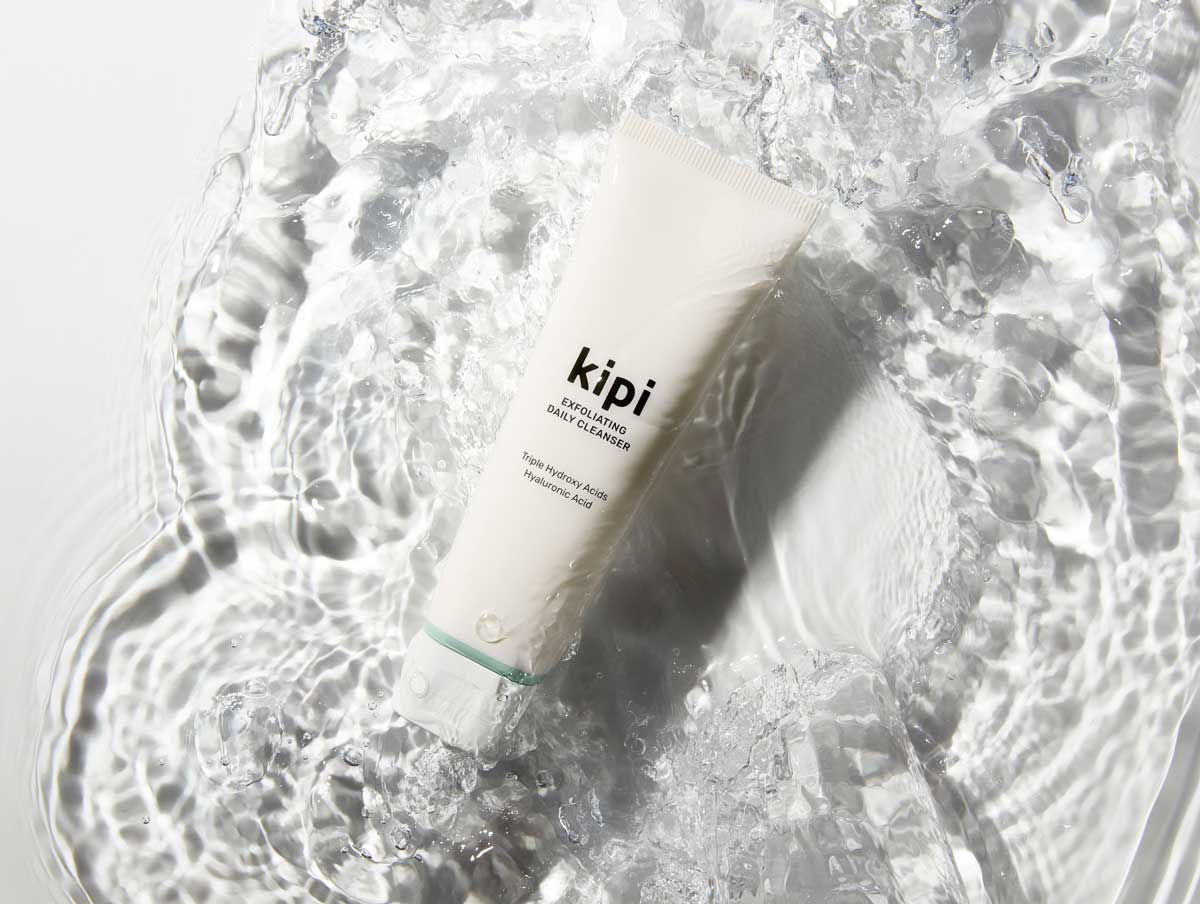
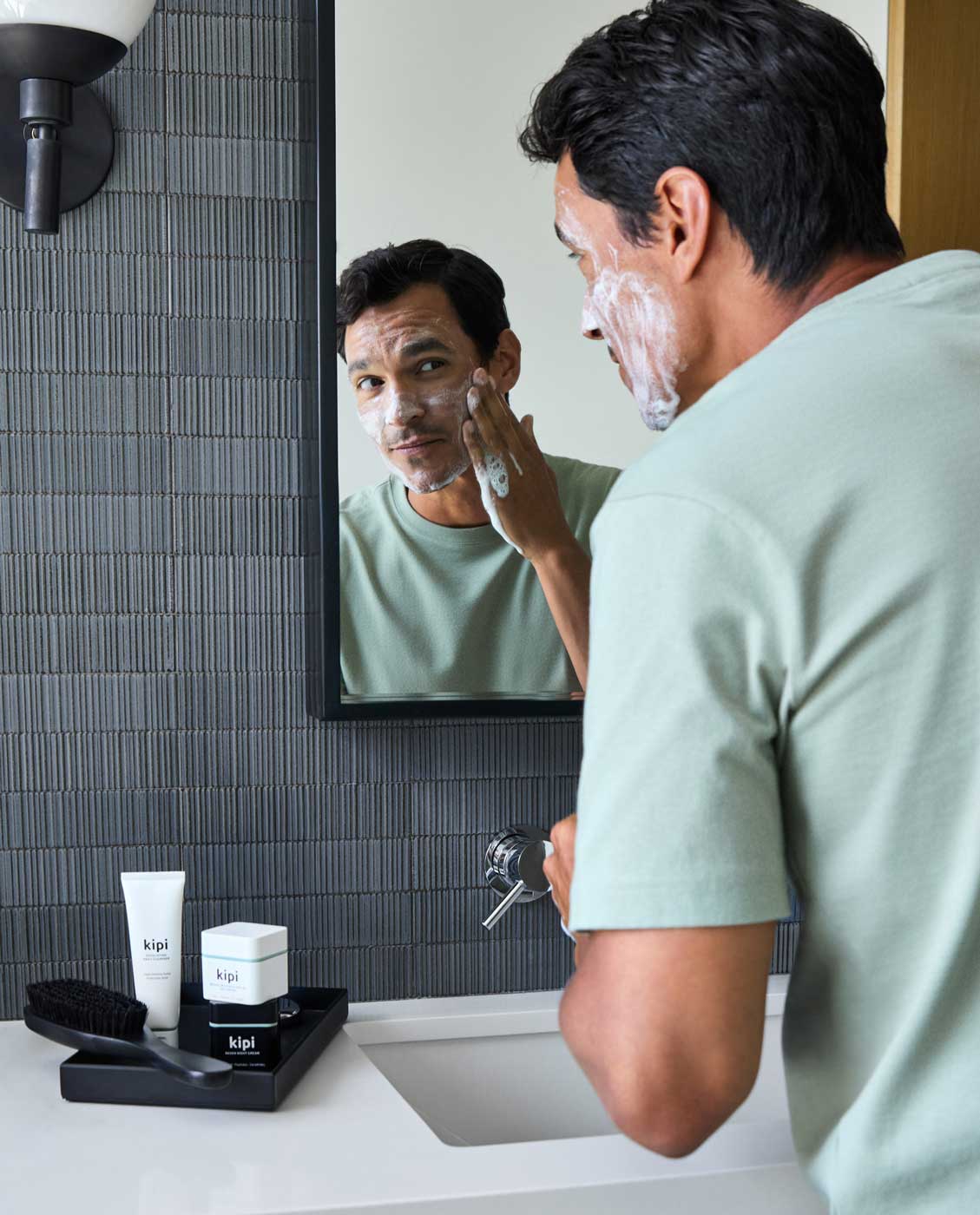
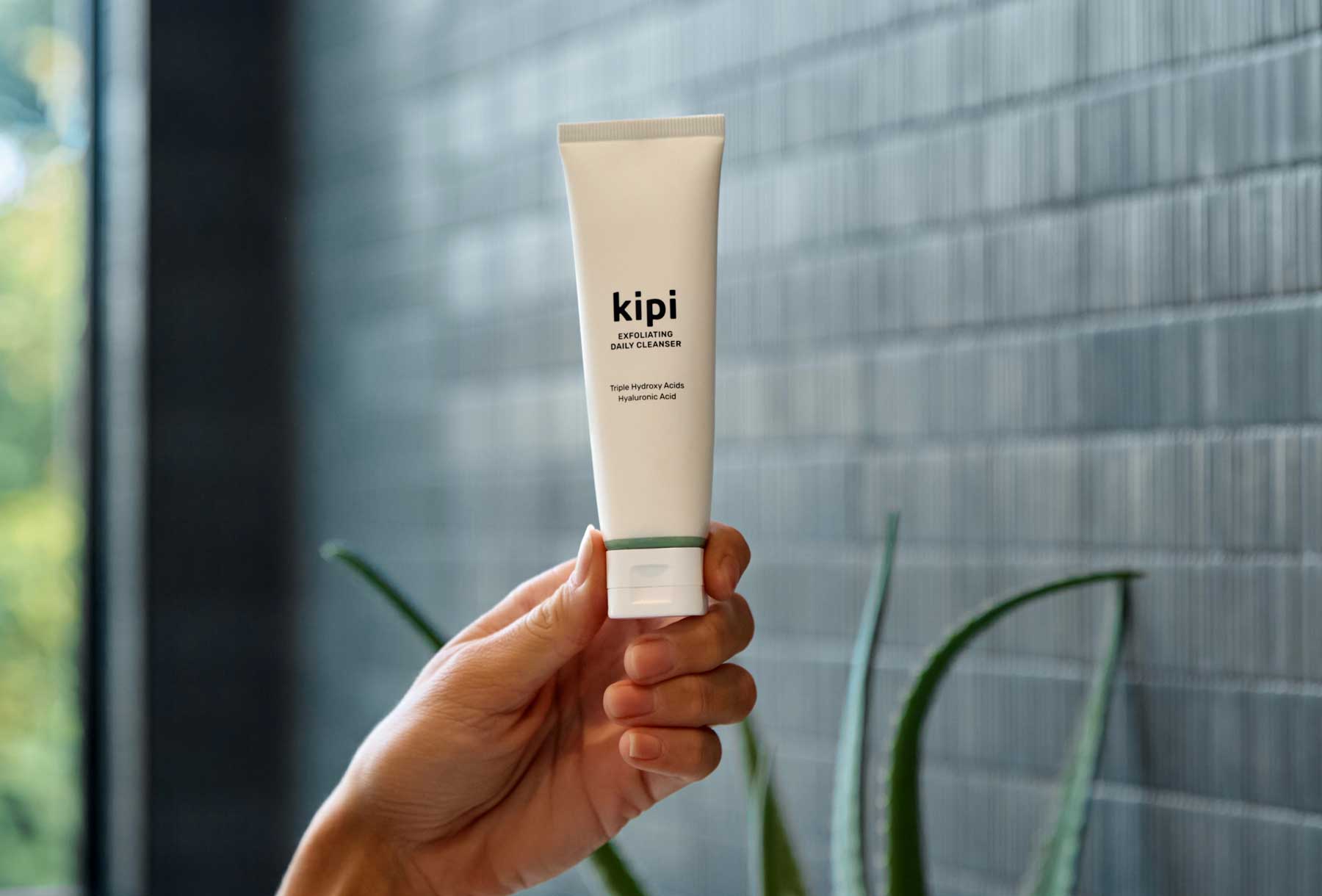
The oil removal market's explosive growth—from $4.7 billion to a projected $10.3 billion by 2034—validates consumer demand for science-backed solutions that balance effective sebum control with skin barrier protection. Kipi's Exfoliating Daily Cleanser addresses this market opportunity directly through triple-action hydroxy acids (1% alpha-hydroxy acid complex, 0.4% beta-hydroxy acid, 1% gluconolactone) that lift excess oil while charged hyaluronic acid delivers essential hydration. This multifunctional approach aligns with the dominant market trends identified in this analysis: oil-free formulations commanding over 50% market share, cleansers representing 38-47% of oil control products, chemical exfoliants dominating consumer preferences, and e-commerce growth exceeding 9% CAGR. As approximately 85% of people aged 12-24 experience acne and 50 million Americans manage oily skin annually, Kipi's pH-balanced, vegan, and cruelty-free formulation meets both the clinical efficacy standards that drive purchasing decisions and the ethical commitments that build brand loyalty in this $10+ billion category.
Frequently Asked Questions
What is driving the oily skin control products market's rapid growth?
The oily skin control products market expands at 8.2% annually through 2034, reaching projected valuations of $10.3 billion, driven by acne prevalence affecting approximately 85% of people aged 12-24, increasing awareness of proper sebum management, rising disposable incomes enabling premium product purchases, and innovation in science-backed formulations combining oil absorption with hydration benefits.
Why do cleansers dominate the oil-control product category?
Cleansers capture an estimated 38-47% of oily skin control product revenue because daily cleansing represents the foundational step for managing excess oil. Consumers recognize that effective oil removal begins with proper cleansing rather than supplementary treatments, creating demand for multifunctional cleansers delivering exfoliation, purification, and hydration in single applications like Kipi's approach to cleansing and hydration.
How important are oil-free claims to consumers?
Oil-free formulations command over 50% market share, establishing this positioning as the most critical product attribute for oil-prone consumers. The dominance reflects consumer understanding that adding oil to already oily skin proves counterproductive, validating lightweight formulations that remove excess sebum without introducing additional oils that could exacerbate shine and breakouts.
What role does e-commerce play in oil-control product distribution?
E-commerce channels capture approximately 28-33% of oily skin control product sales and post the highest growth rates at around 9-10% CAGR through 2030, enabling brands to educate consumers about active ingredients, provide transparent formulation disclosure, and build subscription relationships. Online distribution particularly favors brands offering subscribe and save models with auto-delivery that simplifies replenishment.
Which demographics drive oily skin control product demand?
Teenagers and young adults represent an estimated 46% of the market, with around 85% of people aged 12-24 experiencing acne driven by excess sebum production. However, men's oil-control products grow fastest at approximately 8.7% CAGR, while adult women experiencing hormonal acne represent another significant segment, indicating demographic expansion beyond traditional acne-prone youth segments toward broader oil-management consumer bases.k