Building an effective skincare routine doesn't have to be complicated—even celebrities like Simone Ashley understand the power of simplicity and science-backed products. The "Bridgerton" star has shared in interviews that her approach centers on consistency and minimal, multifunctional products rather than elaborate 10-step routines. Ashley emphasizes thorough cleansing, targeted hydration, and daily sun protection—principles that align with dermatological best practices.
The foundation of any routine involves consistent cleansing, targeted treatment, and protection, with about 74% of adults reporting they maintain a regular skincare regimen. Whether you're aiming for glowing skin or managing specific concerns like oiliness or dryness, understanding the core principles behind effective routines can transform your approach. The key lies in choosing multifunctional, science-backed products that deliver results without unnecessary complexity.
Building a routine inspired by effective celebrity approaches means understanding what actually works. Clinical trials show improved hydration with proper moisturization, while consistent sunscreen use reduces aging signs by 24% compared to non-use (Green AC, et al. Ann Intern Med. 2013). The science is clear: simple, consistent routines built on proven ingredients deliver visible results.

Key Takeaways
-
Effective skincare routines balance cleansing, treatment, and protection—with most improvements visible after 4-12 weeks of consistent use
-
Triple-action exfoliation combined with hydration addresses multiple skin concerns in one step, eliminating routine complexity
-
Board-certified dermatologists recommend daily use of broad-spectrum SPF 30+ for all skin types as the most effective anti-aging measure
-
Personalization based on skin type (oily, dry, combination) maximizes benefits and minimizes irritation
-
Quality ingredients with documented percentages and clinical backing outperform marketing hype
-
Starting with simplified, multifunctional products reduces the risk of over-layering and saves time
The Foundation of an Effective Daily Skin Care Routine
A skincare routine is a daily regimen involving a sequence of products and practices—cleansing, moisturizing, sunscreen application, and targeted treatments—designed to promote skin health, appearance, and comfort. Understanding this foundation helps explain why streamlined approaches work better than complicated multi-step systems.
The core mechanisms behind effective routines include cleansing to remove debris and excess oil, moisturizing to replenish hydration, and protecting against sun damage with SPF. Ingredients like hyaluronic acid, niacinamide, and retinol target specific concerns including dryness, pigmentation, and aging by working at the cellular level.
Modern skincare increasingly focuses on personalization, responding to individual skin types (oily, dry, combination), specific conditions (acne, sensitivity), and cultural trends. This context encourages users to adapt celebrity routines to their unique needs rather than following them blindly.
Morning vs. Evening Routines: What Changes
Morning routines prioritize protection and light hydration. The essential steps include gentle cleansing to remove overnight oils, lightweight moisturizer, and mandatory SPF application.
Evening routines focus on repair and treatment. Double cleansing removes makeup and daily buildup, followed by active ingredients that work during overnight cell regeneration. Heavier moisturizers support the skin barrier during its resting phase.
The key difference lies in sun protection—SPF is non-negotiable in the morning but unnecessary at night. Active treatments like retinol or stronger acids are best reserved for evening use when UV exposure won't interfere.
The Science Behind Routine Consistency
Consistency matters more than product quantity. Clinical adherence studies show that participants who stick to simplified routines over 3 months maintain better results.
Skin cell turnover in adults averages 28-40 days and lengthens with age, which explains why most skincare improvements become visible after 4-12 weeks of consistent application. Skipping days or constantly switching products interrupts this natural cycle.
Building habit patterns around existing routines—brushing teeth, showering—increases long-term adherence. Starting with one-step skincare reduces friction and makes consistency achievable.
Essential Skincare Routine Steps for Glowing Skin
Breaking down an effective routine into clear steps removes guesswork. Each step serves a distinct function, and understanding the sequence maximizes product absorption and efficacy.
Step 1: Cleansing to Remove Impurities
Cleansing removes dirt, excess oil, makeup, and environmental pollutants that accumulate throughout the day. Without proper cleansing, subsequent products can't penetrate effectively, and pores become clogged.
The ideal cleanser maintains skin's natural pH (4.5-5.5) while removing impurities without stripping moisture. Harsh cleansers that leave skin tight or squeaky actually compromise the barrier function.
Effective cleansing delivers:
-
Removal of surface debris and excess sebum
-
Preparation for treatment product absorption
-
Balanced hydration without residue
-
Pore refinement through gentle exfoliation
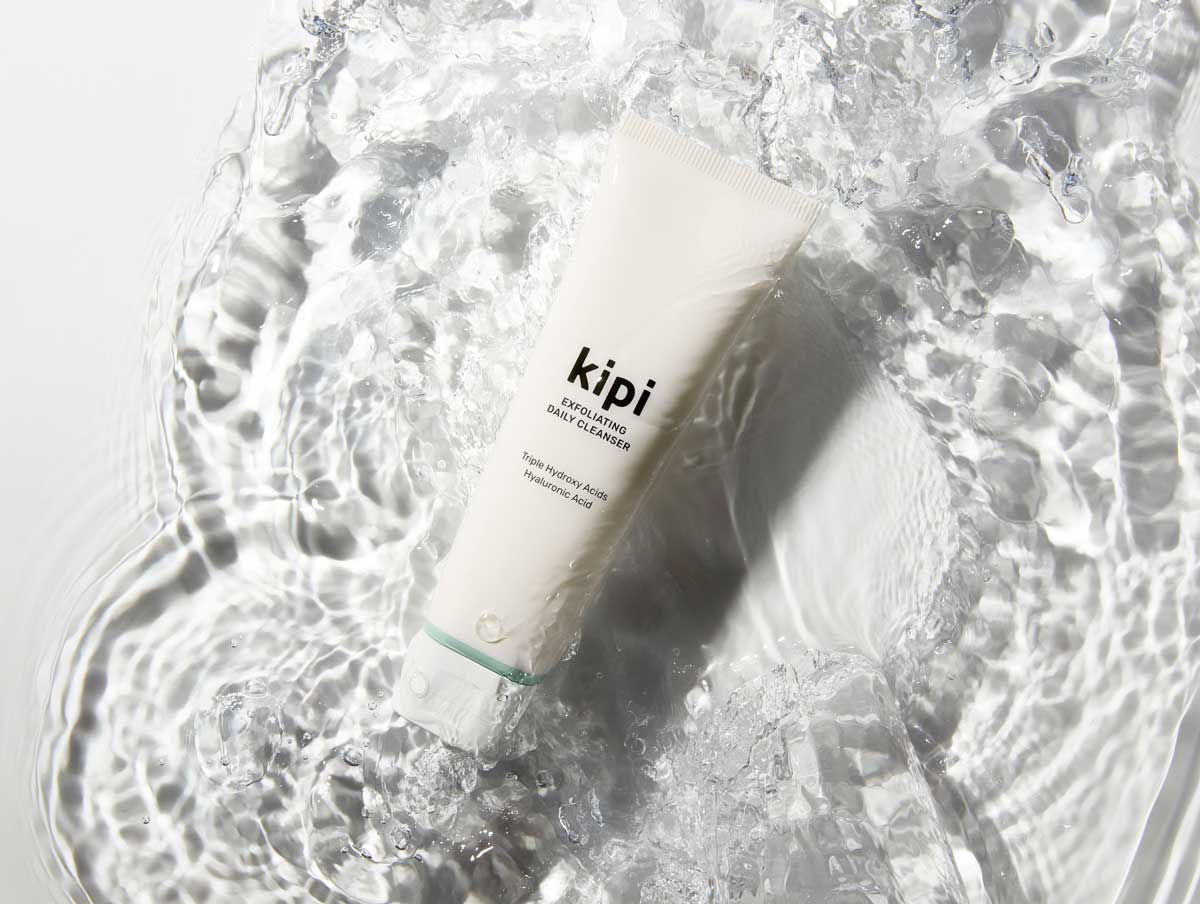
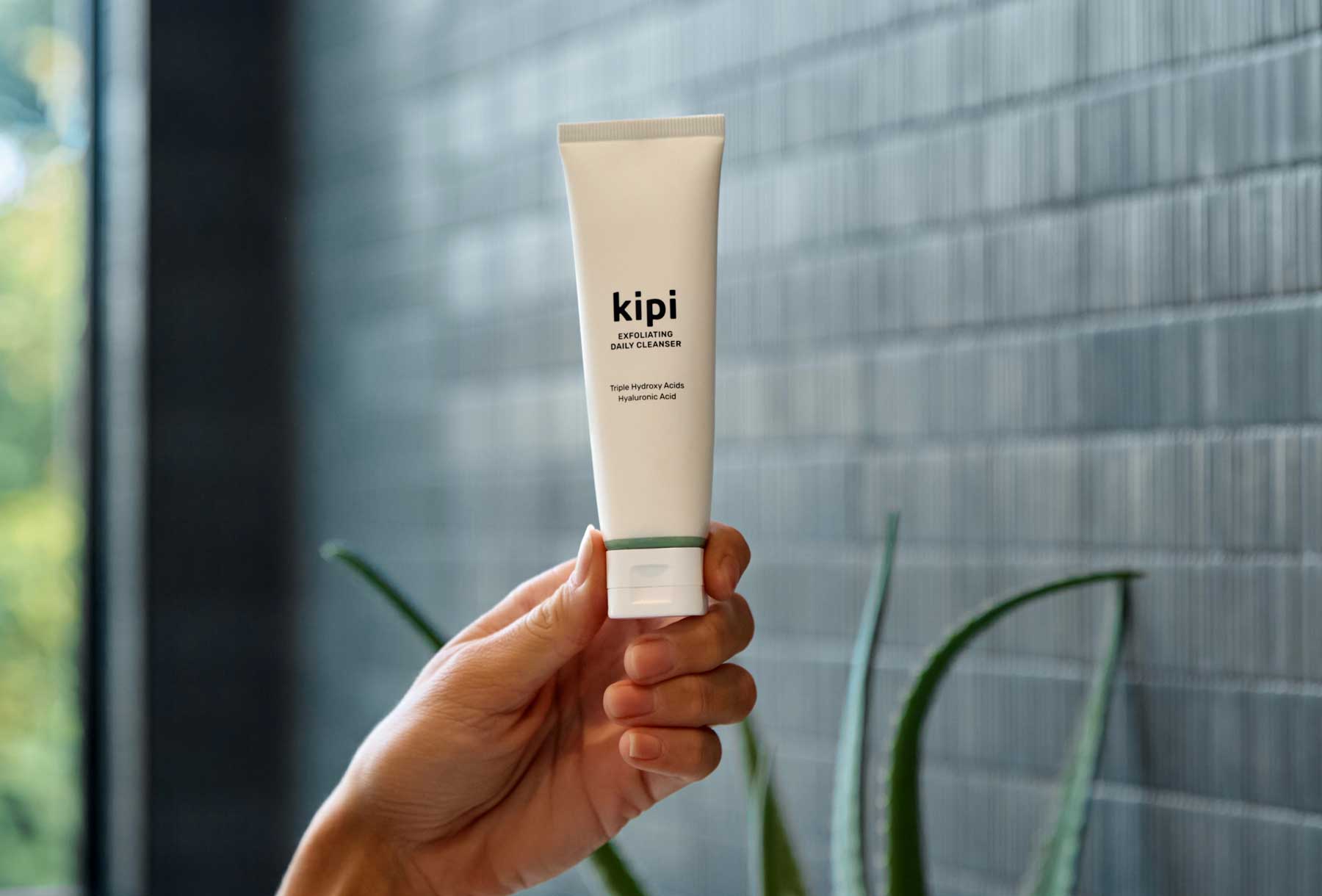
The Kipi Exfoliating Daily Cleanser combines triple-action hydroxy acids (2.4%, according to the brand) to exfoliate while charged hyaluronic acid (0.1%) hydrates—completing cleanse, exfoliate, and hydrate in one step for both morning and night use.
For those seeking healthier skin daily, this approach eliminates the need for separate exfoliants or toners while maintaining pH balance.
Step 2: Treatment and Serums
Treatment products contain concentrated active ingredients targeting specific concerns—pigmentation, fine lines, acne, or texture. These lightweight formulations absorb quickly and work at the cellular level.
Common active ingredients include vitamin C for brightening, niacinamide for barrier support, and retinol for cell turnover. Each requires consistent use over 8-12 weeks for noticeable results.
Layering order matters: apply thinnest to thickest consistency, allowing 30-60 seconds between products for proper absorption. Mixing incompatible actives can cause irritation or reduce efficacy.
Step 3: Moisturization and Protection
Moisturizers seal in hydration and support the skin barrier through emollients, humectants, and occlusives. This step is essential even for oily skin types, which often overproduce oil when dehydrated.
Daytime moisturizers should be lightweight and layer well under SPF. Evening formulations can be richer, supporting overnight repair processes.
Daily broad-spectrum sunscreen is emphasized by dermatology organizations as a cornerstone of photoaging prevention. Daily application reduces visible aging signs by 24% and protects against both UVA and UVB damage.
Adapting Skincare Routines for Men's Specific Needs
Men's skin has distinct characteristics requiring targeted care. Male skin is approximately 25% thicker with higher collagen density, with larger pores and higher sebum production differentiating it from female skin.
Shaving adds another variable—razor friction disrupts the barrier and increases sensitivity. Post-shave products need soothing ingredients without heavy fragrances.
Why Men's Skin Needs Targeted Care
Male skin is approximately 25% thicker with higher collagen density. This thickness delays visible aging but doesn't eliminate the need for protection and maintenance.
Testosterone drives higher sebum production, making men more prone to oily skin and enlarged pores. Yet many skip proper cleansing, allowing buildup and congestion.
Shaving removes the top layer of skin cells along with hair, effectively providing daily exfoliation—but also increasing sensitivity and irritation risk.
Streamlining a 3-Step Routine
Simplified routines work better for users seeking efficiency. The three-step approach—cleanse, treat, protect—covers essentials without overwhelming complexity.
Multifunctional products eliminate redundancy. One cleanser that exfoliates and hydrates replaces three separate products, saving time and money.
Streamlined routine benefits:
-
2-5 minutes total application time
-
Fewer products to purchase and store
-
Consistent results without guesswork
-
TSA-friendly travel options
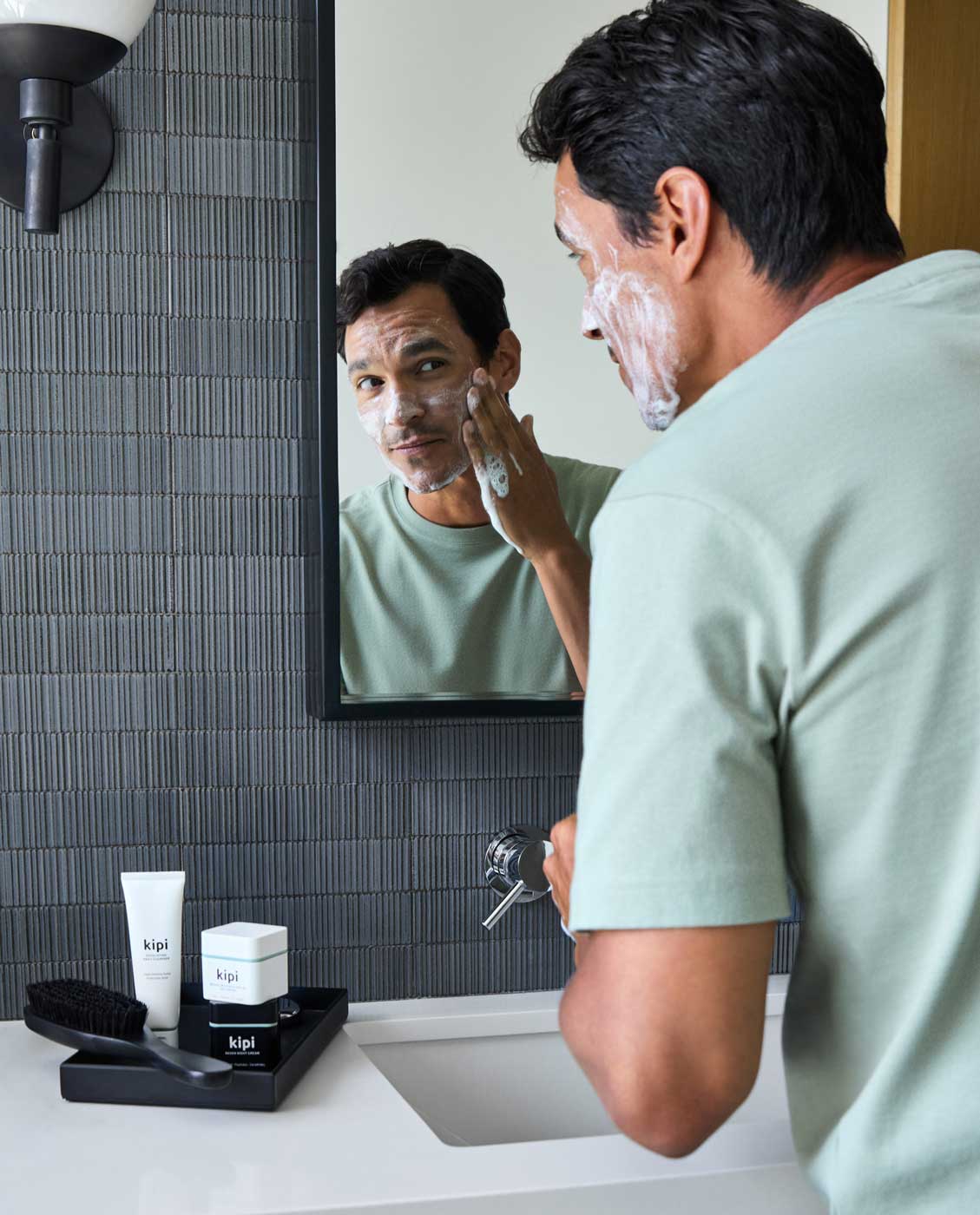
The Kipi Exfoliating Daily Cleanser offers a multifunctional formula that exfoliates, removes impurities, and hydrates in one step with a natural citrus-herb fragrance—suitable for all skin types including post-shave use.
For comprehensive guidance, review how to cleanse and hydrate men's skin effectively without over-complicating the routine.
How to Make Your Skin Glow Naturally at Home
Radiant skin reflects light evenly due to smooth texture and adequate hydration. Achieving this glow requires consistent exfoliation, moisture balance, and barrier support.
Dullness results from dead skin cell buildup, dehydration, and uneven texture. Addressing these factors through proper routine steps reveals the vibrant complexion underneath.
The Role of Exfoliation in Achieving Radiance
Exfoliation removes the dull, lifeless surface layer, revealing fresher cells beneath. Cell turnover slows with age, making regular exfoliation increasingly important for maintaining radiance.
Chemical exfoliants (AHAs, BHAs, PHAs) work more effectively than physical scrubs, dissolving bonds between dead cells without causing micro-tears. Different acids target different concerns.
Frequency matters—daily gentle exfoliation works better than weekly aggressive treatments. Consistent low-level exfoliation maintains smooth texture without irritation.
Natural vs. Chemical Exfoliants
Natural AHAs from fruit extracts (citrus, papaya) provide gentle exfoliation suitable for sensitive skin. These naturally occurring acids brighten complexion while supporting barrier function.
Synthetic acids offer more precise concentrations and pH control. This predictability ensures consistent results and reduces the risk of variable potency. Lower pH generally enhances acid exfoliant efficacy, though optimal ranges vary by formulation.
Polyhydroxy acids (PHAs) like gluconolactone exfoliate while hydrating, making them ideal for dry or sensitive skin requiring gentle renewal.
Exfoliation benefits for glowing skin:
-
Removal of dull surface cells
-
Improved product absorption
-
Even skin tone and texture
-
Enhanced light reflection for radiance
The Kipi Exfoliating Daily Cleanser features Alpha-Hydroxy Acid Complex (1%, according to the brand) from citrus fruit extract to brighten complexion while triple-action acids break down dull surface layers, revealing refreshed, vibrant skin—gentle enough for daily use.
Understanding skin texture smoothing through consistent exfoliation helps set realistic expectations for visible improvements.
Essential Skincare Tips for Maintaining Healthy Skin
Beyond product selection, daily habits significantly impact skin health. Consistency, proper application, and lifestyle factors work together for optimal results.
Daily Habits That Support Skin Health
Hydration starts internally—drinking adequate water supports skin moisture from within. While topical products help, systemic hydration provides the foundation.
Sleep quality affects cell repair and regeneration. During deep sleep, growth hormone peaks, driving skin repair processes that maintain a healthy appearance.
Diet impacts skin health through antioxidants, essential fatty acids, and vitamins. Processed foods and high glycemic loads can trigger inflammation and exacerbate conditions like acne.
Supportive daily practices:
-
Consistent application timing
-
Clean applicator tools weekly
-
Lukewarm water for cleansing
-
Pat dry technique (no rubbing)
-
SPF reapplication every 2 hours when outdoors
When to Adjust Your Routine
Seasonal changes affect skin needs. Winter requires richer moisturizers and gentler exfoliation, while summer demands lightweight formulas and increased SPF vigilance.
Persistent irritation, worsening conditions, or no improvement after 3 months signal the need for professional consultation or routine adjustment.
New concerns—sudden breakouts, sensitivity, or unusual texture changes—warrant immediate evaluation rather than adding more products randomly.
For those experiencing sensitivity, explore exfoliating sensitive skin approaches that balance renewal with gentleness.
Night Skin Care Routine Steps for Skin Renewal
Evening routines prepare skin for overnight repair processes. During sleep, cellular renewal accelerates, making night the optimal time for treatment products.
Cell regeneration peaks during deep sleep phases, with growth hormone driving repair mechanisms that maintain skin health and appearance.
Why Nighttime Routines Differ from Morning
Without UV exposure concerns, stronger actives can be applied safely. Retinoids, higher-concentration acids, and other treatments work undisturbed during overnight hours.
Makeup and daily buildup require thorough removal before treatment application. Double cleansing—oil cleanser followed by water-based cleanser—ensures complete purification.
Overnight products can be richer and more occlusive since they won't interfere with makeup application or SPF layering. This allows deeper barrier support and moisture retention.
Maximizing Overnight Skin Recovery
Treatment absorption improves when skin is slightly damp. Apply leave-on products while skin is slightly damp to enhance hydration.
Silk or satin pillowcases may help reduce friction on delicate skin, though clinical evidence is limited. These fabrics create less compression than cotton during sleep.
Humidifiers maintain ambient moisture, preventing overnight dehydration—particularly important in climate-controlled environments or dry climates.
The Kipi Exfoliating Daily Cleanser with triple-action hydroxy acids prepares skin for overnight treatment absorption by removing impurities and gently exfoliating—formulated at skin's natural pH (4.5-5.5, according to the brand) for both morning and night use.
For data on effective routines, review comprehensive skincare routine statistics that demonstrate evidence-based approaches.
Frequently Asked Questions
How long should I wait between applying different skincare products?
Wait 30-60 seconds between layers to allow proper absorption and prevent pilling. Thinner serums absorb quickly; thicker moisturizers need slightly more time. Always apply sunscreen last in morning routines, waiting at least 60 seconds after moisturizer.
Can I use the same products on my face and neck?
Yes, absolutely. The neck shows aging signs earlier due to thinner skin. Dermatologists recommend extending all products—cleanser, treatments, moisturizer, and SPF—down the neck and décolletage using upward motions.
What should I do if my skin reacts badly to a new product?
Stop using it immediately and return to your previous routine. Rinse with lukewarm water and apply fragrance-free moisturizer. If symptoms persist beyond 48 hours or worsen, consult a dermatologist. Patch-test new products first.
Do I need different skincare routines for different seasons?
Yes, seasonal adjustments optimize results. Winter requires richer moisturizers; summer demands lightweight formulas and increased SPF vigilance. Core ingredients like hyaluronic acid work year-round. Monitor your skin's response and adjust hydration as needed.
Can I skip sunscreen on cloudy days or when staying indoors?
No. Up to 80% of UV rays penetrate clouds, and UVA rays pass through windows. Daily SPF application provides consistent protection and prevents gaps in coverage that accelerate aging.