When it comes to celebrity skincare, Selena Gomez’s routine has captivated 45.2 million TikTok followers with an unconventional mix of luxury serums and drugstore staples, built around a 7-step regimen influenced by her lupus diagnosis. Her makeup artist emphasizes that regular, gentle exfoliation using chemical and enzymatic formulas—never harsh physical scrubs—plus layered hydration is key to her glow. This philosophy aligns with science-backed, multifunctional exfoliating cleansers that pair mild acids with hydrating ingredients to deeply cleanse, support the skin barrier, and replicate her results more affordably.
Key Takeaways
-
Selena Gomez's routine prioritizes gentle exfoliation regularly using chemical acids and enzymes rather than harsh scrubs
-
Her unconventional triple-cleanse method (serum, micellar water, then cleanser) prevents over-stripping while ensuring thorough makeup removal
-
Hydration layering through multiple products works best after proper exfoliation, which increases product absorption
-
Her lupus diagnosis requires fragrance-free, non-irritating formulations with consistent SPF protection—considerations relevant to the 10% of Americans with disabilities who have invisible illnesses
-
The mix of luxury items and affordable drugstore products proves accessible skincare can deliver red-carpet results
-
Strategic use of K-beauty products for her 2025 Emmy Awards cost just $69 for the entire routine

Building a Daily Skin Care Routine for Glowing Skin
Achieving radiant, glowing skin requires consistent habits that support your skin barrier while promoting cellular turnover. The coveted "glass skin" effect popularized through K-beauty relies on strategic hydration combined with gentle exfoliation.
Key Ingredients for Luminous Skin
Certain ingredients consistently deliver visible radiance when used correctly. Hyaluronic acid draws moisture into skin, while chemical exfoliants remove the dull surface layer that masks natural glow.
Proven radiance-boosting ingredients:
-
Alpha-hydroxy acids (AHAs) – Glycolic and lactic acids brighten and smooth
-
Beta-hydroxy acids (BHAs) – Salicylic acid refines pores and clears debris
-
Hyaluronic acid – Binds water for plump, dewy appearance
-
Vitamin C – Brightens and protects against environmental damage
-
Niacinamide – Reduces inflammation and evens tone
-
Ceramides – Strengthen barrier for healthy, resilient glow
For her 2025 Emmy Awards, Selena's makeup artist used a complete Mixsoon K-beauty routine totaling just $69. The lineup included Bean Cleansing Oil at $16, Centella Asiatica Toner at $17, Bean Essence at $13.78, and Bean Cream at $23.04—all focused on fermented ingredients for achieving glass skin.
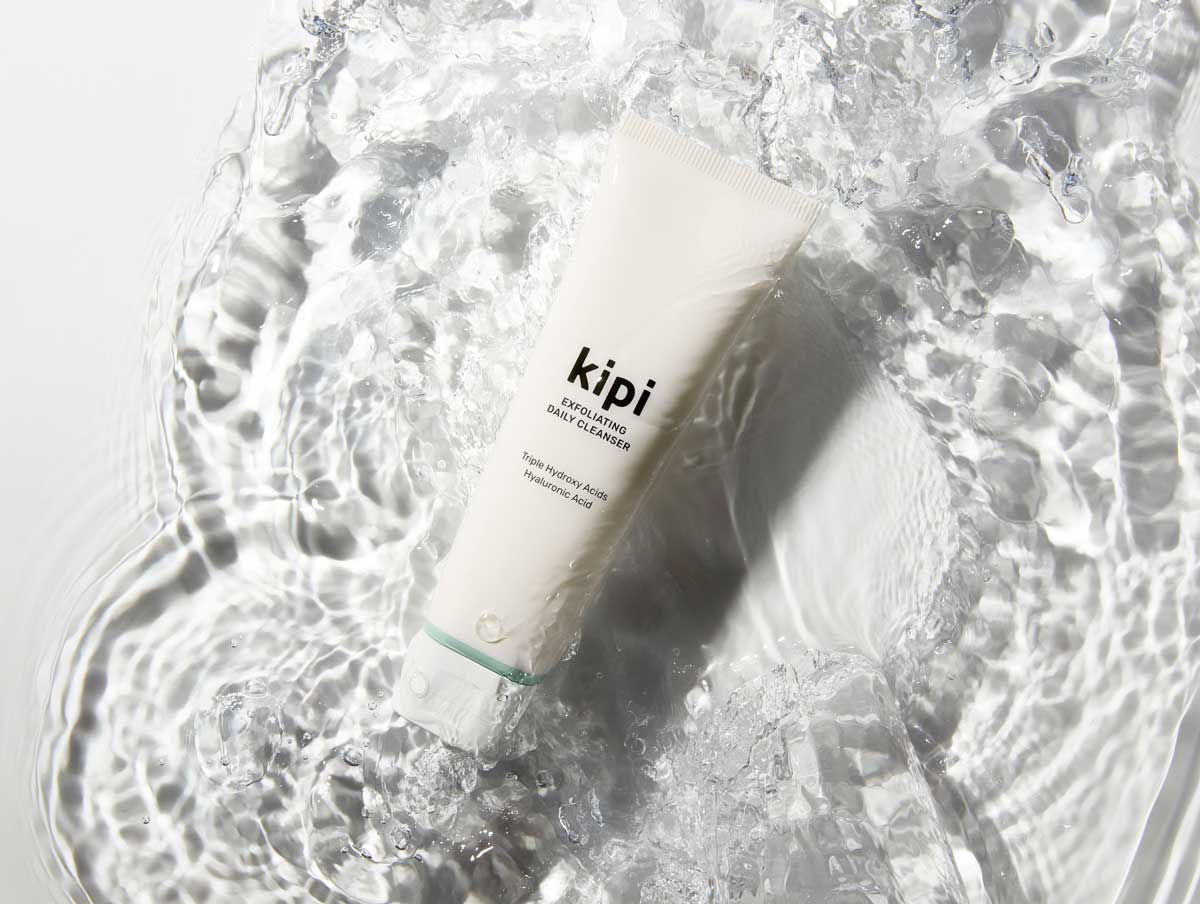
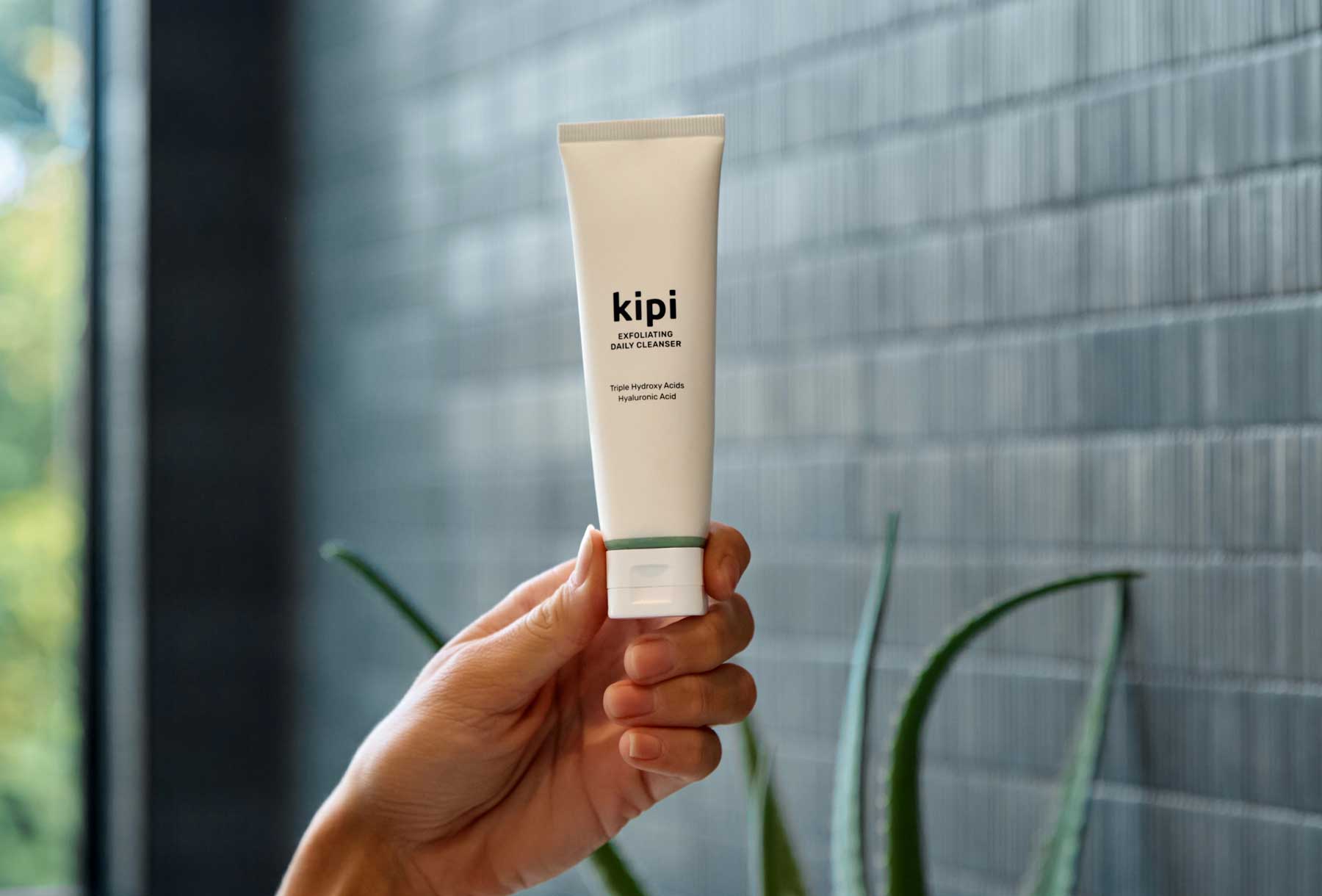
The Kipi Exfoliating Daily Cleanser delivers a similar multi-benefit approach through its triple-action hydroxy acid blend: 1% alpha-hydroxy acid complex from citrus fruit extracts, 0.4% beta-hydroxy acid (salicylic acid), and 1% gluconolactone (polyhydroxy acid). Combined with 0.1% charged hyaluronic acid for lasting hydration, this pH-balanced formula creates the foundation for glowing skin. Vegan, cruelty-free, and sulfate-free, it ships in 1-2 business days with free returns.
How Long Before You See Results
Skin cell turnover cycles determine when visible improvements appear. Most people notice initial changes within days, with more dramatic results emerging over weeks.
Realistic timeline for common goals:
-
Immediate (1-3 days) – Better hydration, softer texture, reduced tightness
-
Week 1-2 – Subtle brightening, smoother surface, fewer dry patches
-
Weeks 3-4 – Visible glow, improved texture, more even tone
-
Months 2-3 – Reduced fine lines, clearer pores, sustained radiance
Selena's makeup artist emphasizes that taking extra time for skincare makes the biggest difference in makeup application and overall appearance. Consistency matters more than product cost—her routine mixes luxury items with Mario Badescu Facial Spray at around $9-14, proving accessible products deliver when used correctly.
Inside Selena Gomez's Approach to Skincare and Beauty
Selena Gomez built her beauty philosophy around authenticity and accessibility long before founding Rare Beauty. Her approach challenges traditional luxury beauty standards by demonstrating that effective skincare combines science-backed ingredients with practical, simplified routines.
The foundation of her skincare thinking stems from managing lupus, an autoimmune condition that makes her skin more sensitive to irritation and UV exposure. This medical reality shaped her preference for gentle formulations that deliver results without triggering inflammation or compromising her skin barrier.
The Philosophy Behind Rare Beauty
Rare Beauty emerged from Selena's belief that beauty products should enhance rather than mask natural features. The brand emphasizes mental health awareness and self-acceptance, with Soft Pinch Blush selling every 4 seconds globally and generating tens of millions of views on TikTok.
Her skincare choices reflect this same philosophy—products must be multifunctional, effective, and suitable for sensitive skin. She openly shares luxury and affordable options in her routine, validating that price doesn't always correlate with efficacy.
How Her Skincare Evolved Over the Years
Selena's routine has transformed significantly since her early career. Her 2014 Into The Gloss interview revealed a simpler approach using Clarisonic devices and basic moisturizers. By 2023, her routine expanded to include sophisticated chemical exfoliants, targeted serums, and strategic layering techniques.
The evolution reflects broader skincare trends toward understanding ingredient science rather than following marketing hype. Her current emphasis on gentle chemical exfoliation over physical scrubbing aligns with dermatological research showing chemical exfoliation delivers better, consistent and predictable results compared to manual scrubs.
Essential Skincare Routine Steps Everyone Should Follow
Building an effective skincare routine requires understanding the fundamental steps that work across all skin types. These foundational practices create the framework for addressing specific concerns while maintaining skin health.
Morning Skincare Routine Steps
Morning routines focus on protection and preparation for the day ahead. Start with gentle cleansing to remove overnight oil buildup and residual products from your evening routine.
Essential morning steps:
-
Cleansing – Remove excess oil and prepare skin for products
-
Exfoliation – Use gentle chemical exfoliants 2-3 times weekly (not daily)
-
Toning – Balance pH and prep for serum absorption
-
Serums – Apply active ingredients targeting specific concerns
-
Moisturizing – Lock in hydration with appropriate weight for your skin type
-
SPF Protection – Non-negotiable final step, minimum SPF 30
Selena uses Bioderma Sensibio H2O micellar water for gentle morning cleansing, followed by Dermalogica Multi-Active Toner at around $43 to prep her skin. For a simplified approach, a multifunctional exfoliating cleanser combines the first two steps—removing impurities while delivering gentle chemical exfoliation through triple-action hydroxy acids. This vegan, cruelty-free formula works for all skin types, morning and night.
Evening Skincare Routine Steps
Night routines emphasize repair and renewal while skin undergoes natural regeneration processes. This is when more intensive treatments and richer products work most effectively.
Core evening protocol:
-
Makeup removal – Thoroughly break down cosmetics and sunscreen
-
Deep cleansing – Remove remaining impurities and environmental debris
-
Exfoliation – Chemical exfoliants work overnight to renew skin
-
Treatment serums – Address specific concerns like texture or hydration
-
Moisturizer – Richer formulations support overnight barrier repair
-
Eye treatment – Target delicate periorbital area
Selena's unusual evening approach starts by using La Mer Concentrate serum at around $600 to break down makeup, though she notes "any serum works" for this technique. The oil-based method dissolves makeup gently before her second cleanse with iS Clinical Cleansing Complex at approximately $45-49.
The Correct Order for Applying Products
Product sequencing affects how well ingredients penetrate and work together. The general rule progresses from thinnest to thickest consistency, with some strategic exceptions.
Standard application sequence:
-
Water-based cleansers
-
Acid-based toners or exfoliants
-
Essence or hydrating toners
-
Serums (thinnest to thickest)
-
Eye treatments
-
Face oils
-
Moisturizers
-
SPF (morning only)
Interestingly, Selena applies La Mer Renewal Oil at around $295 before her moisturizers rather than after. This technique, confirmed by skincare experts, helps seal in active ingredients from earlier serum steps while the oil's fatty acids prepare skin for cream absorption.
Skincare Routine for Oily Skin: What Works Best
Managing oily skin requires balancing oil control with adequate hydration. Stripping skin too aggressively triggers increased sebum production, creating a counterproductive cycle.
Best Ingredients for Controlling Oil Production
Certain actives regulate sebum without compromising skin barrier function. Salicylic acid refines texture and dissolves the debris clogging pores, while lightweight hydrators prevent dehydration-induced oil rebound.
Effective oil-control ingredients:
-
Salicylic acid (BHA) – Dissolves excess oil and clears pores
-
Niacinamide – Regulates sebum production and minimizes pores
-
Clay-based masks – Absorb surface oil without over-drying
-
Lightweight hyaluronic acid – Hydrates without heaviness
-
Zinc – Reduces inflammation and controls oil
Selena manages her combination skin with Neutrogena Hydro Boost Exfoliating Cleanser, which includes hyaluronic acid for hydration alongside gentle exfoliation. This demonstrates the importance of maintaining moisture even when controlling oil.
An exfoliating cleanser for oily skin should include beta-hydroxy acids to penetrate oil-filled pores while supporting the moisture barrier. The Kipi Exfoliating Daily Cleanser contains 0.4% salicylic acid to refine texture and remove debris, balanced with charged hyaluronic acid and Pro-vitamin B5 to prevent the tightness that signals over-drying.
Common Mistakes with Oily Skin
Many people with oily skin damage their barrier through over-cleansing or using harsh astringents. These mistakes typically worsen oil production rather than controlling it.
Frequent oily skin errors:
-
Over-washing – Cleansing more than twice daily strips protective oils
-
Skipping moisturizer – Dehydration triggers compensatory oil production
-
Harsh physical scrubs – Damage barrier and increase inflammation
-
Alcohol-based toners – Temporarily mattify but cause long-term problems
-
Heavy matte products – Clog pores despite oil-free claims
Selena's combination skin routine avoids these pitfalls by using gentle cleansers and layering lightweight hydrating products rather than skipping moisture altogether. Even with her T-zone concerns, she applies multiple hydrating layers after proper exfoliation.
Skincare Routine for Dry Skin: Hydration Essentials
Dry skin requires intensive moisture support and barrier repair. The goal is locking in hydration while preventing transepidermal water loss that leaves skin tight and flaky.
How to Lock in Moisture All Day
Effective hydration combines humectants that draw water into skin with occlusives that prevent moisture escape. Layering these ingredient types creates lasting comfort.
Hydration strategy components:
-
Humectants – Hyaluronic acid, glycerin, panthenol draw water into skin
-
Emollients – Fill spaces between skin cells for smoothness
-
Occlusives – Create protective seal to prevent water evaporation
-
Barrier repair – Ceramides and fatty acids rebuild protective layer
Selena's hydration approach layers multiple products rather than relying on a single heavy cream. Her routine includes Tatcha Water Cream at around $72 for lightweight hydration followed by Laneige Radian-C Cream at approximately $35 for vitamin C benefits and additional moisture.
Layering Products for Maximum Hydration
Product sequencing affects how well moisture penetrates and stays locked in throughout the day. The proper order ensures each layer enhances the next.
Optimal layering sequence for dry skin:
-
Gentle cleansing without stripping
-
Hydrating toner or essence
-
Serum with active ingredients
-
Face oil (before or after moisturizer depending on product)
-
Rich moisturizer
-
SPF during day
The Kipi Exfoliating Daily Cleanser addresses the first crucial step for dry skin—cleansing without stripping moisture. Its charged hyaluronic acid delivers lasting hydration even after rinsing, while 1% Pro-vitamin B5 (DL-Panthenol) soothes skin and supports barrier function. The rich, creamy formula rinses clean without residue or tightness, preventing the dry, tight feeling that signals moisture loss.
Best Skin Care Products: What to Look For
Selecting effective skincare requires understanding ingredient quality, formulation science, and credible certifications. The market's overwhelming product volume makes educated selection crucial.
Dermatologist-Recommended Ingredients
Clinical research identifies specific ingredients with proven efficacy. Products containing these actives at appropriate concentrations deliver consistent results.
Science-backed active ingredients:
-
Retinoids – Vitamin A derivatives for cell turnover and collagen
-
Vitamin C – Antioxidant protection and brightening
-
Chemical exfoliants – AHAs, BHAs, PHAs for controlled renewal
-
Peptides – Signal molecules supporting collagen production
-
Ceramides – Lipids essential for barrier function
-
Sunscreen actives – Broad-spectrum UV protection (mineral or chemical)
Selena uses Dermalogica Dynamic Skin Retinol Serum at around $92 for cell renewal and Dermalogica Smart Response Serum at approximately $145 for responsive treatment. These dermatologist-developed formulas represent the clinical approach to active ingredients.
How to Read a Skincare Label
Understanding ingredient lists helps identify quality formulations. Ingredients appear in descending concentration order, with the first five typically comprising most of the formula.
Label reading essentials:
-
Active ingredients – Should be listed with concentrations when possible
-
Order matters – Earlier placement indicates higher concentration
-
Preservatives – Necessary for product safety and stability
-
Fragrance – Listed as "fragrance," "parfum," or specific essential oils
-
Functional ingredients – Humectants, emollients, occlusives provide benefits
-
Filler ingredients – Water, thickeners provide texture but minimal benefits
Products should clearly state active percentages when those ingredients drive efficacy. The Kipi Exfoliating Daily Cleanser transparently lists its active concentrations: 1% alpha-hydroxy acid complex, 0.4% beta-hydroxy acid complex, 1% gluconolactone, 1% DL-Panthenol, and 0.1% charged hyaluronic acid. This transparency allows informed decisions about ingredient strength.
Certifications That Matter
Third-party certifications validate product claims and manufacturing standards. These badges indicate tested safety and ethical practices.
Meaningful certifications:
-
Cruelty-free – No animal testing at any production stage
-
Vegan – No animal-derived ingredients
-
Clean beauty – Varies by certifier but typically excludes controversial ingredients
-
Dermatologist-tested – Evaluated for skin safety and tolerance
-
Hypoallergenic – Formulated to minimize allergic reactions
-
Non-comedogenic – Tested not to clog pores
Selena's lupus requires extra attention to fragrance-free and non-irritating formulations that won't trigger her immune system. About 10% of Americans have invisible illnesses affecting skincare tolerance, making gentle certifications increasingly relevant.
How to Create Your Complete Skin Care Products List
Building a comprehensive yet streamlined product arsenal requires identifying essential categories and optional add-ons based on your specific concerns.
Non-Negotiable Products for Every Routine
Certain products form the foundation regardless of skin type or concerns. These essentials address universal needs for cleansing, protection, and basic maintenance.
Must-have core products:
-
Gentle cleanser – Daily removal of impurities without stripping
-
Moisturizer – Hydration and barrier support
-
Broad-spectrum SPF – Minimum SPF 30 for daily protection
-
Exfoliant – Chemical or enzymatic, 2-5 times weekly
These four categories cover the fundamental requirements for healthy skin function. Selena's combination skin routine includes all these essentials despite adding multiple optional treatments.
For sensitive skin concerns, choosing a cleanser that combines exfoliation with hydration eliminates the need for separate products. The Kipi Exfoliating Daily Cleanser serves as both daily cleanser and exfoliant, reducing product count while maintaining efficacy. Its pH-balanced formula at 4.5-5.5 matches skin's natural pH, preventing the disruption that triggers sensitivity.
Optional Add-Ons for Specific Concerns
Targeted treatments address individual skin issues beyond basic maintenance. Add these based on your unique needs and concerns.
Concern-specific additions:
-
Vitamin C serum – Brightening and environmental protection
-
Retinol – Anti-aging and texture improvement
-
Niacinamide – Oil control and pore refinement
-
Eye cream – Delicate periorbital support
-
Face mask – Weekly intensive treatment
-
Facial oil – Extra barrier support for dry skin
Selena layers multiple serums and treatments. However, she balances luxury items with accessible options, proving you can customize effectively at various price points.
Makeup Routine: Preparing Your Skin for Flawless Application
Proper skincare creates the canvas for makeup to apply smoothly and last longer. The time between skincare and makeup application affects how products interact.
How to Apply Makeup Step by Step After Skincare
Makeup applies best on properly prepped skin with adequate absorption time for skincare products. Rushing this process causes pilling, uneven application, and reduced wear time.
Pre-makeup skincare sequence:
-
Cleanse – Remove overnight products and excess oil
-
Exfoliate – 2-3 times weekly for smooth texture
-
Tone – Balance pH and prep for absorption
-
Serum – Targeted treatment in thin layers
-
Moisturize – Lightweight formula for makeup base
-
SPF – Allow 15 minutes before makeup
Selena's makeup artist Hung Vanngo emphasizes that exfoliation is crucial before makeup, recommending products like Tatcha Rice Enzyme Powder at around $65 or Dermalogica Daily Microfoliant for creating the perfect canvas.
Her pre-flight beauty routine demonstrates this principle—she applies multiple hydrating layers including Mario Badescu Facial Spray, serums, and Rare Beauty Prime & Set Mist to ensure makeup adheres properly during travel.
Timing: How Long to Wait Between Skincare and Makeup
Absorption time allows skincare to penetrate fully without interfering with makeup application. Different product types require varying wait times.
Product-specific absorption guidelines:
-
Toner/essence – 30-60 seconds
-
Serum – 2-3 minutes
-
Moisturizer – 3-5 minutes
-
SPF – 15 minutes minimum
-
Face oil – 5-10 minutes
Total wait time from cleansing to makeup should be at least 15-20 minutes for optimal results. This allows each layer to settle and prevents makeup from sliding or pilling.
An exfoliating cleanser used the night before creates the smooth texture makeup artists prefer. By removing dead skin cells and debris, makeup applies more evenly the next morning without the flaking or rough patches that highlight imperfections.
Frequently Asked Questions
How much should I reasonably spend on a skincare routine?
Effective skincare exists at every price point—Selena mixes a La Mer serum at around $600 with a Mario Badescu spray at approximately $9, and her 2025 Emmy Awards K-beauty routine was about $69. A solid routine (cleanser, exfoliant, moisturizer, SPF) typically runs ~$50–150 per month depending on brands. Prioritize products with proven active ingredients over fancy packaging or marketing.
Is it safe to exfoliate daily if using a gentle chemical exfoliant?
Daily exfoliation can be safe only with very mild formulas (under 2% combined AHAs/BHAs and pH above 4.0) and if your skin tolerates it. Selena uses exfoliants regularly but not every day, which is closer to what most dermatologists recommend. For most people—especially if using retinol or prescriptions—2–4 times per week is a safer long-term frequency.
Do I really need multiple moisturizers like Selena uses?
Most people don’t need more than one good moisturizer. Selena’s layering of Tatcha Water Cream and Laneige Radian-C Cream reflects personal preference and possibly very high hydration needs. Only extremely dry skin, harsh climates, or drying treatments typically justify double moisturizing.
Should men and women use different skincare products?
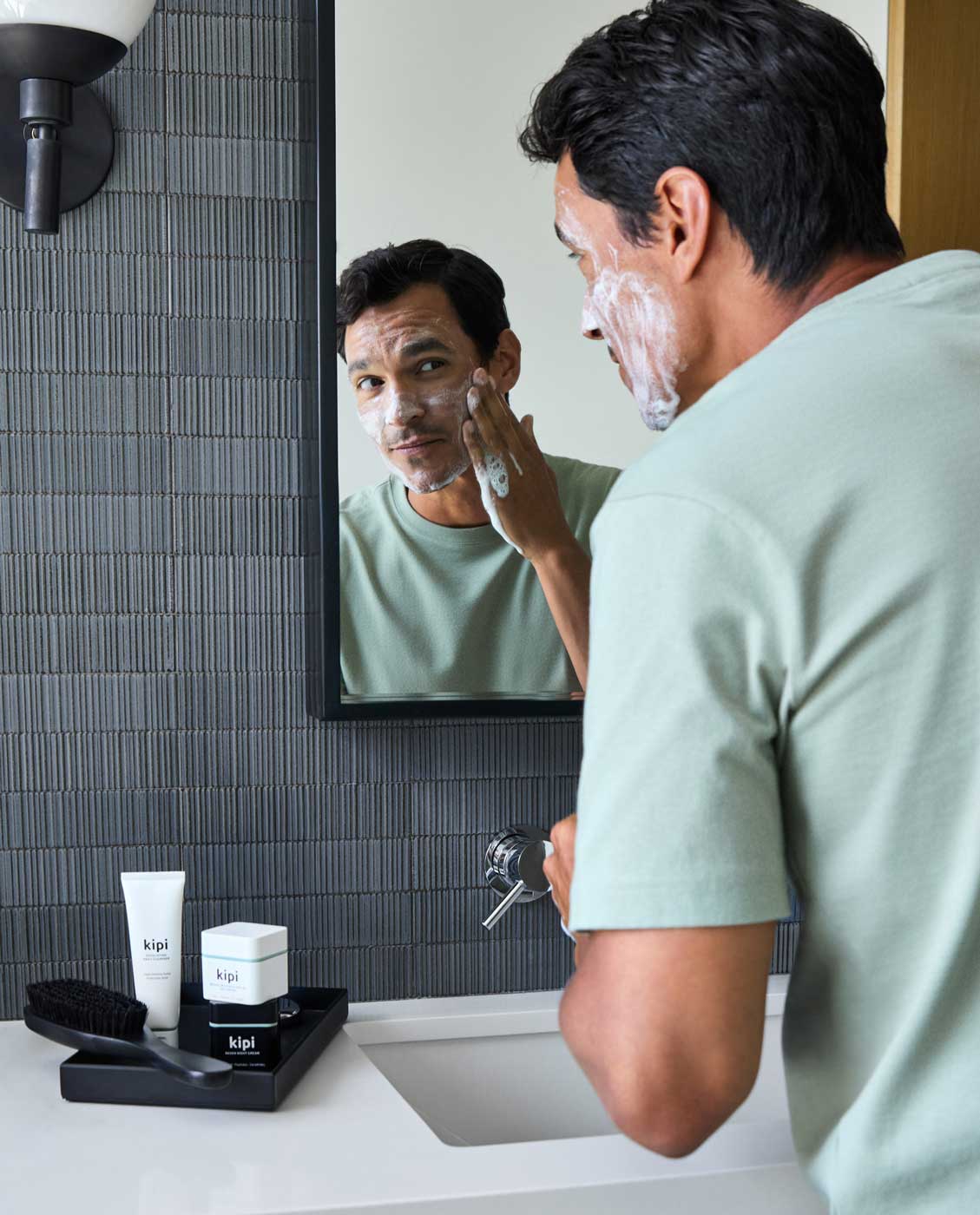
Male skin is usually thicker, oilier, and impacted by shaving, but the core active ingredients (retinol, vitamin C, hyaluronic acid, chemical exfoliants) work for everyone. A gentle, effective exfoliating cleanser suits any gender; what matters more is skin type and concerns. Gendered products mainly differ in fragrance and packaging, not performance.
Can I achieve glass skin without expensive K-beauty products?
Yes—glass skin is about technique, not price. Selena’s makeup artist used a $69 Mixsoon routine, but you can get similar results with consistent gentle exfoliation, multiple hydrating layers, barrier protection, and a well-placed face oil. Any products that deliver those functions—a good exfoliating cleanser, hydrating toner, lightweight serum, and moisturizer—can create a dewy, glass-skin effect.