Comprehensive research compiled from clinical studies, market analysis, and consumer behavior data revealing the science and economics behind effective pore minimization treatments
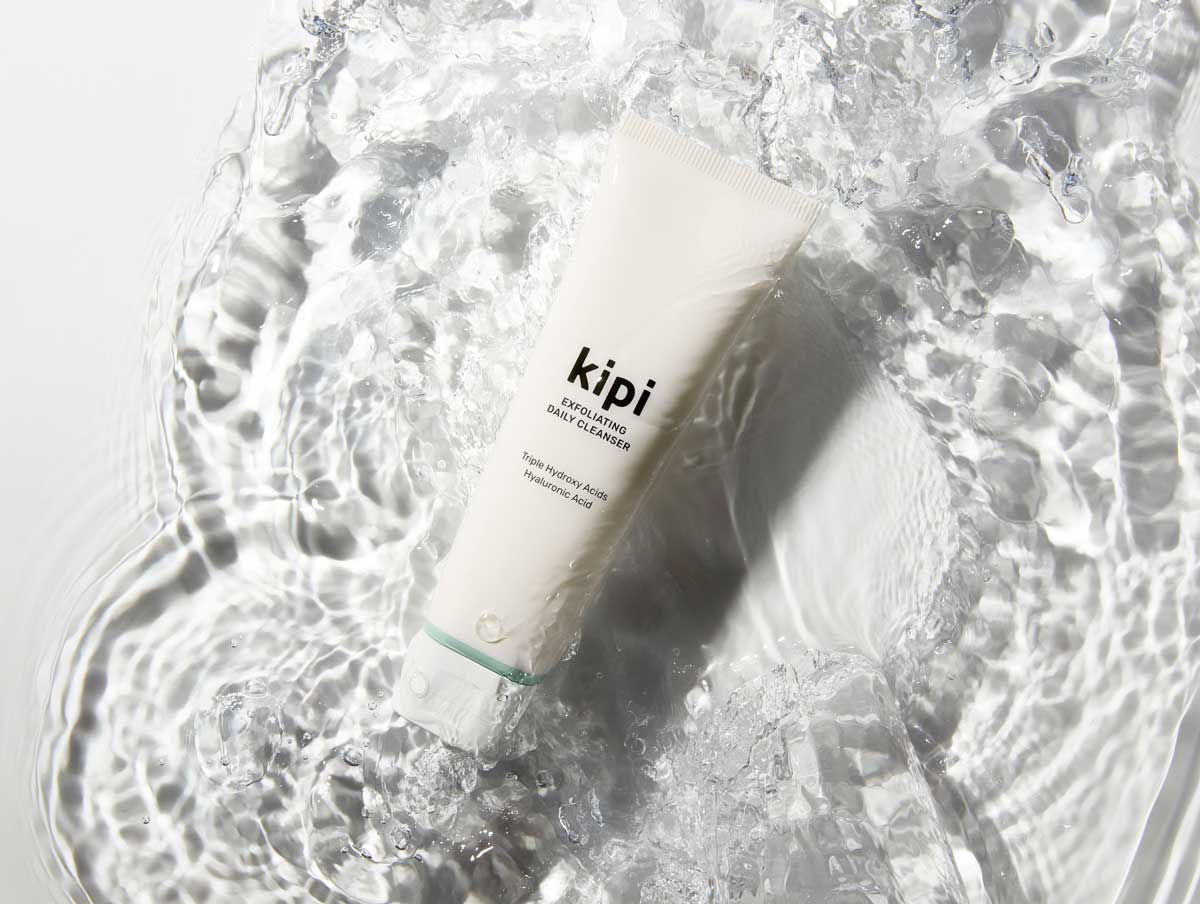
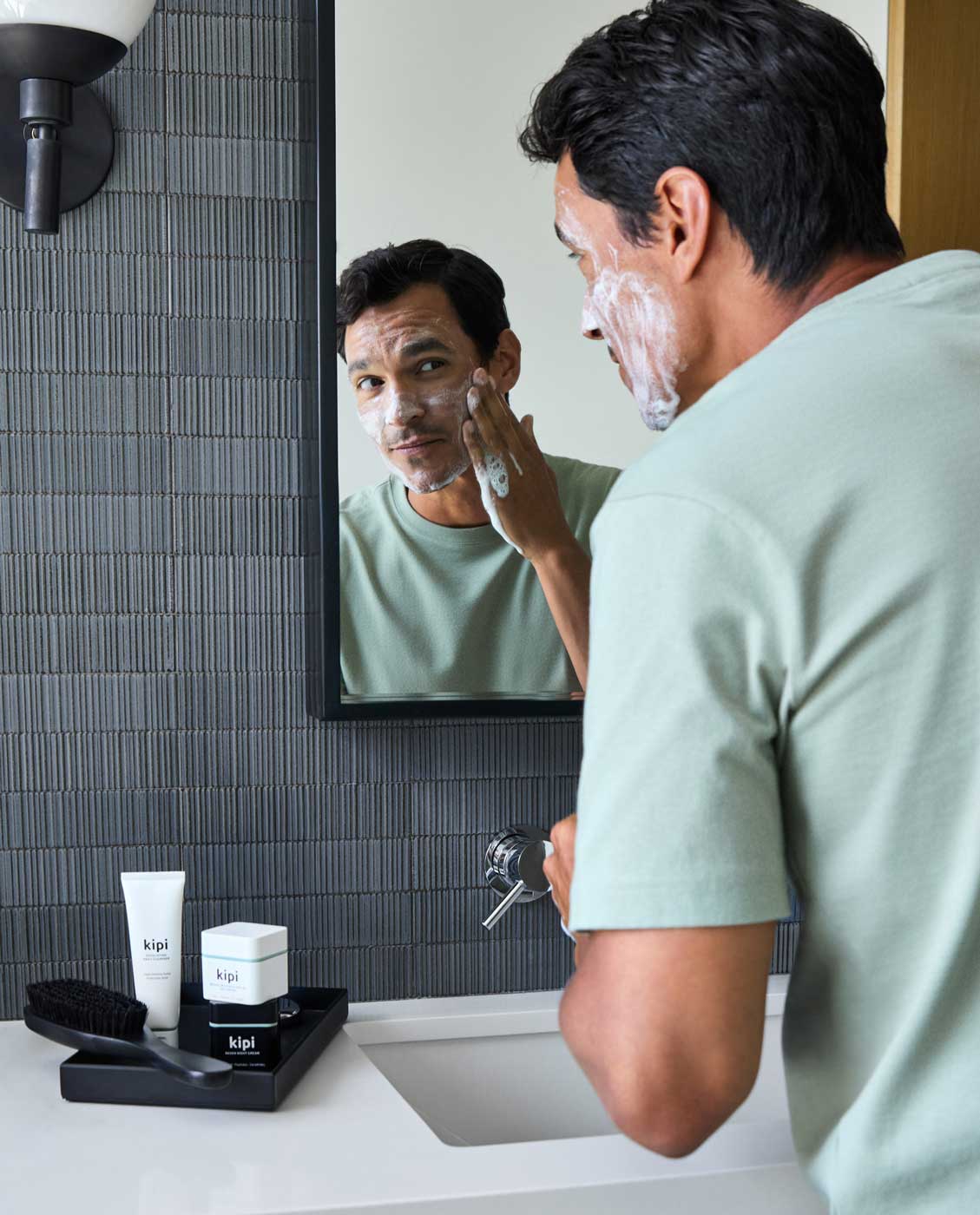
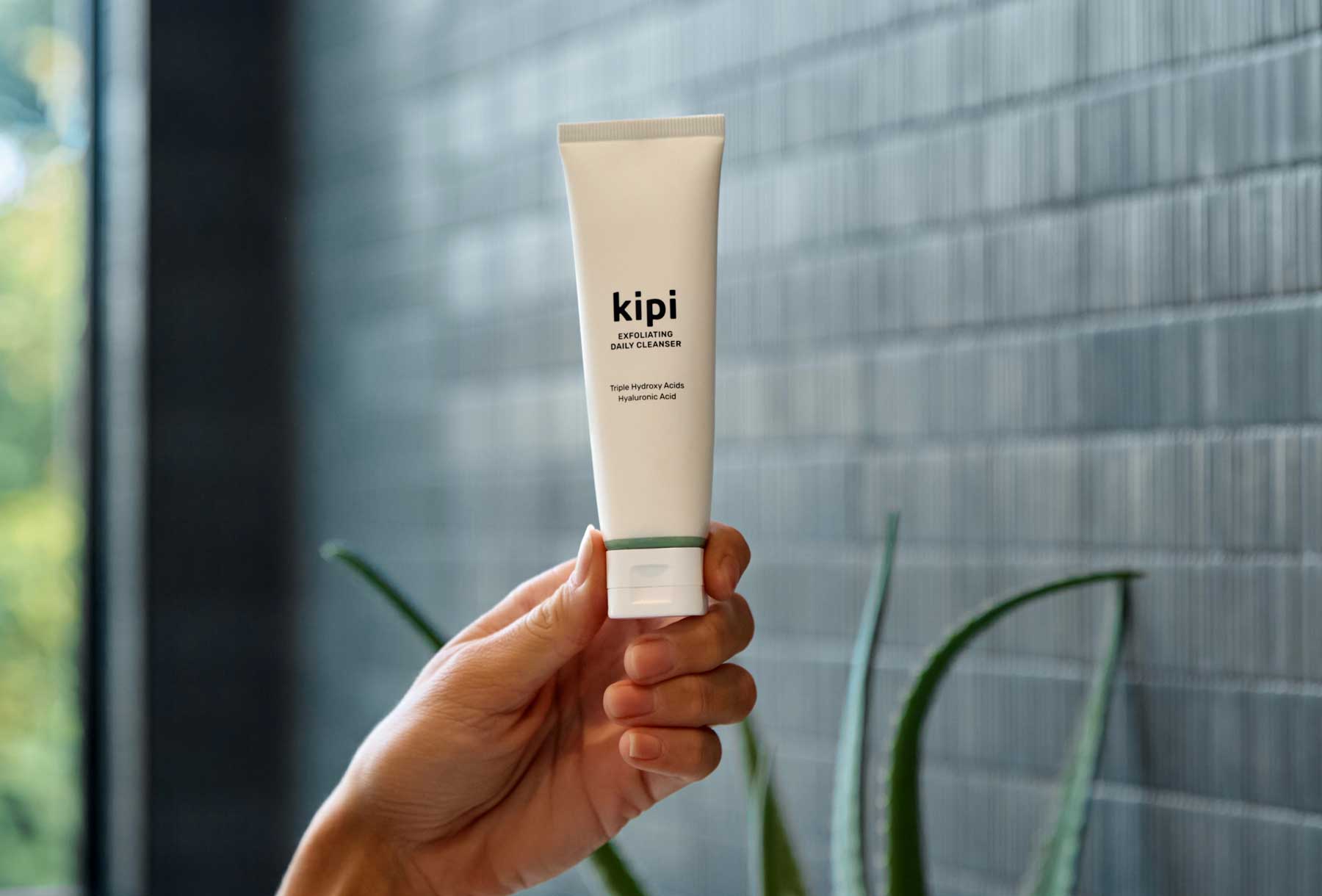
The global pore-reducing skincare market is estimated at approximately $5 billion, driven by clinical evidence demonstrating measurable pore reduction and expanding consumer awareness of accessible, science-backed solutions. For individuals seeking streamlined approaches to visibly refined skin texture, understanding these statistics reveals why multifunctional products like Kipi's Exfoliating Daily Cleanser deliver exceptional value compared to complex treatment regimens or costly professional procedures. This data-driven analysis examines 20 critical statistics that define the pore reduction landscape and illuminate pathways for achieving clearer, smoother skin through proven formulations.
Key Takeaways
-
Proven clinical effectiveness validates topical treatments – Laser treatments achieve 30% average pore reduction after three sessions, demonstrating that professional interventions deliver measurable results, while establishing benchmarks for comparing accessible daily product performance
-
Market expansion reflects widespread pore concerns – The pore-reducing skincare market shows consistent growth toward an estimated $9 billion by 2033, with over 100 million units sold annually, indicating that pore minimization represents a fundamental skincare priority across demographics rather than a niche concern
-
Chemical exfoliants dominate over physical alternatives – Chemical exfoliants capture approximately 70% of the exfoliator market, validating science-backed approaches using hydroxy acids for gentle, consistent pore refinement versus harsh physical scrubs that can damage skin barriers
-
Professional treatment costs create opportunity for accessible alternatives – Professional IPL treatments require $300+ per session with multiple sessions needed, while LED treatments cost $60-$150 per session with minimum 8 rounds, positioning daily topical formulations as cost-effective alternatives for consumers seeking measurable results
-
Biological factors underscore importance of consistent exfoliation – Cell turnover extends from 20 days in youth to 30+ days with aging, creating visible pore enlargement as dead cells accumulate, validating regular exfoliation with alpha-hydroxy and beta-hydroxy acid formulations

Pore Reduction Market Size and Growth Trajectory
1. Global pore-reducing skincare market estimated at approximately $5 billion
The global pore-reducing skincare market reached an estimated $5 billion in recent valuation, establishing pore minimization as a substantial category within the broader skincare industry. This market size reflects sustained consumer investment in products specifically formulated to address visible pore concerns through exfoliation, oil control, and texture refinement. The valuation demonstrates that pore reduction represents a fundamental skincare priority rather than a secondary benefit, creating opportunities for brands delivering targeted solutions through science-backed formulations. Source: Future Market Insights
2. Market projected to reach estimated $9 billion by 2033 with consistent growth
Industry analysts project the pore-reducing skincare market will expand to an estimated $9 billion by 2033, representing consistent growth over the forecast period. This growth trajectory indicates increasing consumer awareness of pore minimization solutions, expanding product accessibility across price points, and sustained innovation in formulation technologies. The expansion rate positions pore care among the faster-growing skincare segments, validating consumer demand for products combining exfoliation and hydration in streamlined applications. Source: Data Market Insights
3. Pore-reducing products exceed 100 million units sold annually worldwide
Global sales of pore-reducing skincare products surpass an estimated 100 million units annually, demonstrating widespread adoption across geographic markets and consumer demographics. This volume indicates that pore minimization concerns extend far beyond niche consumer segments, representing a universal skincare priority that transcends age groups, skin types, and regional preferences. The substantial unit sales create competitive advantages for brands offering multifunctional formulations that deliver multiple benefits—exfoliation, purification, and hydration—within single daily applications rather than requiring separate treatment steps. Source: Data Market Insights
4. Pore cleanser market shows 7% projected growth through 2033
The specific segment of pore cleansers—products formulated primarily for cleansing while addressing pore concerns—demonstrates projected 7% annual growth through 2033. This growth rate within the broader pore care category demonstrates that cleansing represents the foundational step for pore reduction, establishing daily cleansers as the most accessible entry point for consumers addressing visible pore concerns. Products combining cleansing with exfoliating acid blends and charged hyaluronic acid align precisely with this growing segment. Source: Archive Market Research
5. Top 10 brands capture approximately 60% of global pore cleanser market share
The top ten pore cleanser brands collectively account for approximately 60% of global market share, indicating significant concentration among established players while leaving 40% of the market for emerging brands offering differentiated formulations. This distribution creates opportunities for brands emphasizing science-backed ingredients, ethical manufacturing, and simplified routines to capture share from consumers seeking alternatives to traditional mass-market products. Brands positioning multifunctional cleansers with transparent ingredient disclosure and proven efficacy can compete effectively within the fragmented 40% market segment. Source: Archive Market Research
Clinical Evidence for Pore Reduction Effectiveness
6. Laser treatments achieve 30% average pore reduction after three sessions
Clinical studies using 1064-nm picosecond laser technology demonstrate an average 30% reduction in pore size after three treatment sessions, with continuing improvement observed through six-month follow-up periods. This clinical benchmark establishes that professional interventions can deliver substantial pore minimization, though the approach requires multiple sessions, professional administration, and average downtime of four days following treatments. The proven effectiveness validates that pore size reduction is clinically achievable, creating demand for accessible alternatives delivering measurable results without professional intervention requirements. Source: National Institutes of Health
7. Eight-week topical regimen reduces conspicuous pores by 17.6%
Extended topical treatment protocols demonstrate 17.6% reduction in conspicuous pore appearance after eight weeks of consistent daily application, establishing that sustained use of science-backed formulations delivers clinically significant improvements approaching professional treatment outcomes. This eight-week benchmark aligns with typical skin renewal cycles and provides realistic timeframe expectations for consumers adopting daily exfoliating cleansers as foundational skincare steps. The gradual, sustained improvement validates approaches emphasizing routine consistency over intensive one-time interventions. Source: Journal of Nanobiotechnology
8. Professional treatments show 48% of patients achieving 25-50% pore improvement
Follow-up assessments at six months post-treatment reveal that 48% of patients receiving professional pore reduction interventions achieve 25-50% improvement in pore appearance, while an additional 28% demonstrate over 50% improvement. These outcomes establish that approximately three-quarters of treatment recipients experience clinically significant pore reduction, validating that pore minimization is achievable for the majority of individuals seeking solutions. The effectiveness distribution suggests that combining professional treatments with daily science-backed skincare may optimize outcomes across the broadest consumer spectrum. Source: National Institutes of Health
Chemical Exfoliant Market Dominance and Treatment Preferences
9. Chemical exfoliants capture approximately 70% of exfoliator market share
Chemical exfoliating products—formulated with alpha-hydroxy acids, beta-hydroxy acids, and polyhydroxy acids—account for approximately 70% of the total exfoliator market, vastly outperforming physical scrubs and mechanical exfoliation methods. This market dominance reflects dermatologist recommendations favoring chemical exfoliation for consistent, controlled skin renewal without the micro-tears and barrier damage associated with harsh physical scrubbing. Products formulated with triple-action hydroxy acid blends align with the proven consumer preference for gentle, science-backed exfoliation over abrasive alternatives. Source: Grand View Research
10. Oily skin products represent 35% of exfoliator market demand
Within the exfoliator category, products specifically formulated for oily skin comprise approximately 35% of market share, indicating that excess sebum production and resulting pore concerns drive substantial exfoliator demand. This concentration validates formulation approaches incorporating beta-hydroxy acids like salicylic acid that penetrate oil-filled pores to remove debris and refine texture. However, the remaining 65% market distribution demonstrates that pore concerns extend across all skin types, supporting formulations suitable for normal, dry, combination, and oily skin rather than oily-specific positioning. Source: Grand View Research
11. Online exfoliator sales expand at estimated 8% annually through 2030
E-commerce channels for exfoliating products demonstrate estimated 8% annual growth through 2030, outpacing traditional retail expansion rates and indicating consumer preference for digital discovery, research, and purchasing of skincare products. This distribution shift favors direct-to-consumer brands offering detailed ingredient education, usage instructions, and subscription models that enable recurring purchases without repeated decision-making. Brands providing free shipping and returns with fast delivery timelines align with e-commerce consumer expectations for convenience and risk-free trial opportunities. Source: Grand View Research
Regional Market Performance and Geographic Trends
12. Asia Pacific projected to grow at 5.9% annually for pore cleansing products
The Asia Pacific region demonstrates strong projected growth for pore cleansing products at 5.9% annually, driven by large population bases, rising disposable incomes, and cultural prioritization of skincare within daily routines. This regional performance indicates that innovation and consumer education originating in Asian markets increasingly influence global skincare trends and product development. However, Western consumers particularly value transparent ingredient disclosure, dermatologist-backed formulations, and ethical manufacturing practices that differentiate science-focused brands from mass-market alternatives. Source: Dataintelo
13. North America expected to generate significant pore treatment demand
North America maintains significant demand for pore reduction treatments, reflecting established skincare routines, premium product adoption, and willingness to invest in solutions delivering visible results. North American consumers demonstrate particular receptivity to products emphasizing clinical backing, natural ingredient sourcing, and cruelty-free manufacturing. This regional preference creates opportunities for brands positioning science-backed, vegan formulations manufactured in the USA with transparent ingredient percentages and pH disclosure. Source: Spherical Insights & Consulting
Treatment Cost Analysis and Accessibility Factors
14. Professional IPL treatments require $300+ per session with 3-5 sessions needed
Intense Pulsed Light treatments for pore reduction typically cost over $300 per session, with protocols requiring three to five sessions for optimal results, creating total treatment investments exceeding $1,500 for most patients. These professional intervention costs position daily topical products as highly accessible alternatives, particularly for consumers seeking measurable pore improvement without four-figure financial commitments. Products priced around $29-$36 through subscription or one-time purchase models deliver exceptional value when achieving comparable improvement within similar timeframes to professional treatments. Source: Skin Inc.
15. LED treatments cost $60-$150 per session with minimum 8 treatment rounds
LED light therapy for pore minimization and collagen stimulation ranges from $60 to $150 per session, with treatment protocols requiring a minimum of eight rounds for visible results. This creates total costs between $480 and $1,200 for complete treatment courses, again positioning daily topical formulations as cost-effective alternatives. The professional treatment pricing validates consumer willingness to invest in pore reduction while simultaneously demonstrating accessibility advantages for science-backed topical products delivering measurable results through consistent daily application rather than periodic professional interventions. Source: Skin Inc.
16. Chemical peels for pore treatment cost $150-$300 per application
Professional chemical peels specifically targeting pore reduction range from $150 to $300 per treatment, with most protocols requiring multiple applications for sustained results. While professional-strength peels deliver immediate exfoliation at higher acid concentrations than over-the-counter formulations, daily gentle exfoliation with buffered hydroxy acid blends provides consistent skin renewal without the downtime, irritation risk, or cost barriers associated with periodic high-intensity treatments. This positions daily exfoliating cleansers as complementary or alternative approaches depending on individual preferences and budget considerations. Source: Skin Inc.
Biological Factors and Clinical Benchmarks
17. Cell turnover extends from 20 days in youth to 30+ days with aging
Skin cell turnover rates—the time required for new cells to migrate from basal layers to the surface—extend from approximately 20 days in young adults to 30 or more days in older individuals. This biological slowing contributes to visible pore enlargement as dead cells accumulate on skin surfaces rather than efficiently shedding, creating texture irregularities and apparent pore expansion. Regular exfoliation with alpha-hydroxy and beta-hydroxy acid formulations addresses this biological factor by accelerating surface cell removal, revealing refreshed skin layers and reducing apparent pore size through consistent renewal. Source: PubMed
18. Results typically visible within 4-6 weeks of consistent pore treatment
Clinical assessments establish that visible pore reduction results generally emerge within four to six weeks of consistent treatment application, aligning with natural skin renewal cycles and providing realistic timeframe expectations for consumers adopting new skincare routines. This benchmark validates positioning that emphasizes routine consistency over immediate transformation promises, supporting subscription models with eight-week auto-delivery frequencies that align with the timeframe required for measurable improvement. Brands offering simple, effective approaches benefit from setting appropriate expectations that ensure customer satisfaction when results manifest within expected timeframes. Source: National Institutes of Health
19. 50% of acne patients show improvement after chemical exfoliation treatment
Acne improvement research demonstrates that approximately 50% of patients experience noticeable clearing after chemical exfoliation treatment sessions, validating exfoliating acids' therapeutic benefits for acne-prone skin. This clinical outcome supports consumer use of beta-hydroxy acids like salicylic acid for pore refinement and debris removal beyond general texture improvement. Formulations combining salicylic acid with hydrating actives address acne concerns while maintaining skin balance for sensitive skin types. Source: PMC Journal
20. 85% of people ages 12-24 experience some form of acne
Acne affects approximately 85% of individuals between ages 12-24, establishing pore clearing and sebum management as universal concerns across adolescent and young adult demographics. Beta-hydroxy acids like salicylic acid penetrate pores to remove debris and refine texture, addressing this widespread concern through gentle daily cleansing rather than harsh spot treatments. Formulations combining pore-clearing acids with hydrating actives prevent the over-drying that triggers compensatory oil production worsening acne cycles. Source: Market.us
The Bottom Line
The pore reduction market's growth to an estimated $9 billion by 2033 reflects fundamental consumer demand for effective, accessible solutions that deliver visible results without professional intervention costs. With chemical exfoliants capturing 70% of market share and clinical studies validating measurable improvements within 4-8 weeks, consumers increasingly recognize that science-backed daily products provide compelling alternatives to expensive laser treatments and chemical peels. Kipi's Exfoliating Daily Cleanser addresses this opportunity through triple-action hydroxy acids and charged hyaluronic acid that deliver the pore refinement, texture smoothing, and balanced hydration today's informed consumers demand. By combining clinical efficacy with ethical manufacturing—vegan, cruelty-free, sulfate and paraben-free—and transparent ingredient disclosure, Kipi offers the multifunctional simplicity that enables consumers to achieve refreshed, balanced skin through streamlined routines rather than complex regimens or costly professional treatments.
Frequently Asked Questions
Can you permanently reduce pore size?
Pore size is primarily determined by genetics, sebum production, and collagen levels, meaning permanent closure is not biologically possible. However, consistent use of science-backed formulations with exfoliating acids and hydrating agents can maintain minimized pore appearance through regular surface cell removal, sebum control, and hydration balance. Products combining triple-action hydroxy acids with charged hyaluronic acid deliver sustained visible improvement when incorporated into daily routines.
How long does it take to see pore reduction results?
Clinical data demonstrates that visible pore reduction results typically emerge within four to six weeks of consistent treatment application, aligning with natural skin renewal cycles. Extended protocols show 17.6% reduction in conspicuous pores after eight weeks of daily application, requiring routine consistency for optimal outcomes.
Are chemical exfoliants better than physical scrubs for pore reduction?
Chemical exfoliants capture approximately 70% of the exfoliator market and receive dermatologist preference over physical scrubs because they provide gentle, consistent exfoliation without the micro-tears and barrier damage associated with abrasive particles. Formulations combining alpha-hydroxy acids, beta-hydroxy acids, and polyhydroxy acids deliver effective pore refinement while maintaining skin barrier integrity and pH balance.
What is the most cost-effective approach to pore reduction?
Professional treatments like IPL ($300+ per session), LED therapy ($60-$150 per session), and chemical peels ($150-$300 per application) require multiple sessions totaling $500-$1,500 for complete protocols. Daily topical products priced around $29-$36 deliver comparable improvement within similar timeframes, representing substantially more accessible investment levels while providing consistent benefits through routine application.
Do pore reduction products work for all skin types?
Research demonstrates that pore concerns affect individuals across all skin types—normal, dry, combination, and oily—though oily skin products specifically account for approximately 35% of market demand. Formulations designed for multiple skin types using balanced acid concentrations, hydrating agents like charged hyaluronic acid, and barrier-supporting ingredients like pro-vitamin B5 deliver effective pore refinement without the dryness or irritation that can result from oily-skin-specific formulations applied to other skin types.