Celebrity skincare routines get plenty of attention, but the real value lies in understanding the science-backed principles behind them. Nicole Kidman's age-defying appearance at 57 isn't just about expensive products—it's about consistent, evidence-based habits that anyone can apply. The foundation of effective skincare comes down to cleansing, treating, moisturizing, and protecting—simple actions that work when paired with the right formulations. A multifunctional cleanser that combines exfoliation and hydration can streamline your routine while delivering the same benefits celebrities rely on.
The key is choosing products with proven ingredients at effective concentrations. Gentle cleansing removes impurities without stripping, while targeted actives address specific concerns. Whether you're managing oily skin, dry skin, or just want that red-carpet glow, the science remains consistent: barrier support, cell turnover, and sun protection form the backbone of any successful routine.
Key Takeaways
-
Consistent skincare routines focused on cleansing, hydration, and sun protection deliver measurable improvements in skin health
-
Daily sunscreen use reduces premature aging signs by 24% over four years and cuts skin cancer risk by 50% long-term
-
Science-backed actives like hydroxy acids, hyaluronic acid, and antioxidants show visible benefits within 8-12 weeks
-
Multifunctional products simplify routines without sacrificing results—one quality cleanser can replace three separate steps
-
Dry skin, oily skin, and aging skin all benefit from pH-balanced formulations that support the skin's natural barrier
-
Lifestyle factors like sleep quality, hydration, and stress management amplify the effects of topical skincare

Nicole Kidman's Ageless Skin: What We Know About Her Routine
Nicole Kidman's skin at 57 reflects decades of consistent habits rather than quick fixes. Public statements from the actress emphasize sun protection, gentle cleansing, and professional dermatologist partnerships—principles that align with current skincare understanding.
Core principles from celebrity skincare approaches:
-
Consistency over intensity: Daily habits matter more than sporadic treatments
-
Professional guidance: Dermatologists help tailor routines to individual skin needs
-
Evidence-based products: Focus on proven actives rather than trend-chasing
-
Sun protection first: UV defense prevents more damage than any corrective treatment can reverse
Hollywood skincare standards often involve layered routines, but the most effective approaches stick to fundamentals. Dermatologists recommend sunscreen with SPF 30 or higher for all skin types—a non-negotiable step that celebrities and everyday users alike benefit from.
Collagen production naturally declines by about 1% per year starting in the 20s, making barrier support essential for maintaining skin elasticity. This explains why consistent moisturization shows up in nearly every celebrity routine.
Her Career and Skin Evolution
Three decades in the spotlight mean constant red carpet appearances under harsh lighting and heavy makeup. Yet Kidman's skin has maintained its clarity through what appears to be a focus on barrier health and gentle product selection.
Professional makeup artists often note that well-maintained skin requires less coverage, allowing natural texture to show through. This approach aligns with modern dermatology's emphasis on skin barrier function rather than aggressive resurfacing.
Key Principles from Nicole's Public Statements
In interviews, Kidman has mentioned staying out of direct sun and maintaining simple, gentle routines. These habits reflect the same science-backed strategies that dermatologists recommend to everyday patients.
The emphasis on simplicity over complexity resonates with current trends toward minimalist skincare—using fewer products with higher-quality formulations to achieve better results.
Best Skincare Routine Steps: Building Your Foundation
A functional skincare routine follows a clear hierarchy: cleanse, treat, moisturize, protect. This framework applies regardless of skin type or age, though specific products within each step will vary.
The cleanse-treat-moisturize-protect sequence ensures products absorb in the right order and don't interfere with each other's effectiveness. pH-balanced formulations maintain the skin's natural acid mantle, which sits between 4.5 and 5.5 on the pH scale.
Morning routine essentials:
-
Cleanse: Remove overnight oil buildup and prepare skin for actives
-
Treat: Apply serums with antioxidants or targeted actives
-
Moisturize: Lock in hydration and support barrier function
-
Protect: Sunscreen as the final step before makeup
Evening routine priorities:
-
Cleanse: Remove makeup, pollution, and daily buildup
-
Treat: Apply repair-focused actives like retinoids or exfoliants
-
Moisturize: Support overnight barrier repair with richer formulations
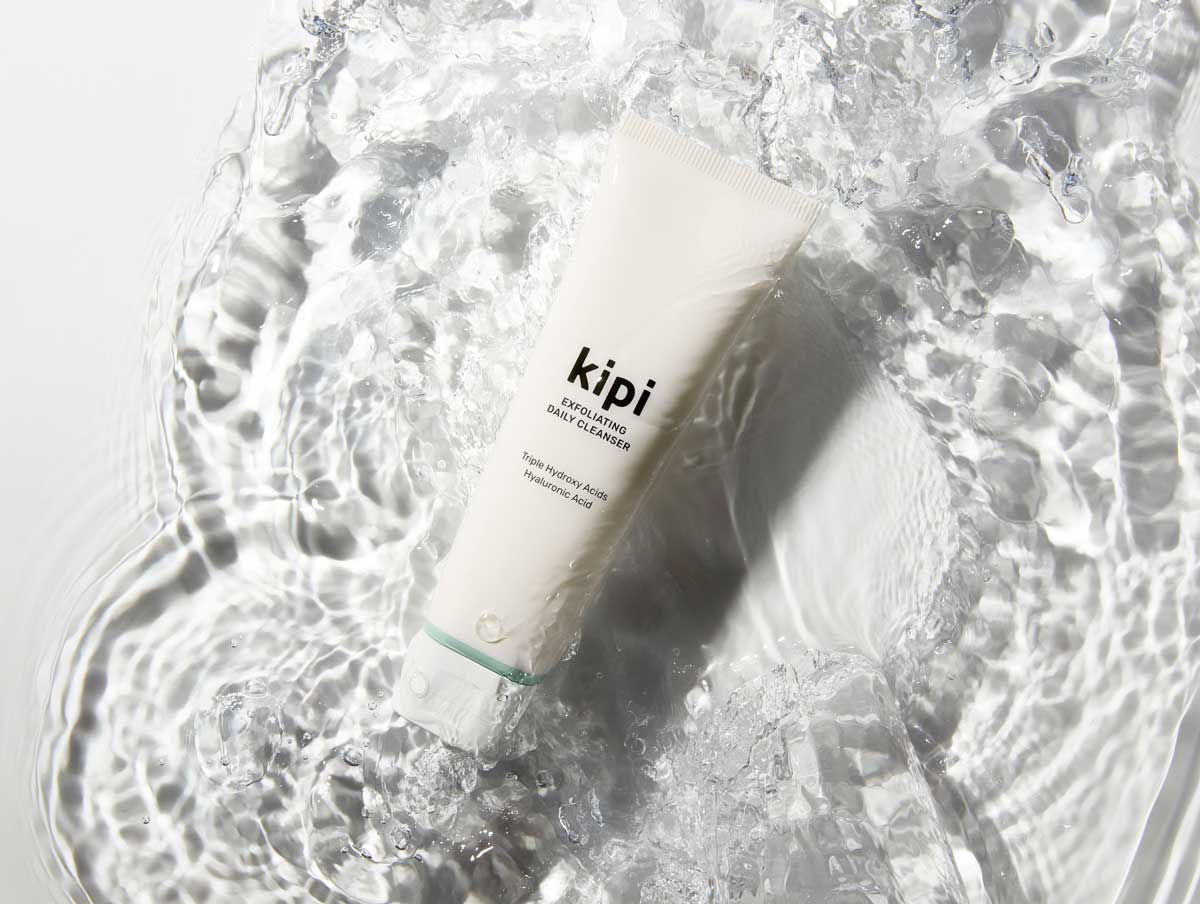
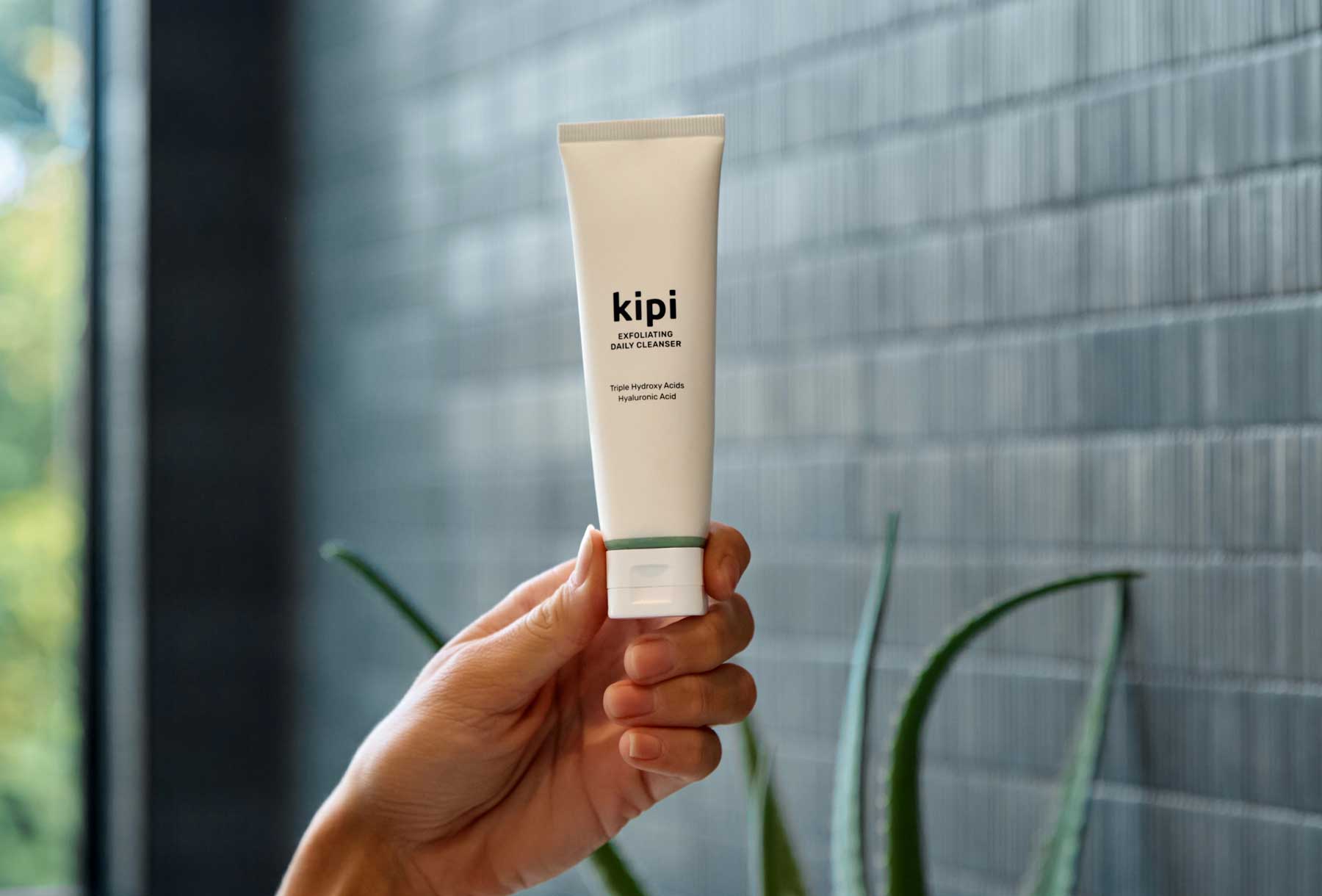
Kipi's Exfoliating Daily Cleanser combines the first two steps—cleansing and treating—into one formula. The triple-action hydroxy acids (1% AHA complex, 0.4% BHA complex, 1% gluconolactone) exfoliate while charged hyaluronic acid (0.1%) delivers hydration, simplifying the routine without cutting corners.
The Non-Negotiable Steps
If you strip a routine down to absolute essentials, three steps remain: cleanse, moisturize, and protect. These core steps address the most common skin concerns effectively.
Skipping sunscreen is the single biggest mistake in any routine. Daily sunscreen use can reduce premature aging signs by 24% over four years, and long-term adherence cuts skin cancer risk by 50%.
Product absorption timing matters less for basic routines than it does for advanced active layering. For most people, morning and night application of core products delivers consistent results.
Daily Skin Care Routine at Home: Simple Habits for Visible Results
Setting up an effective at-home routine requires minimal equipment: a clean sink, fresh towels, and products stored at room temperature. The ritual structure matters as much as the products themselves—consistency drives outcomes.
Water temperature affects how skin responds to cleansing. Use lukewarm water to avoid irritation; while heat doesn't 'open' pores, it can help loosen debris without stripping natural oils.
Creating your skincare station:
-
Store products in a cool, dry place away from direct sunlight
-
Keep a clean towel dedicated to face-drying only
-
Use a separate hand towel to avoid transferring bacteria
-
Replace face towels every 2-3 days
Hand-washing before touching your face reduces transfer of dirt and bacteria from daily activities. This simple step cuts contamination and allows products to work more effectively.
Most anti-aging products show visible benefits within 8-12 weeks, so tracking progress monthly helps you assess whether your routine is working. Photographing your skin in consistent lighting provides objective comparison.
Time-Saving Techniques That Work
Multifunctional products cut routine time without sacrificing results. The Exfoliating Daily Cleanser delivers exfoliation, cleansing, and hydration in a single step—ideal for establishing consistent at-home habits. At 60ml, it's TSA carry-on approved and lasts approximately two months with twice-daily use.
Applying products to damp skin increases absorption for water-based formulations like serums and moisturizers. Pat—don't rub—to avoid tugging at delicate facial skin.
Tracking Progress Week by Week
The first two weeks often bring barrier improvements: less tightness, more comfortable skin. Hydration improves elasticity in most users after two weeks of regular moisturizer use.
Weeks 4-8 typically show refinement in texture and tone as cell turnover accelerates. By week 12, most users with consistent routines notice measurable changes in fine lines, pore appearance, and overall radiance.
Skincare Routine for Men: Streamlined Steps That Deliver
Men's skin tends to be about 25% thicker than women's, with higher collagen density and increased sebum production due to testosterone. These structural differences don't require entirely different products, but they do influence routine design.
Post-shave barrier recovery is a key concern for men who shave regularly. Razor irritation disrupts the skin's protective layer, making gentle, hydrating formulations essential in the 24 hours following shaving.
The 3-product starter routine:
-
Multifunctional cleanser: Removes oil, exfoliates, and hydrates in one step
-
Lightweight moisturizer: Hydrates without greasiness
-
Broad-spectrum SPF: Protects against UV damage
Facial hair area care requires products that won't clog follicles or cause ingrown hairs. Non-comedogenic formulations and gentle chemical exfoliants (rather than harsh scrubs) keep the beard area clear.
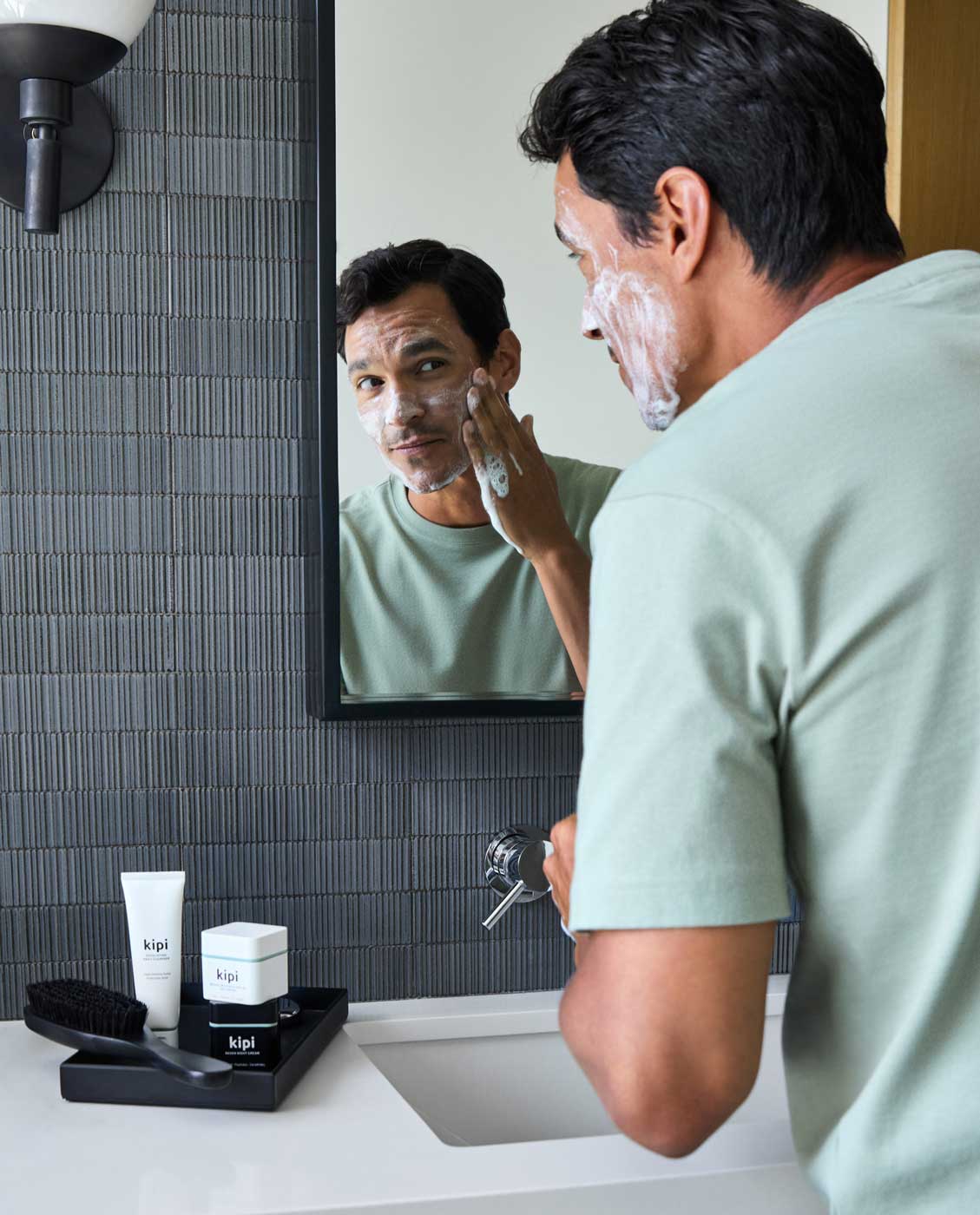
The Exfoliating Daily Cleanser offers a science-backed formula that removes impurities, exfoliates, and hydrates in one step—ideal for streamlined men's routines. The natural citrus-herb fragrance provides a clean finish without overwhelming scent.
Why Men's Skin Needs Different Attention
Higher testosterone levels mean more active sebaceous glands and oilier skin on average. This increases the need for pore-clearing ingredients like salicylic acid, which penetrates oil and prevents congestion.
Thicker skin structure allows men to tolerate slightly stronger active concentrations, though sensitivity varies individually. The same pH-balanced, gentle approach recommended for all skin types still applies.
Addressing Razor Irritation
Shaving removes the top layer of skin cells along with hair, creating micro-abrasions that need gentle care. Avoid harsh exfoliants immediately after shaving; instead, use soothing ingredients like panthenol and hyaluronic acid.
Chemical exfoliants (AHAs and BHAs) prevent ingrown hairs more effectively than physical scrubs. Use them on non-shaving days to keep pores clear and encourage proper hair growth direction.
Glowing Skin Products: Active Ingredients That Actually Work
"Glow" describes skin that reflects light evenly due to smooth texture and adequate hydration. At the cellular level, this requires regular exfoliation to remove the dull surface layer and reveal fresh cells beneath.
Alpha-hydroxy acids work by loosening the bonds between dead skin cells, allowing them to shed more easily.
Key actives and their percentages:
-
AHA complex (1-10%): Exfoliates surface layer, brightens tone
-
BHA complex (0.5-2%): Penetrates pores, refines texture
-
Gluconolactone (1-10%): Polyhydroxy acid that exfoliates and hydrates simultaneously
-
Vitamin C (5-20%): Antioxidant that brightens and protects
-
Niacinamide (2-5%): Improves barrier function and evens tone
The Exfoliating Daily Cleanser delivers triple-action hydroxy acids (1% AHA complex, 0.4% BHA, 1% gluconolactone) that gently exfoliate to reveal a refreshed, vibrant complexion without irritation. These proven active concentrations work within effective thresholds established by research.
The Science of 'Glow': What It Really Means
Cell turnover naturally slows with age, from about 28 days in your twenties to 40+ days by your fifties. This slower renewal leaves more dead cells on the surface, creating a dull appearance.
Regular exfoliation accelerates turnover closer to youthful rates, but over-exfoliation damages the barrier and causes sensitivity. Success rates for improved texture using vitamin C-based serums exceed 73%, demonstrating that gentle, consistent active use delivers measurable radiance.
Combining Actives Safely
Layering multiple acids or combining acids with retinoids can cause irritation if done incorrectly. Start with one active ingredient, use it consistently for 4-6 weeks, then assess whether your skin can handle additional treatments.
pH matters when combining actives. Vitamin C works best at pH 3-3.5, while most AHAs function optimally at pH 3-4. Using too many low-pH products simultaneously can disrupt the skin's natural acid mantle.
A multifunctional cleanser with balanced acid concentrations removes the guesswork from active layering. The acids work during the cleansing step, then rinse off, allowing you to follow with other treatments without pH conflicts.
Building a Simple Routine with Proven Science
The minimal effective dose concept applies to skincare: use the fewest products at the lowest effective concentrations to achieve your goals. This reduces cost, saves time, and minimizes risk of irritation from product interactions.
Multifunctional products collapse routine steps without sacrificing results. A cleanser that exfoliates and hydrates eliminates the need for separate toner and exfoliant, streamlining your routine to three core products: cleanser, moisturizer, SPF.
The 3-product core routine:
-
Morning: Multifunctional cleanser → Moisturizer with SPF or separate sunscreen
-
Evening: Multifunctional cleanser → Richer night moisturizer or targeted treatment
This framework addresses the fundamentals identified in dermatological guidelines: remove impurities, support barrier function, protect against UV damage.
The Exfoliating Daily Cleanser combines exfoliation, cleansing, and hydration in one pH-balanced step (4.5-5.5), suitable for all skin types with visible results in 28 days. The formula's gentle hydroxy acid blend and soothing panthenol work for normal, dry, combination, and oily skin.
When to Add Versus When to Simplify
Add products when you have a specific concern that your current routine doesn't address: hyperpigmentation, deep wrinkles, or persistent acne. Introduce one new product at a time and assess over 6-8 weeks.
Simplify when you experience irritation, confusion about product order, or declining compliance with your routine. A routine you'll actually follow beats a perfect-on-paper regimen you abandon after two weeks.
Measuring Routine Effectiveness
Track specific metrics: hydration level (skin feels comfortable 3+ hours after moisturizing), texture (smoothness when you run fingers across cheeks), and tone (evenness under consistent lighting).
Photograph your skin monthly in the same location, lighting, and time of day. This objective record shows changes you might miss when looking in the mirror daily.
If your routine isn't delivering results within 12 weeks, reassess product choice or consult a dermatologist.
Frequently Asked Questions
What skincare ingredients should I avoid mixing?
Avoid using multiple strong acids (AHAs, BHAs, retinoids) simultaneously—layer them on alternate days. Vitamin C works best in the morning; retinol at night. Benzoyl peroxide and retinoids may deactivate each other; use 12 hours apart.
How long does it really take to see skincare results?
Barrier improvements appear within 1-2 weeks. Texture refinement from acids shows at 4-6 weeks. Most anti-aging products deliver visible benefits within 8-12 weeks. Deeper concerns like hyperpigmentation may require 3-6 months of consistent use.
Can I use the same skincare routine year-round?
Most people benefit from seasonal adjustments. Winter requires richer moisturizers due to low humidity and indoor heating. Summer allows lighter formulations. Your cleansing step can remain constant with a pH-balanced, multifunctional formula.
Should I change my skincare routine as I age?
Core structure stays constant: cleanse, treat, moisturize, protect. What changes: richer moisturizers, targeted treatments for specific concerns, and potentially stronger actives as tolerance builds. Sun protection remains essential at every age.
Is expensive skincare actually better than drugstore products?
Price doesn't always mean efficacy. What matters: active ingredient concentrations, formulation pH, clinical testing, and manufacturing standards. Many drugstore products contain the same actives as luxury brands at similar concentrations.