Celebrity skincare routines get a lot of attention, but the truth is, effective skincare comes down to a few science-backed fundamentals that work for anyone. The best skincare routines combine cleansing, exfoliation, hydration, and protection—simplified into manageable steps that you'll actually stick with. Whether you're inspired by Lindsay Lohan's approach or building your own regimen from scratch, the key is choosing multifunctional products like an exfoliating daily cleanser that combine multiple benefits in one step.
Many U.S. adults use skincare products regularly, but many overcomplicate their routines with too many products or harsh ingredients. The reality is that a streamlined approach with proven ingredients delivers better results than layering ten different products. When you understand how cleansing, exfoliation, and hydration work together, you can build a routine that fits your skin type and lifestyle—without the guesswork.
The science behind effective skincare is straightforward: gentle cleansing removes impurities, chemical exfoliation renews skin texture, and hydration maintains the skin barrier. Celebrity routines might offer inspiration, but the real results come from consistency and choosing formulations that match your skin's needs.
Key Takeaways
-
Effective skincare routines rely on three core steps: cleansing, exfoliation, and hydration with SPF
-
Results take time—most people begin to see results in 4–12 weeks depending on the product and concern
-
Multifunctional products simplify routines and reduce the risk of irritation from ingredient overlap
-
Skin type matters—oily, dry, and combination skin each require tailored approaches
-
Daily sunscreen use reduces visible aging by 24% compared to inconsistent application

What Makes a Celebrity Skincare Routine Effective
Celebrity skincare routines work when they follow dermatological fundamentals, not when they rely on expensive labels or complicated steps. The difference between an effective routine and one that just looks good on camera comes down to science-backed formulations, consistent application, and realistic expectations.
Key elements of effective routines:
-
Science-backed active ingredients at proven concentrations
-
pH-balanced formulas that respect the skin barrier
-
Lightweight textures that absorb without residue
-
Multifunctional products that combine benefits
-
Consistent daily application morning and night
According to the American Academy of Dermatology, a gentle daily cleansing routine followed by moisturizer and sunscreen forms the backbone of any effective skincare regimen. This foundation applies whether you're following a celebrity-inspired routine or creating your own.
The global skincare market exceeds $150 billion, but product efficacy isn't tied to price. Dermatologist-tested formulas with transparent ingredient lists and proper concentrations of actives deliver results across all price points.
The Science Behind Celebrity Glow
That "celebrity glow" comes from maintaining optimal skin hydration and supporting natural cell turnover. When skin cells renew efficiently and moisture levels stay balanced, skin reflects light better and looks naturally radiant.
Regular moisturization improves dry skin within 1–2 weeks for many people. This improvement happens because humectants like hyaluronic acid bind water molecules to the skin, while emollients smooth the surface texture.
Chemical exfoliants—alpha-hydroxy acids (AHAs), beta-hydroxy acids (BHAs), and polyhydroxy acids (PHAs)—break down the bonds between dead skin cells, revealing fresher skin underneath. This process happens at the molecular level, making it more controlled and less irritating than physical scrubs.
Why Consistency Matters More Than Price
Expensive products don't guarantee better results. What matters is using the right ingredients at effective concentrations and applying them consistently. Dermatologists commonly recommend daily cleansing, moisturizing, and sun protection—advice that works regardless of product cost.
Dermatology research emphasizes that no regimen yields instant results—consistent application over several weeks is needed to assess effectiveness. Most people abandon routines if they don't see results within a month, but visible changes typically require 4-12 weeks.
Essential Skincare Routine Steps for Every Skin Type
A functional skincare routine follows a simple sequence: cleanse, treat, moisturize, and protect. Each step serves a specific purpose in maintaining skin health and addressing concerns.
Morning Skincare Routine Order
Morning routines focus on protection and preparation for the day ahead. The goal is to cleanse away overnight oils, apply targeted treatments, and create a protective barrier against environmental damage.
AM routine sequence:
-
Cleanser – Removes overnight sebum and prepares skin (20-30 seconds)
-
Treatment serums – Apply active ingredients on damp skin
-
Moisturizer – Locks in hydration and supports barrier function
-
SPF – Final step to protect against UV damage
The cleansing step shouldn't strip your skin. A pH-balanced formula maintains the skin's natural acidity (4.5-5.5), which supports the microbiome and prevents irritation. Products formulated at skin's natural pH work with your biology rather than against it.
For those seeking a simplified morning routine, a multifunctional cleanser that combines cleansing, exfoliation, and hydration cuts the routine to just two steps: cleanse and protect.
Evening Skincare Routine Sequence
Night routines prioritize repair and renewal. While you sleep, skin cell turnover peaks, making evening the ideal time for active ingredients that support this natural process.
PM routine sequence:
-
Double cleanse (if wearing makeup/sunscreen) – Oil cleanser first, then water-based
-
Exfoliating cleanser – Removes debris and dead cells (20-30 seconds massage)
-
Treatment products – Retinoids, exfoliants, or targeted serums
-
Night moisturizer – Heavier formula to support overnight repair
The 20-30 second massage during cleansing matters. Circular motions help the cleanser work effectively without requiring harsh scrubbing. Pat dry with a clean towel rather than rubbing to avoid irritation.
The Right Way to Layer Products
Layering products in the wrong order reduces their effectiveness. The standard rule is "thinnest to thickest," but understanding why this matters helps you adapt the principle to your specific products.
Layering logic:
-
Water-based products absorb before oil-based formulas
-
Active ingredients work best on slightly damp skin
-
Wait 30-60 seconds between layers for absorption
-
Thicker creams seal in previous layers
Some actives don't play well together. For example, combining retinoids with AHA/BHA exfoliants in the same application can increase irritation risk. Alternating nights or using one in the morning and one at night prevents this issue.
Daily Skin Care Routine at Home for Glowing Skin
Natural radiance comes from hydrated, smooth skin with healthy cell turnover. You don't need professional treatments to achieve this—a consistent at-home routine with the right ingredients delivers visible results.
How to Achieve Natural Radiance Daily
Glowing skin reflects light evenly, which happens when the surface is smooth and properly hydrated. Exfoliation removes the dull, dead layer, while humectants draw water into the skin for that plump, dewy look.
Radiance-building practices:
-
Circular massage motions during cleansing to boost circulation
-
Chemical exfoliants (AHAs, BHAs, PHAs) 3-5 times weekly
-
Hydration from both humectants and water intake
-
Consistent SPF to prevent dullness from UV damage
The skin barrier plays a huge role in how radiant you look. A compromised barrier leads to trans-epidermal water loss, leaving skin dull and rough. Ingredients like panthenol (provitamin B5) support barrier function by reducing inflammation and promoting repair.
For daily cleansing and hydration, products that combine exfoliation with moisture-locking ingredients maintain radiance without the back-and-forth of multiple products.
The 28-Day Glow Timeline
Skin cell turnover takes about 28 days in young adults—longer as we age. This biological timeline explains why most visible improvements appear after several weeks of consistent product use.
What to expect:
-
Week 1-2: Texture feels smoother, hydration improves
-
Week 3-4: Surface dullness fades, pores look refined
-
Week 5-8: Tone becomes more even, firmness increases
-
Week 9-12: Full benefits visible, including reduced fine lines
This timeline applies to well-formulated products used consistently. Skipping days or switching products mid-stream resets the clock. Users who report satisfaction with their routines stick with them long enough to see these staged improvements.
At-Home Techniques That Work
Professional-level results at home require technique, not just products. How you apply your skincare matters as much as what you apply.
Massage your cleanser in circular motions for the full 20-30 seconds. Rushing this step means less effective cleansing and missed exfoliation benefits. The mechanical action helps active ingredients work while boosting circulation.
Pat your skin dry rather than rubbing. Rubbing with a towel can irritate skin and undo the calming benefits of your cleanser. Leave skin slightly damp before applying serums or moisturizers—damp skin absorbs water-based products better.
For exfoliation, less is more. Over-exfoliating damages the skin barrier and causes inflammation. If you're using a daily exfoliating cleanser with gentle acids, that's usually sufficient—no need for additional exfoliating steps.
Skincare Routine for Men: Simplified and Effective
Men's skin is structurally different—about 25% thicker with higher collagen density—but the fundamentals of effective skincare remain the same. The key difference is prioritizing straightforward, multifunctional products that deliver results without complexity.
Why Men Need Different Product Approaches
Thicker skin and higher sebum production mean men often benefit from formulations that provide thorough cleansing without over-drying. Shaving adds another layer of complexity, potentially causing irritation and compromising the skin barrier.
Men's skin considerations:
-
Higher testosterone leads to more oil production
-
Larger pores require effective exfoliation
-
Shaving causes micro-damage that needs soothing
-
Preference for simple, time-efficient routines
The average American spends $300 annually on skincare, but men typically prefer fewer products that do more. A cleanser that exfoliates, hydrates, and soothes addresses multiple needs in one step.
The 30-Second Morning Routine
A minimal routine doesn't mean ineffective. The right multifunctional product can deliver complete care in under a minute.
Quick morning sequence:
-
Wet face with lukewarm water
-
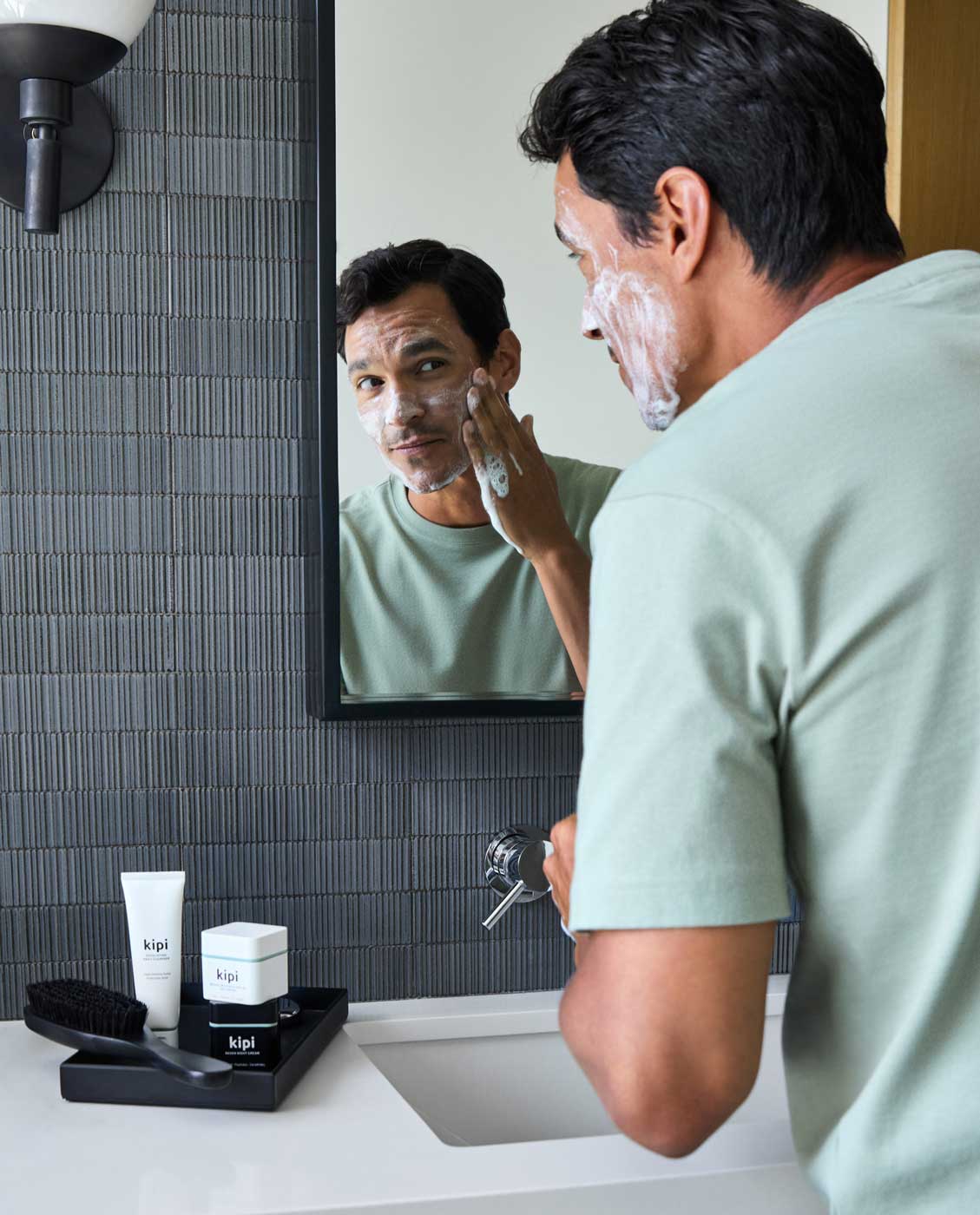
Massage half a teaspoon of cleanser for 20-30 seconds
-
Rinse thoroughly and pat dry
-
Apply SPF
This one-step approach works because the cleanser handles exfoliation and hydration, eliminating the need for separate toners or moisturizers before SPF.
Travel-Ready Skincare Essentials
Men who travel frequently need TSA-compliant products that work in any environment. A 60ml cleanser fits carry-on requirements while lasting approximately 2 months.
The portability matters—hotel cleansers and bar soaps often have high pH levels that disrupt the skin barrier. Bringing your own pH-balanced, multifunctional cleanser ensures consistent results regardless of location.
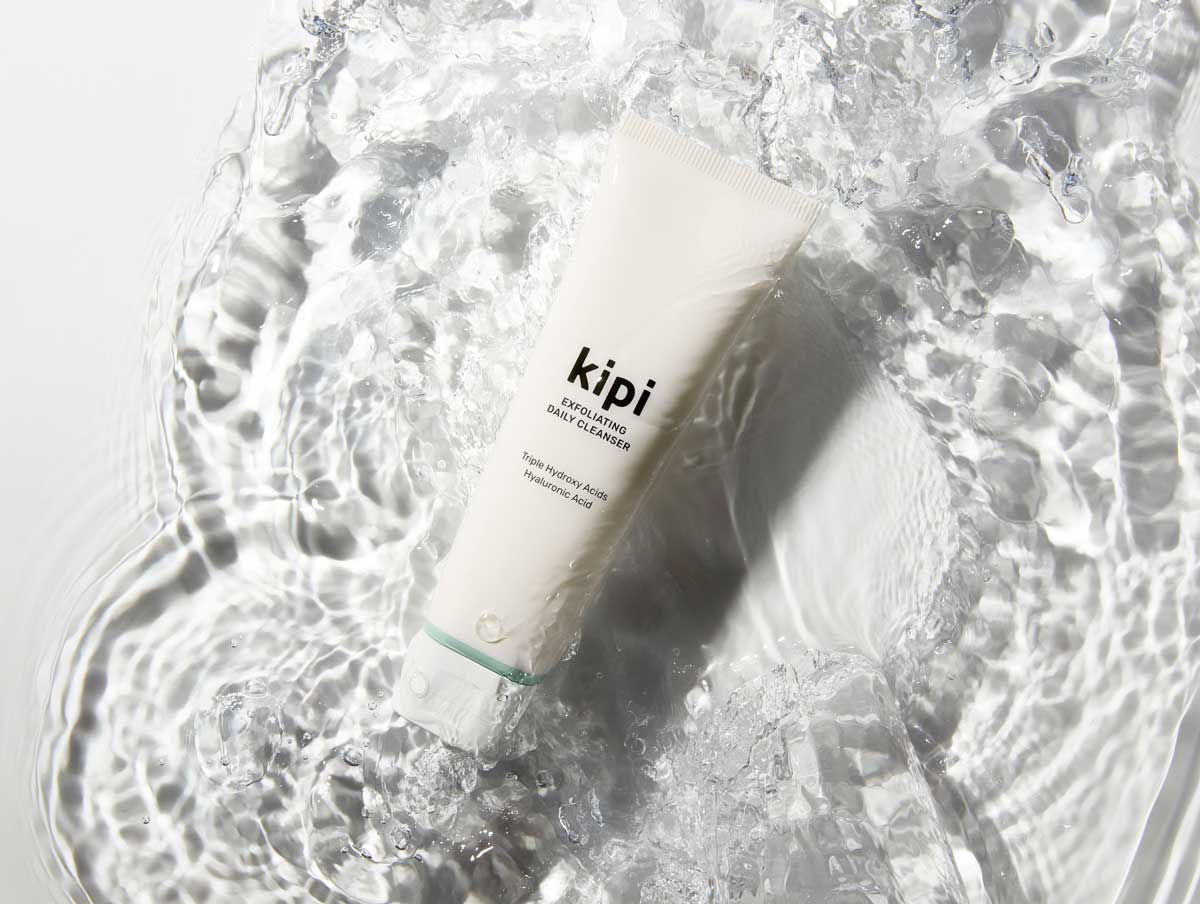
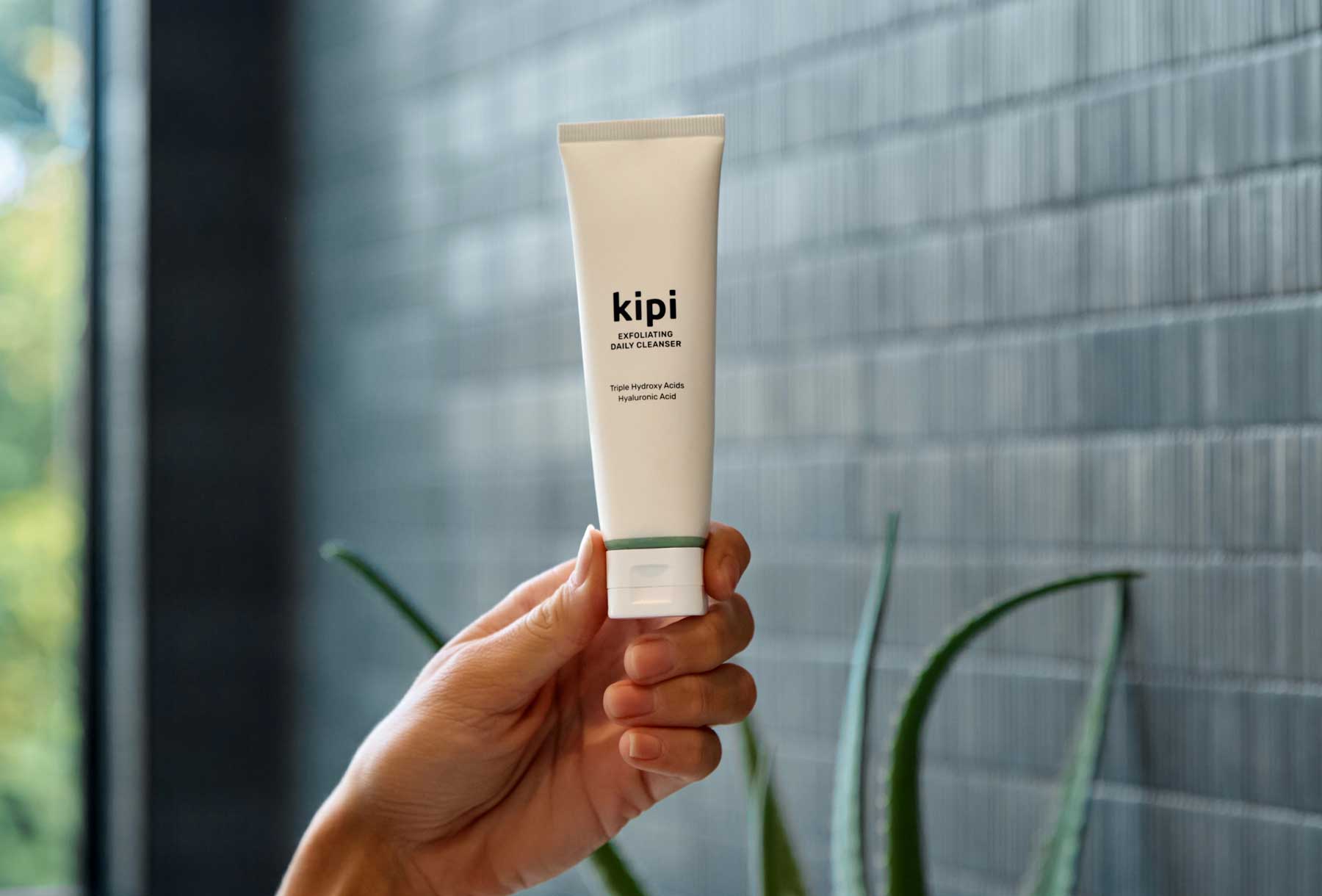
The Kipi Exfoliating Daily Cleanser comes in a TSA carry-on approved 60ml size, combining triple-action hydroxy acids (2.4% total), charged hyaluronic acid, and panthenol in one formula. For men seeking simplified routines, this covers cleansing, exfoliation, and hydration in a single step—ideal for both home and travel.
Frequently Asked Questions
Does expensive skincare actually work better than affordable options?
Price doesn't directly correlate with efficacy. Look for transparent ingredient lists with disclosed concentrations and dermatologist testing rather than focusing on price alone.
How long should I wait to see results from a new skincare routine?
Most visible improvements appear after 4-12 weeks of consistent use, though texture and hydration changes may show up within 2-4 weeks.
Can I use the same products if my skin type changes seasonally?
Yes. pH-balanced cleansers with both exfoliating and hydrating ingredients work across seasons, though you might adjust supplementary products like moisturizer.
Is it necessary to use different products for morning and night routines?
Not necessarily. Many products work well both morning and night. Main differences are SPF (morning only) and certain actives like retinoids (typically night).
What should I do if I experience irritation from a new product?
Stop using the product immediately and return to your previous routine. Patch test new products on a small area for 24-48 hours before full-face application.