Celebrity skincare routines get a lot of attention, but the real value isn't in copying every step—it's in understanding the science behind what works. Heidi Klum's approach to skincare emphasizes consistency, professional guidance, and science-backed ingredients, principles that translate well beyond red carpets. While the specifics of any celebrity routine may involve costly treatments, the core strategies—cleansing properly, maintaining hydration, and protecting from UV damage—are accessible to everyone. The global skincare market was valued at $115.65 billion in 2024, driven partly by interest in routines that deliver visible results.
The foundation of effective skincare isn't complexity; it's consistent use of proven ingredients. Research shows that 62% of adults maintain a daily skincare routine, but adherence varies widely based on how complicated that routine becomes. A science-backed exfoliating cleanser that combines multiple benefits in one step aligns with the simplified approach many dermatologists recommend—especially for those seeking results without a ten-step regimen.
Understanding the mechanisms behind celebrity skincare success helps separate marketing from genuine efficacy. Whether you're inspired by supermodel routines or simply looking to improve your own skin health, the principles remain the same: support your skin barrier, maintain consistent hydration, and choose formulations backed by clinical evidence.
Key Takeaways
-
Celebrity skincare routines work because they prioritize consistency, professional-grade ingredients, and sun protection—not because of price tags
-
In a 4.5-year randomized trial in Australia, daily sunscreen use reduced photoaging measures by 24% compared with discretionary use—making it the most evidence-backed anti-aging step
-
Exfoliation with hydroxy acids, hydration with hyaluronic acid, and barrier support deliver visible improvements with consistent use
-
Multifunctional products that combine cleansing, exfoliation, and hydration save time and improve routine adherence

Inside Heidi Klum's Approach to Timeless Beauty
Heidi Klum's skincare philosophy centers on preventative care rather than reactive treatments. The supermodel has maintained an age-defying complexion through decades in the spotlight, crediting consistent routines and professional guidance over quick fixes.
Her approach balances at-home care with dermatologist consultations. This combination ensures she's using clinical-grade formulations tailored to her skin's needs while maintaining daily habits that support long-term skin health.
Core principles of her regimen:
-
Daily cleansing morning and night, never skipping removal of makeup and impurities
-
Consistent hydration through layered moisturizers and barrier-supporting ingredients
-
Year-round sun protection, regardless of weather or indoor activities
-
Professional treatments spaced appropriately to avoid over-stressing skin
-
Lifestyle balance including adequate sleep, hydration, and stress management
The foundation of any effective routine—celebrity or otherwise—is understanding that skin barrier function determines how well your skin retains moisture and resists environmental stressors. Klum's emphasis on gentle, consistent care aligns with dermatological consensus that preservation beats correction.
The Foundation of Her Daily Regimen
Morning and evening routines follow a similar structure: cleanse, treat, protect. The morning focus is preparation and defense, while evening prioritizes repair and renewal.
Klum has emphasized the importance of thorough makeup removal—a non-negotiable that prevents clogged pores and allows skin to complete its natural overnight repair cycle. This simple habit prevents many common skin concerns before they start.
Professional Treatments vs. Home Care
While professional facials and treatments provide periodic boosts, the daily routine does the heavy lifting. Dermatologists note that consistent home care matters more than occasional professional interventions for long-term results.
The key is choosing home products with clinical-grade actives at effective concentrations—bringing professional-level care into daily use.
The Science Behind Celebrity Skincare Success
Celebrity routines work not because of their price tags, but because they're built on evidence-based formulations and dermatologist collaboration. The active ingredients in premium products are the same molecules studied in clinical trials, just packaged differently.
Science: Skincare routines function by combining cleansing, moisturizing, and protection to maintain skin barrier function, reduce irritation risk, and address age-related changes. Benefit: Maintaining barrier integrity keeps skin hydrated, resilient, and better able to defend against environmental damage.
The effectiveness of any routine depends on three factors: ingredient selection, formulation stability, and consistent application. Celebrity dermatologists prioritize these elements over brand prestige.
Why Professionals Trust Science-Backed Ingredients
Dermatologists recommend ingredients with published clinical data showing measurable outcomes. Hydroxy acids, retinoids, peptides, and specific humectants all have peer-reviewed evidence supporting their efficacy.
Science: Alpha and beta hydroxy acids work by breaking down the bonds between dead skin cells, accelerating cellular turnover to reveal fresher skin underneath. Benefit: Regular exfoliation improves texture, clarity, and allows better penetration of subsequent treatment products.
Dermatology guidance from organizations like the Mayo Clinic and American Academy of Dermatology emphasizes gentle cleansing, moisturization, and sun protection as foundational for healthy skin.
The Role of Consistency Over Complexity
Complex routines fail because people don't stick with them. Simple, effective routines succeed through daily repetition—the compounding effect of consistent use over weeks and months.
Simplifying skincare regimens can improve adherence significantly. This difference in compliance directly impacts results, making a three-step routine that you actually use more effective than a ten-step regimen you abandon after two weeks.
Cleansing: The Non-Negotiable First Step
Models and dermatologists agree: proper cleansing is the foundation of any effective skincare routine. It removes the day's accumulation of makeup, sunscreen, sebum, pollution, and dead skin cells that would otherwise clog pores and dull your complexion.
The double cleansing method—an oil-based cleanser followed by a water-based one—is commonly used in professional makeup removal and has been popularized by Japanese and Korean beauty practices. While effective, it adds time and cost. A multifunctional cleanser can achieve similar results in a single step.
Science: Cleansers work by using surfactants to lift oil and debris from skin, while maintaining pH balance prevents disruption of the skin's natural protective acid mantle. Benefit: Skin that's properly cleansed absorbs subsequent treatments more effectively and maintains a refreshed, balanced state throughout the day.
Why Models Never Skip This Step
Skipping cleansing—even once—allows buildup that contributes to congestion, uneven texture, and accelerated aging. The skin completes most of its repair work overnight, but can't do so effectively if pores are blocked.
Many professional models cleanse twice daily because camera-ready skin requires clarity and refinement that only consistent removal of impurities can maintain.
Choosing the Right Cleanser for Your Skin Type
Different skin types require different cleansing approaches, but all benefit from pH-balanced formulas that clean without stripping. Dermatologist Dr. Emily Newsom advises, "Look for fragrance-free, hypoallergenic products when you have sensitive skin, and always patch test new products before widespread use."
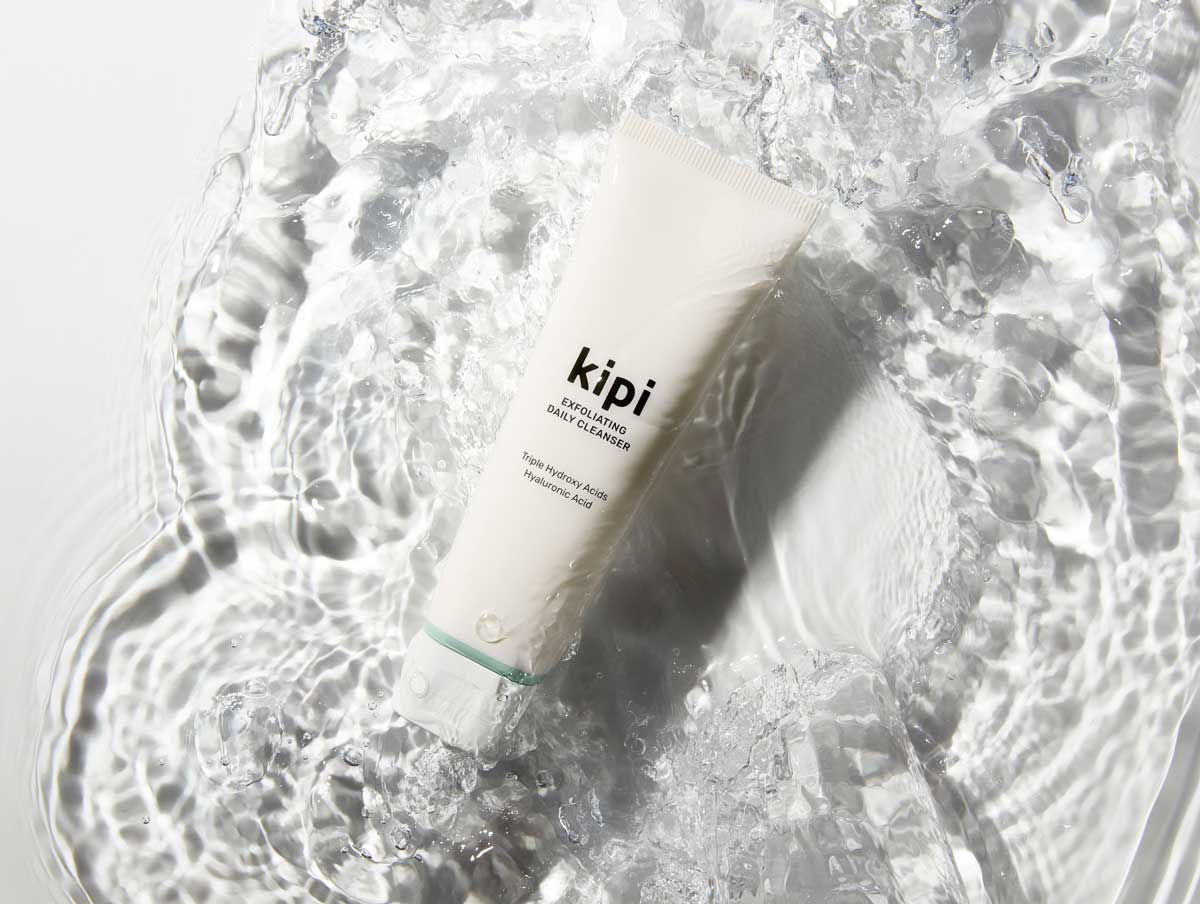
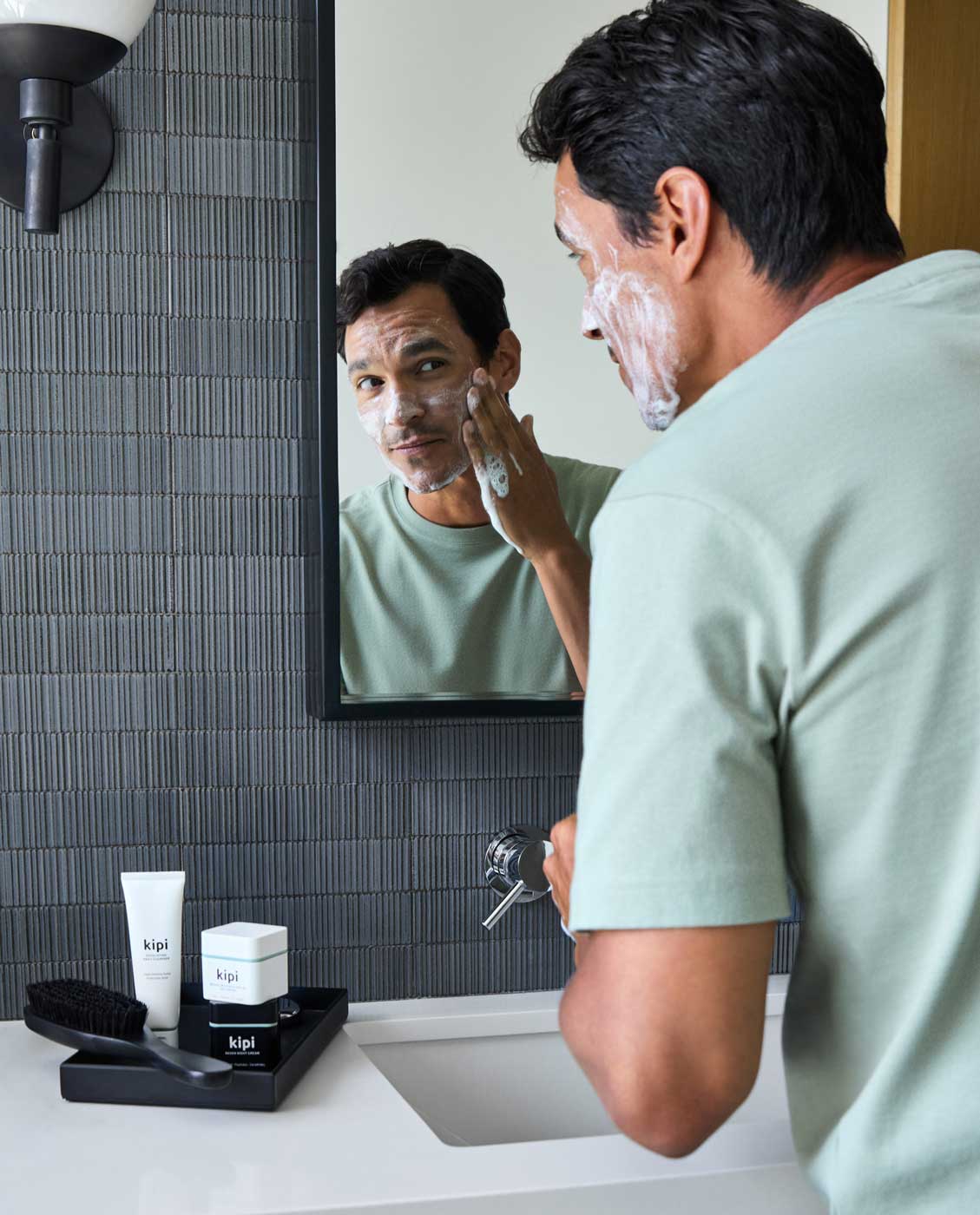
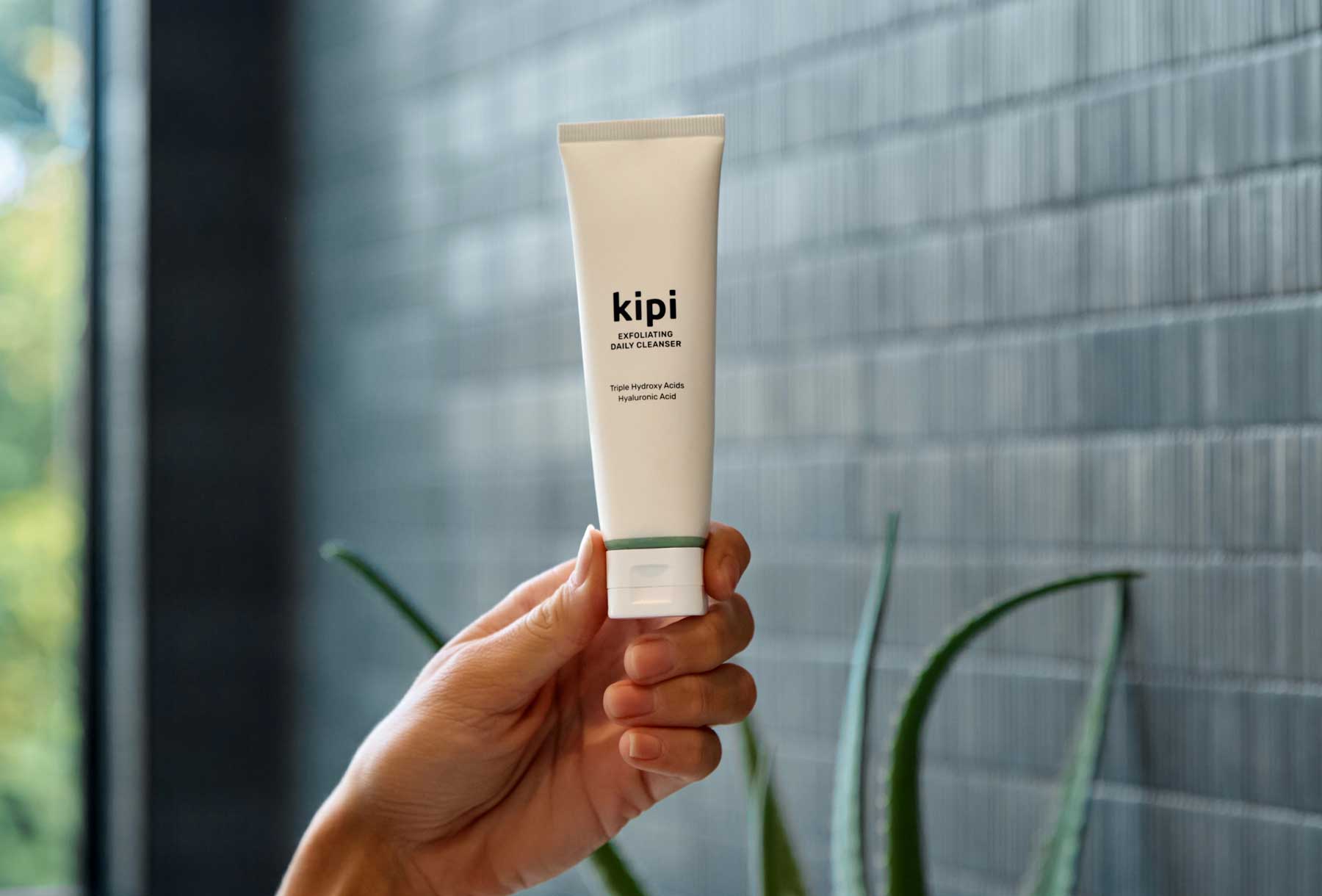
The Kipi Exfoliating Daily Cleanser combines, according to the brand, triple-action hydroxy acids (2.4% total concentration including AHA, BHA, and PHA) with charged hyaluronic acid (0.1%) to exfoliate, remove impurities, and hydrate in one step. Formulated at skin's natural pH of 4.5-5.5, it's designed for use across normal, dry, combination, and oily skin types.
Key cleansing principles:
-
Use lukewarm water—hot water disrupts the barrier and causes inflammation
-
Massage for 20-30 seconds to allow actives to work
-
Rinse thoroughly to prevent residue
-
Pat dry rather than rubbing to avoid mechanical irritation
Exfoliation Secrets from the Runway
Red-carpet glow doesn't happen by accident—it's the result of regular exfoliation that keeps skin texture smooth and light-reflective. Professional makeup artists note that properly exfoliated skin requires less product and looks more polished on camera.
Science: Cell turnover naturally slows with age, leading to buildup of dead cells that create dullness and rough texture. Chemical exfoliants dissolve the bonds holding these cells together, revealing the fresher skin beneath. Benefit: Regular exfoliation maintains clarity, smoothness, and allows better absorption of hydrating and treatment products.
Chemical exfoliation—using acids rather than physical scrubs—delivers more uniform results without the micro-tears that abrasive particles can cause. This is why dermatologists and celebrity facialists have largely shifted to acid-based treatments.
How Often Top Models Exfoliate
Frequency depends on the type and concentration of exfoliant. Gentle daily exfoliation with lower-concentration acids works for most skin types, while stronger treatments require spacing to avoid over-exfoliation.
Dr. Ranella Hirsch, a board-certified dermatologist, explains: "While active ingredients like retinol and vitamin C can be effective, introducing new products gradually helps minimize irritation and maximizes benefits."
Exfoliation guidelines by acid type:
-
AHA (alpha hydroxy acids): Common OTC ranges up to 10%, but daily tolerance varies—start slowly and adjust based on your skin's response
-
BHA (beta hydroxy acid/salicylic acid): 0.5-2% concentration; penetrates oil to clear pores
-
PHA (polyhydroxy acids): Larger molecular size makes them gentler; suitable for sensitive skin daily
Per the Cosmetic Ingredient Review, tolerance to hydroxy acids varies by individual, formulation, and pH—always introduce gradually.
Ingredients That Deliver Red-Carpet Radiance
The Kipi Exfoliating Daily Cleanser features a triple-action hydroxy acid blend: Alpha-Hydroxy Acid Complex (1%) from citrus fruit extracts brightens and gently exfoliates, Beta-Hydroxy Acid Complex (0.4% salicylic acid) refines texture and clears pores, and Gluconolactone USP (1%) provides PHA exfoliation while simultaneously hydrating.
This combination ensures effective exfoliation without the irritation that single-acid, high-concentration products can cause. The formulation is balanced with DL-Panthenol (1%) to soothe and support the skin barrier during the exfoliation process.
Hydration: The Supermodel's Secret Weapon
Plump, dewy skin is the hallmark of model complexions—and hydration is the primary driver of that appearance. Skin biophysical properties, including stratum corneum hydration, decline with age, making proactive hydration increasingly important.
Science: Hyaluronic acid is a humectant that can hold up to 1,000 times its weight in water molecules. When applied topically, it draws moisture into the upper layers of skin and holds it there, creating a plumping effect.
Benefit: Hydrated skin appears smoother, fine lines are less visible, and the complexion looks more radiant and youthful.
Why Hydration Matters More Than Moisturization
Hydration refers to water content within skin cells, while moisturization involves sealing in that water with oils and emollients. Both are necessary, but hydration must come first for moisturizers to be effective.
Moisturizers can improve barrier function (e.g., reduce transepidermal water loss) with regular use, but only when the skin has adequate hydration to begin with. Layering a humectant-rich product before an occlusive moisturizer provides both water and a seal to prevent evaporation.
Layering Hydrators Like a Pro
Professional skincare routines apply products from thinnest to thickest consistency, allowing each layer to absorb before adding the next. Watery essences and serums go on clean skin, followed by creams and oils.
The Kipi Exfoliating Daily Cleanser incorporates 0.1% charged hyaluronic acid—a next-generation form the brand reports is engineered to carry a positive charge that enhances binding of water molecules. This technology aims to deliver hydration that persists after rinsing.
Additional moisture-locking natural sugars (xylitol, xylitylglucoside, anhydroxylitol) form a hydrating matrix on the skin's surface, optimizing water reserves and supporting barrier function for both immediate and long-term hydration.
Building Your Own Science-Backed Routine
Effective skincare doesn't require a celebrity budget or complicated regimen. It requires understanding your skin type, choosing products with proven actives at effective concentrations, and applying them consistently.
Science: The skin's natural repair and maintenance processes respond to consistent support over time. Visible improvements in hydration, texture, and barrier function typically become apparent within 2-4 weeks of regular use.
Benefit: A simple, evidence-based routine delivers measurable results without requiring significant time investment or complicated product layering.
Step-by-Step Framework for Beginners
Step 1: Identify your primary concern – Dryness, oiliness, uneven texture, sensitivity. Choose one to address first.
Step 2: Build the foundation – Cleanser, moisturizer, SPF. These three are non-negotiable regardless of skin type.
Step 3: Add one active treatment – Based on your primary concern. Wait 4 weeks before adding another.
Step 4: Monitor and adjust – Take photos in consistent lighting weekly. Note any changes in texture, clarity, or concerns.
Skin type guidelines:
-
Normal skin: Most products work; focus on prevention and maintenance
-
Dry skin: Cream cleansers, rich moisturizers, humectants like hyaluronic acid
-
Oily skin: Gel cleansers, lightweight moisturizers, BHA exfoliation
-
Combination: Zone treatment—lighter products on oily areas, richer on dry patches
-
Sensitive: Fragrance-free, minimal ingredients, patch test everything
When to Expect Visible Results
According to the brand, the Kipi Exfoliating Daily Cleanser is suitable for normal, dry, combination, and oily skin types and may deliver visible results in hydration and texture within 28 days when used consistently morning and night.
Different concerns resolve at different rates:
-
Hydration improvements: 1-2 weeks
-
Texture refinement: 2-4 weeks
-
Clarity and tone: 4-8 weeks
-
Fine lines (with retinoids): 8-12 weeks
-
Barrier repair: 2-4 weeks with gentle care
Patience and consistency matter more than product quantity. Long-term moisturization improves visible skin health in the majority of users, but benefits accrue gradually.
Sun Protection: The Non-Negotiable
Dermatologists, including the American Academy of Dermatology, recommend daily broad-spectrum SPF 30 or higher, regardless of weather or season.
UV damage is cumulative and occurs even through windows during your commute or office time. Models working under bright photography lights receive additional exposure, making sun protection absolutely essential.
SPF application best practices:
-
Use 1/2 teaspoon for face and neck
-
Apply 15 minutes before sun exposure
-
Reapply every 2 hours if outdoors or sweating
-
Don't forget ears, neck, and décolletage
-
Choose broad-spectrum protection (UVA and UVB)
-
For sensitive skin, mineral sunscreens (zinc oxide/titanium dioxide) are often better tolerated
Nighttime Repair and Recovery
Nighttime is when skin shifts into repair mode. Cell regeneration peaks during sleep, making evening the optimal time for treatment products with active ingredients.
Science: Skin's natural repair cycle accelerates during sleep, with increased cell division and DNA repair processes. Products applied at night work with these natural processes rather than fighting environmental stressors. Benefit: Treatment products penetrate more effectively and work synergistically with the body's own repair mechanisms.
Sleep quality directly impacts skin health. Research shows that poor sleep leads to increased signs of aging, reduced barrier function, and slower healing of skin damage.
Aim for 7-9 hours of quality sleep. A silk or satin pillowcase may help reduce friction, though the primary drivers of skin repair remain sleep duration and quality along with a consistent nighttime routine.
Hydration from Within
Adequate hydration supports overall health. Total daily fluid recommendations are approximately 3.7 L for men and 2.7 L for women from all beverages and foods, according to the National Academies.
Whole-food diets rich in antioxidants and healthy fats, stress management through exercise or meditation, and limited alcohol all support skin health from the inside out.
Frequently Asked Questions
What cleanser does Heidi Klum use in her skincare routine?
Klum hasn't disclosed specific products but emphasizes thorough twice-daily cleansing with gentle, pH-balanced formulas. Dermatologists recommend cleansers formulated around pH 4.5-5.5 with multifunctional benefits like exfoliation and hydration.
How often should you exfoliate like a celebrity?
Frequency depends on acid type and concentration. Lower concentrations (1-2% acids) can often be used daily, while stronger treatments should be limited to 1-3 times weekly. Start slowly and increase only if your skin tolerates it without irritation.
Can you get celebrity skin results without expensive treatments?
Yes. Core principles—daily sunscreen, consistent cleansing, and proven actives like hydroxy acids and retinoids—are accessible at multiple price points. Focus on ingredient quality and concentration rather than luxury packaging for best results.
Is hyaluronic acid safe for daily use in cleansers?
Yes. Hyaluronic acid is generally well tolerated, with allergic reactions being uncommon. It's appropriate for all skin types and safe for daily morning and evening use, working best when followed by a moisturizer.
How long does it take to see results from a science-backed routine?
Hydration improvements appear within 1-2 weeks, texture refinement takes 2-4 weeks, and more significant changes like fine line reduction from retinoids require 8-12 weeks of consistent daily application. Track progress with weekly photos.