When British actor Harris Dickinson became Rhode's first male ambassador in June 2025, it signaled more than a celebrity endorsement—it represented a fundamental shift in how men approach skincare. The campaign deliberately avoided gendered marketing, instead positioning skincare as universal skin health practice: simple, gentle, and science-backed. Dickinson's philosophy aligns with broader market trends showing 65% of men aged 18-34 now prioritize physical appearance, with skincare becoming less about vanity and more about essential maintenance. His approach focuses on multifunctional products that deliver results without complexity—exactly what modern men want.
Harris's partnership with Rhode emphasizes what actually works: cleansing to remove oil and debris, exfoliation to prevent buildup, and hydration to maintain barrier function. Premium formulations like exfoliating cleansers combine these steps into streamlined products that work with skin's natural pH. Whether you're new to skincare or refining an existing routine, understanding how ingredients like hydroxy acids, ceramides, and hyaluronic acid work together makes the difference between guessing and getting results.
Key Takeaways
-
Harris Dickinson's Rhode campaign signals the skincare industry's shift toward gender-neutral, science-backed products focused on skin health rather than gendered beauty
-
Male skincare adoption is accelerating—UK aesthetics doctor Dr Ahmed El Muntasr reports a 400% increase in men visiting his clinic, while Dr Tony Kaliya reports men now make up around 20-30% of his clinic's client base
-
Effective routines prioritize barrier health through ceramide-rich formulations, gentle daily exfoliation, and pH-balanced cleansers
-
The most successful products combine multiple benefits—exfoliation, cleansing, and hydration—in one formula, eliminating decision fatigue
-
Skin barrier science shows 40-50% of barrier lipids are ceramides, making barrier-supporting ingredients essential

Harris Dickinson's Approach: Simplicity Meets Science
What makes Dickinson's skincare philosophy resonate is its rejection of overcomplicated multi-step routines. His Rhode campaign promotes the "one of everything really good" mentality—quality over quantity, results over rituals. This approach reflects male consumer behavior patterns: men want systematic, low-maintenance solutions that actually work.
The gender-neutral positioning matters. By framing skincare as skin health rather than beauty, the campaign removes psychological barriers that previously kept men from developing consistent routines. Dickinson's message is clear: taking care of your skin isn't feminine or vain—it's basic maintenance, like maintaining your car or staying physically fit.
His emphasis on barrier health and gentle exfoliation over aggressive scrubbing represents a science-backed departure from traditional "tough guy" skincare marketed to men. The skin needs support, not assault. Products formulated at the skin's natural pH range of 4.5-5.5 maintain protective function while effectively cleansing.
The Essential Morning Routine: Harris's Streamlined Method
Harris's morning approach centers on efficiency without sacrificing effectiveness. The goal isn't piling on products—it's removing overnight buildup, balancing oil production, and creating a clean base for sun protection.
Your skin produces sebum while you sleep, and dead cells accumulate on the surface. A quick morning cleanse removes these impurities without stripping the protective barrier. The key is choosing a formula that maintains skin's natural pH while cleaning effectively.
Morning essentials:
-
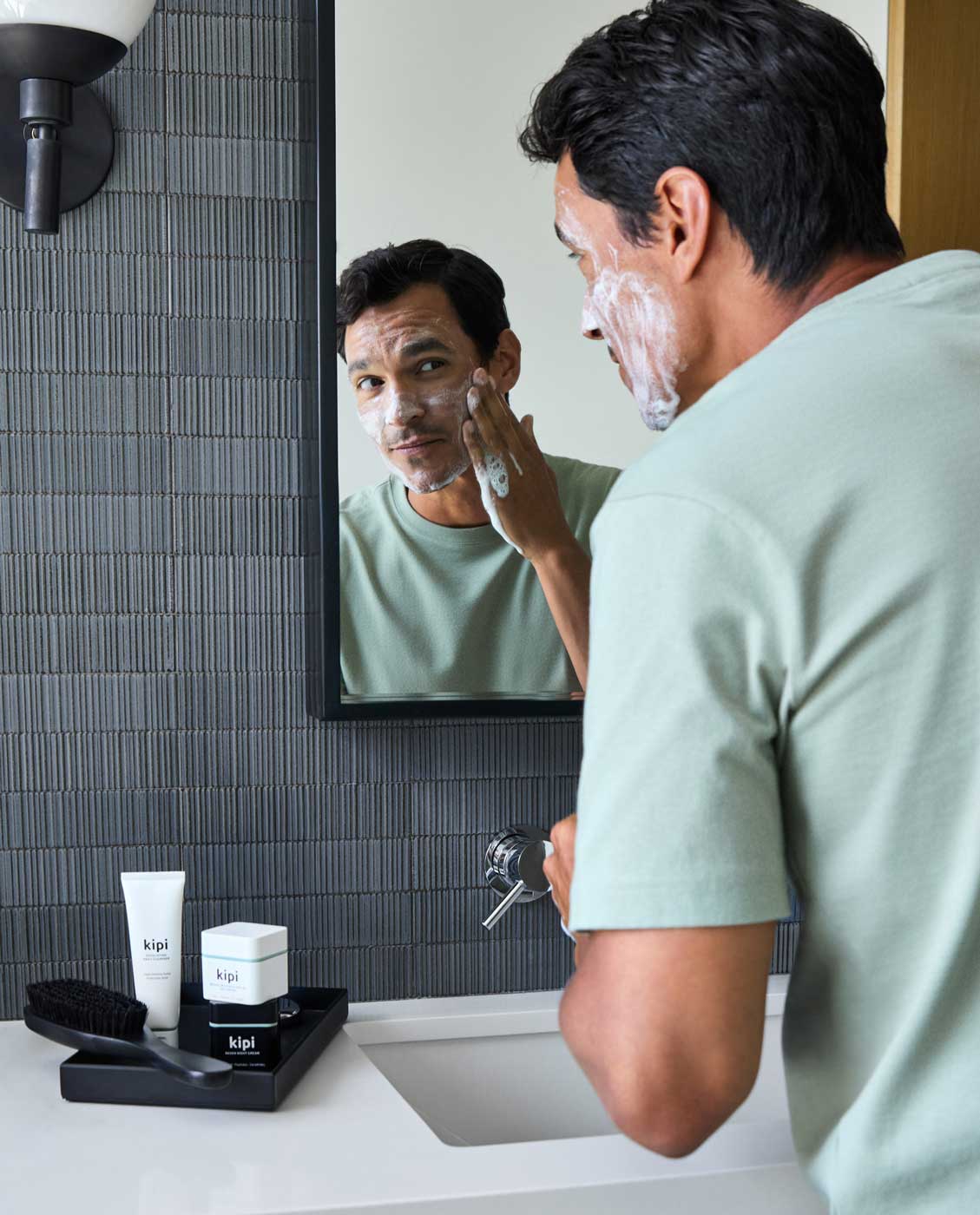
Cleanse for 20-30 seconds using circular motions on damp skin
-
Rinse thoroughly with lukewarm water
-
Pat dry with a clean towel—rubbing causes irritation
-
Apply SPF immediately while skin is slightly damp
The most efficient approach uses a multifunctional cleanser that handles exfoliation and hydration simultaneously. This eliminates separate toners or prep steps, cutting your routine to under two minutes without sacrificing results.
Temperature matters more than most people realize. Hot water feels satisfying but strips protective oils and disrupts barrier function. Lukewarm water opens pores enough for effective cleansing while preserving the lipid layer that keeps moisture locked in.
For men with active lifestyles, morning cleansing also removes workout residue from early gym sessions. Sweat mixed with overnight oil creates an ideal environment for bacterial growth, so thorough cleansing prevents breakouts before they start.
Evening Deep Cleansing: Supporting Overnight Repair
Nighttime is when skin shifts into repair mode. Cellular turnover accelerates during sleep, making evening the optimal window for exfoliation and barrier support. The PM routine should remove the day's accumulation—sunscreen, pollution, excess oil—while supporting overnight regeneration.
The double cleanse method makes sense for most men, especially if you use SPF. First cleanse removes surface debris and oil-based products; second cleanse reaches deeper into pores to clear buildup and prepare skin for renewal.
Evening protocol:
-
First pass: Remove sunscreen and surface oils
-
Second pass: Focus on problem areas—T-zone, jawline, neck
-
Rinse completely with no residue remaining
-
Follow with barrier support if needed
Exfoliation timing matters. Evening use allows acids to work overnight without sun exposure, which can increase photosensitivity. Chemical exfoliants like alpha-hydroxy acids dissolve bonds between dead cells, revealing fresher skin by morning.
The skin's natural repair mechanisms peak between 11 PM and 4 AM. Cellular turnover happens fastest during this window, so providing clean, hydrated conditions maximizes routine benefits.
Men often skip neck cleansing, but the neck shows aging signs earlier than the face due to thinner skin and constant movement. Extend cleansing motions down to the collarbone using the same gentle, circular technique Harris's campaign emphasizes.
Managing Oily Skin: Lessons from Harris's Balanced Approach
Oily skin produces excess sebum, leading to shine, enlarged pores, and increased breakout risk. The instinct to strip skin with harsh cleansers backfires—over-cleansing triggers rebound oil production as skin compensates for lost moisture.
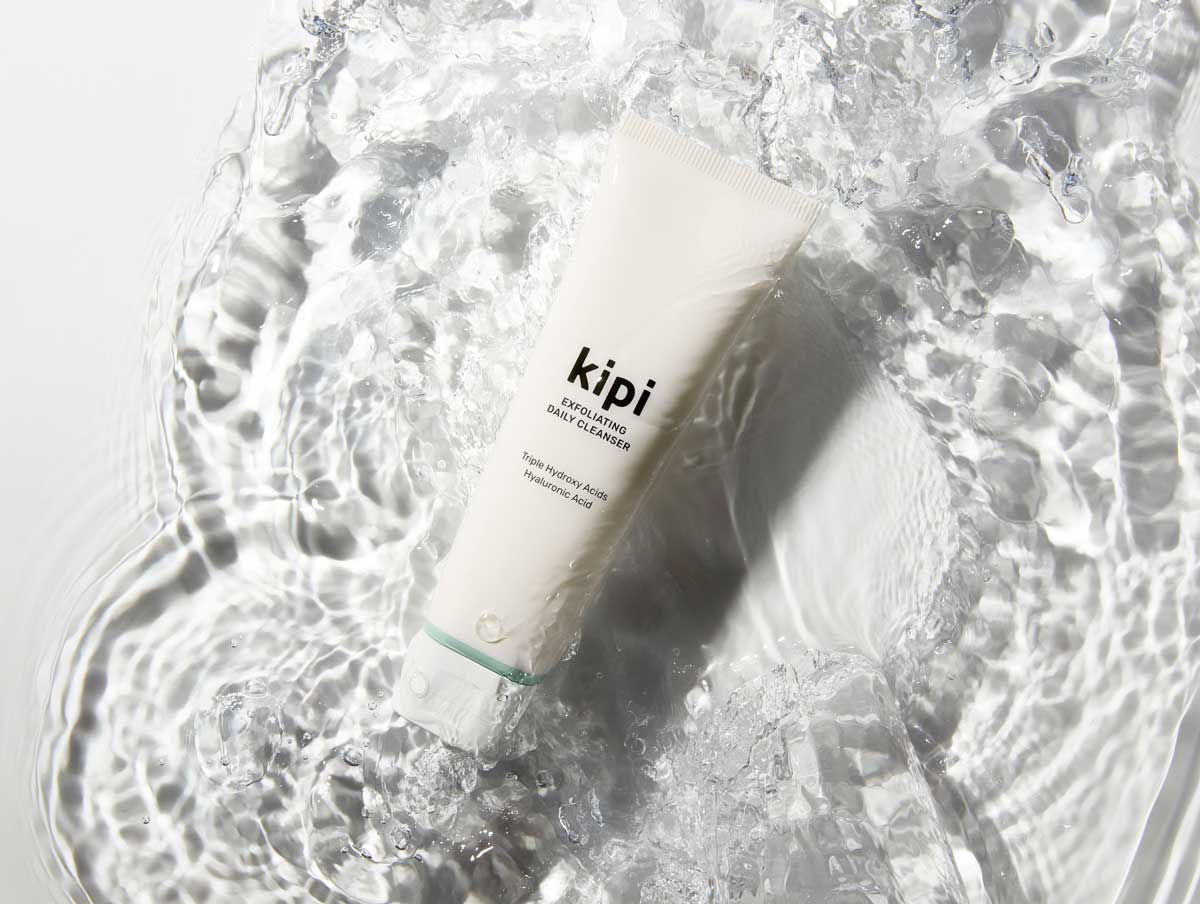
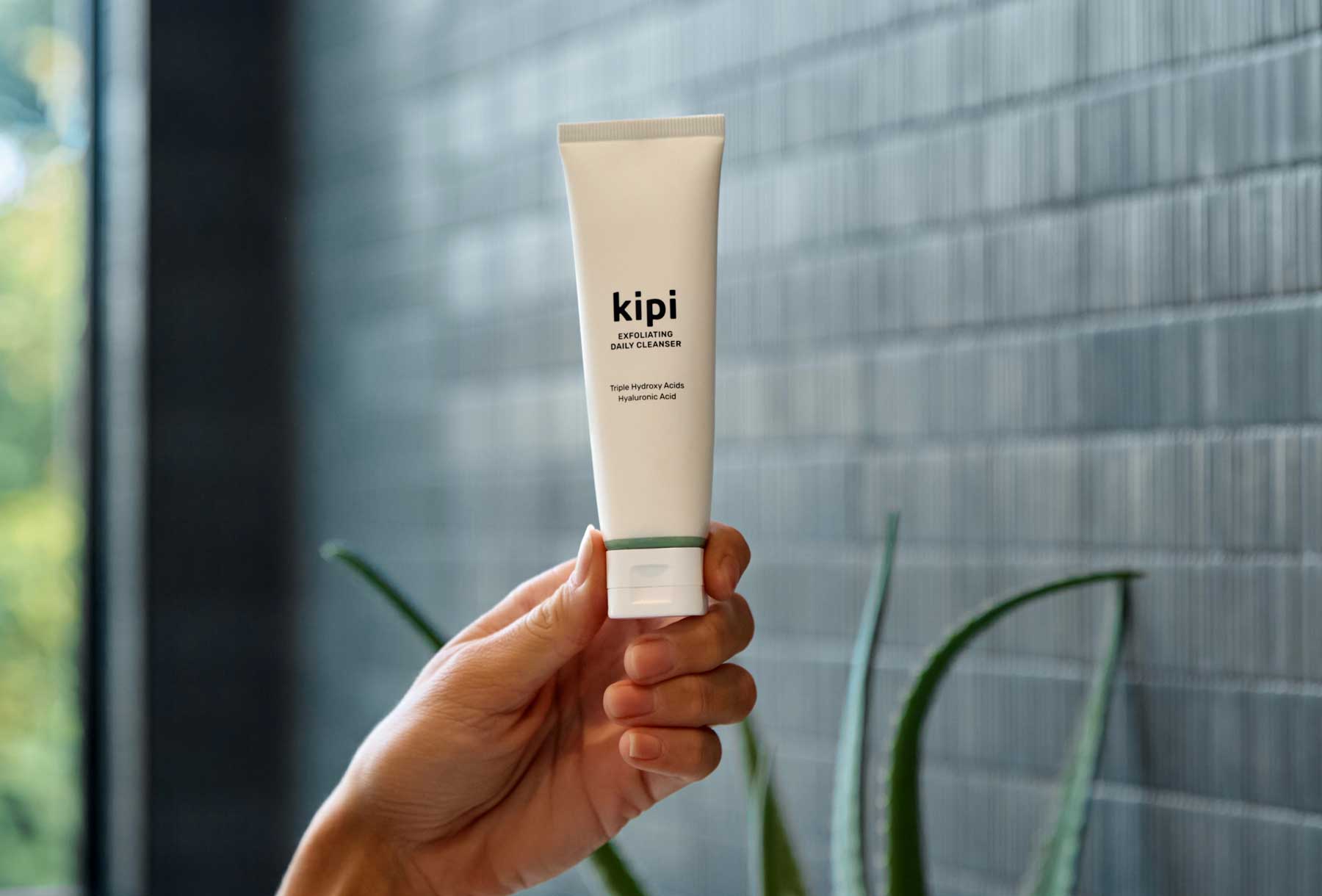
Salicylic acid, a beta-hydroxy acid, penetrates oil-filled pores to dissolve debris and regulate sebum. For example, Kipi's Exfoliating Daily Cleanser uses 0.4% salicylic acid as part of a triple hydroxy-acid blend, refining texture without harshness.
Oil control strategies:
-
Choose pH-balanced cleansers formulated at 4.5-5.5
-
Use non-comedogenic products that won't clog pores
-
Layer lightweight hydration instead of skipping moisturizer
-
Target T-zone with focused exfoliation
The paradox of oily skin is that it still needs hydration. Dehydrated skin overcompensulates by producing more oil. Hyaluronic acid provides moisture without adding oil or heaviness—it's reported to bind up to 1,000 times its weight in water in some formulations.
Men with oily skin often over-exfoliate, thinking aggressive scrubbing will control sebum. Physical exfoliants with rough particles create micro-tears that increase oil production and inflammation. Chemical exfoliants dissolve buildup gently, maintaining skin integrity while clearing pores.
For those looking to control oily skin effectively, consistency matters more than intensity. Daily gentle exfoliation outperforms weekly harsh treatments, keeping pores clear without triggering defensive oil production.
Hydration for Dry Skin: Barrier-First Philosophy
Dry skin struggles with transepidermal water loss—moisture evaporates faster than the barrier can retain it. This leads to tightness, flaking, and increased sensitivity. The solution focuses on barrier repair and moisture retention rather than just adding hydration.
Ceramides form approximately 40-50% of barrier lipids, creating the "mortar" between skin cells. When ceramide levels drop, the barrier weakens and moisture escapes. Replenishing these lipids through topical application helps restore function.
Dry skin essentials:
-
Gentle exfoliation removes flaky layer blocking hydration
-
Humectants like hyaluronic acid draw water into skin
-
Occlusives seal moisture and prevent evaporation
-
Barrier repair ingredients including ceramides and fatty acids
Dry skin needs exfoliation as much as oily skin—maybe more. Dead cell buildup on the surface prevents hydrating products from penetrating. Polyhydroxy acids like gluconolactone exfoliate while simultaneously hydrating, making them ideal for sensitive, dry skin.
Men can cleanse and hydrate simultaneously with properly formulated products. The best cleansers for dry skin leave no tightness or residue, maintaining comfort while effectively removing impurities.
The Science Behind Effective Exfoliation
Harris's approach to exfoliation emphasizes gentleness and consistency over aggressive treatments. Exfoliation removes dead skin cell buildup that dulls complexion, clogs pores, and blocks product penetration. The method matters—physical scrubs create micro-tears, while chemical exfoliants dissolve bonds between cells for gentler, more uniform results.
Alpha-hydroxy acids (AHAs) like glycolic acid work on the skin's surface, brightening and smoothing texture. Beta-hydroxy acids (BHAs) like salicylic acid penetrate oil-filled pores to clear debris from within. Polyhydroxy acids (PHAs) like gluconolactone offer gentler exfoliation while simultaneously hydrating.
Acid mechanisms:
-
AHAs dissolve surface cell bonds for brightness
-
BHAs penetrate pores to clear oil and prevent congestion
-
PHAs exfoliate and hydrate—ideal for sensitive skin
-
Combined acids deliver comprehensive exfoliation without irritation
Daily exfoliation at low concentrations outperforms weekly intensive treatments for most men. A cleanser with around 1% AHA and 0.4% BHA provides consistent surface renewal without the downtime or sensitivity caused by higher-strength peels.
The skin barrier structure functions like a brick wall—keratinocytes (bricks) bound by lipid mortar. Gentle exfoliation removes the outermost damaged bricks while preserving underlying structure, unlike harsh scrubbing that compromises the entire wall.
Men's skin produces more sebum than women's on average, making pore-clearing exfoliation particularly beneficial. BHA's oil-solubility allows it to penetrate sebaceous follicles and prevent buildup that leads to blackheads and breakouts.
Building Consistency: Harris's Habit-Forming Strategy
Results require consistency. Skin operates on approximately 28-day cell turnover cycles, meaning you need at least four weeks of regular use before judging whether a routine works. Habit formation, not occasional effort, drives visible improvement.
The 2025 men's beauty trends show growing normalization of professional facials and regular skincare routines. This represents a fundamental shift from reactive problem-solving to proactive maintenance—exactly what Harris's campaign promotes.
Building sustainable habits:
-
Anchor to existing routines like brushing teeth
-
Keep products visible in bathroom for visual reminders
-
Track consistency for the first 28 days
-
Start minimal with just cleansing, then add complexity
Bathroom organization reduces friction. Products left in cabinets get forgotten. Keeping your cleanser next to your toothbrush creates a visual trigger that reinforces the habit.
The timeline for visible results varies by concern. Hydration improvements appear within days, texture smoothing takes 2-3 weeks, and barrier repair requires 4-6 weeks of consistent use. Understanding these timeframes prevents premature routine abandonment.
Men often approach skincare sporadically—using products when they remember or when skin looks bad. This reactive approach fails because cellular processes need sustained support. Building a one-step routine reduces complexity while maintaining effectiveness.
Adjusting Your Routine: Seasonal and Lifestyle Factors
Harris's approach acknowledges that skin needs change with environment, activity level, and life circumstances. A rigid routine ignores the dynamic nature of skin health, while responsive adjustments maintain optimal function across conditions.
Seasonal transitions stress skin as humidity, temperature, and indoor heating change. Winter's dry air increases transepidermal water loss, requiring enhanced hydration. Summer's heat and humidity may demand lighter formulations and improved oil control.
Adaptive triggers:
-
Climate shifts requiring hydration adjustments
-
Increased physical activity demanding post-workout cleansing
-
Travel exposing skin to new water and air conditions
-
Stress periods potentially triggering breakouts
-
Aging changing oil production over time
Post-workout protocols prevent sweat-induced breakouts. Exercise increases body temperature and sweat production, creating ideal bacterial growth conditions. Cleansing within 30 minutes of finishing exercise removes buildup before pores clog.
sebum production increases during warmer months, particularly in humid climates, which can worsen shine and congestion. During high-stress periods, simplifying routines and focusing on barrier support prevents stress-induced skin problems.
Activity level changes demand routine adjustments. Gym-goers need immediate post-workout cleansing, while sedentary periods may allow reduced frequency. Matching routine intensity to lifestyle prevents both over- and under-care.
Frequently Asked Questions
Can I use the same products year-round?
Seasonal adjustment makes sense for most men. Winter typically requires increased hydration as indoor heating and cold air strip moisture from skin. Summer might call for lighter formulations or enhanced oil control, especially in humid climates. A multifunctional cleanser that balances exfoliation with barrier support typically works across seasons, making it the anchor of an adaptable routine like Harris advocates.
How long does it take to see improvements?
Skin operates on approximately 28-day cell turnover cycles, so visible texture improvements typically appear within 2-4 weeks of consistent use. Surface hydration shows results within days—skin feels softer and looks less dull almost immediately. The timeline varies based on starting condition and product consistency. Daily use matters more than product strength—gentle, consistent exfoliation outperforms sporadic intensive treatments.
Should I wash my face after working out?
Wash immediately after exercise, even if it's outside your normal routine schedule. Sweat mixed with bacteria and oils creates an ideal breakout environment. Letting this sit on skin for hours while waiting for your evening routine dramatically increases congestion risk.
What's the difference between purging and breaking out?
Breaking out from product incompatibility shows up in new areas where you don't normally have issues. Location and timeline distinguish the two. Purging concentrates in your usual problem zones and improves after 4 weeks. Reactions appear anywhere and persist or worsen beyond 6 weeks.
Is expensive skincare worth the investment?
Price doesn't automatically indicate quality, but formulation sophistication often correlates with cost. The difference lies in ingredient concentrations, delivery systems, and formulation elegance.