Comprehensive market intelligence compiled from extensive research on the global exfoliation market, clinical efficacy studies, and emerging consumer behavior trends
Consumer preference data reveals chemical exfoliants now dominate the market with an estimated 70% market share, while clinical studies demonstrate measurable skin improvements including 10-17% pore factor enhancement within just one week of consistent use. For brands committed to premium skincare simplified through multifunctional, science-backed formulations, understanding these market dynamics reveals substantial opportunities where chemical exfoliants, sustainable formulations, and streamlined routines are reshaping consumer preferences. This data-driven analysis examines 25 critical statistics that define the current exfoliation landscape and illuminate pathways for brands delivering visible results through advanced exfoliating cleansers that combine triple-action hydroxy acids with lasting hydration.
Key Takeaways
-
Clinical efficacy validates exfoliation as essential for visible skin improvement – Studies demonstrate 10-17% improvement in pore factors including blackheads, whiteheads, and pore volume after just one week of consistent exfoliation, with texture refinement reaching statistical significance at 6.47% improvement, establishing exfoliation as a cornerstone of effective skincare routines
-
Chemical exfoliants dominate with an estimated 70% market share as consumers shift to science-backed solutions – Chemical exfoliants command approximately 70% of the exfoliators market versus 30% for physical scrubs, reflecting consumer preference for gentle, proven formulations featuring alpha-hydroxy acids, beta-hydroxy acids, and polyhydroxy acids over harsh physical abrasives
-
Exfoliation market expansion outpaces general skincare growth – The global exfoliators market is projected to reach approximately $11-12 billion by 2030 with strong compound annual growth rates, demonstrating sustained consumer prioritization of exfoliation within broader skincare spending
-
Sustainable and clean formulations transition from niche to mainstream – A significant majority of consumers express preference for eco-friendly and sustainable skincare products, validating demand for vegan, cruelty-free exfoliating formulations with transparent ingredient profiles
-
Regular exfoliation becomes routine standard for majority of consumers – Approximately 63% of consumers use exfoliating products at least once weekly, establishing regular exfoliation as foundational skincare practice and creating sustained demand for gentle, daily-use formulations that support consistent routines without over-exfoliation risks
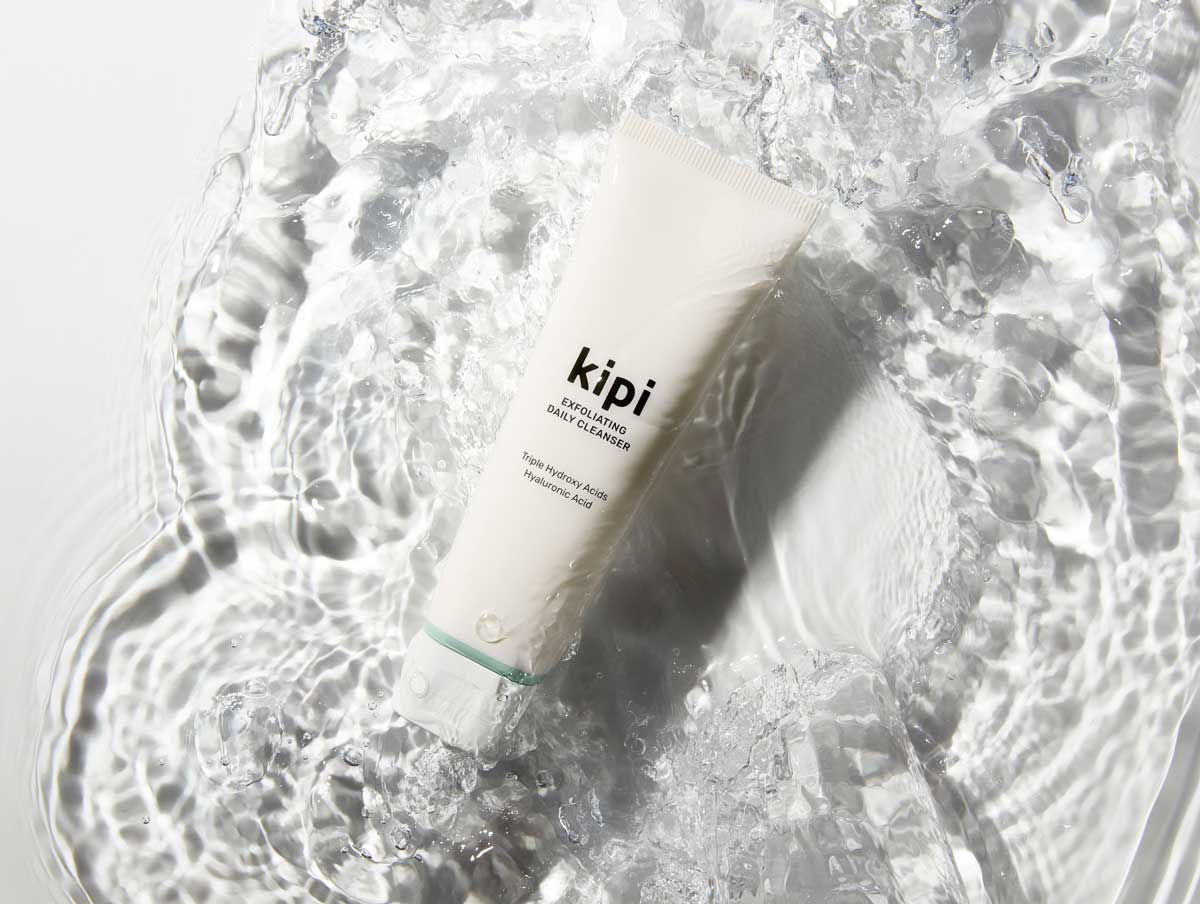
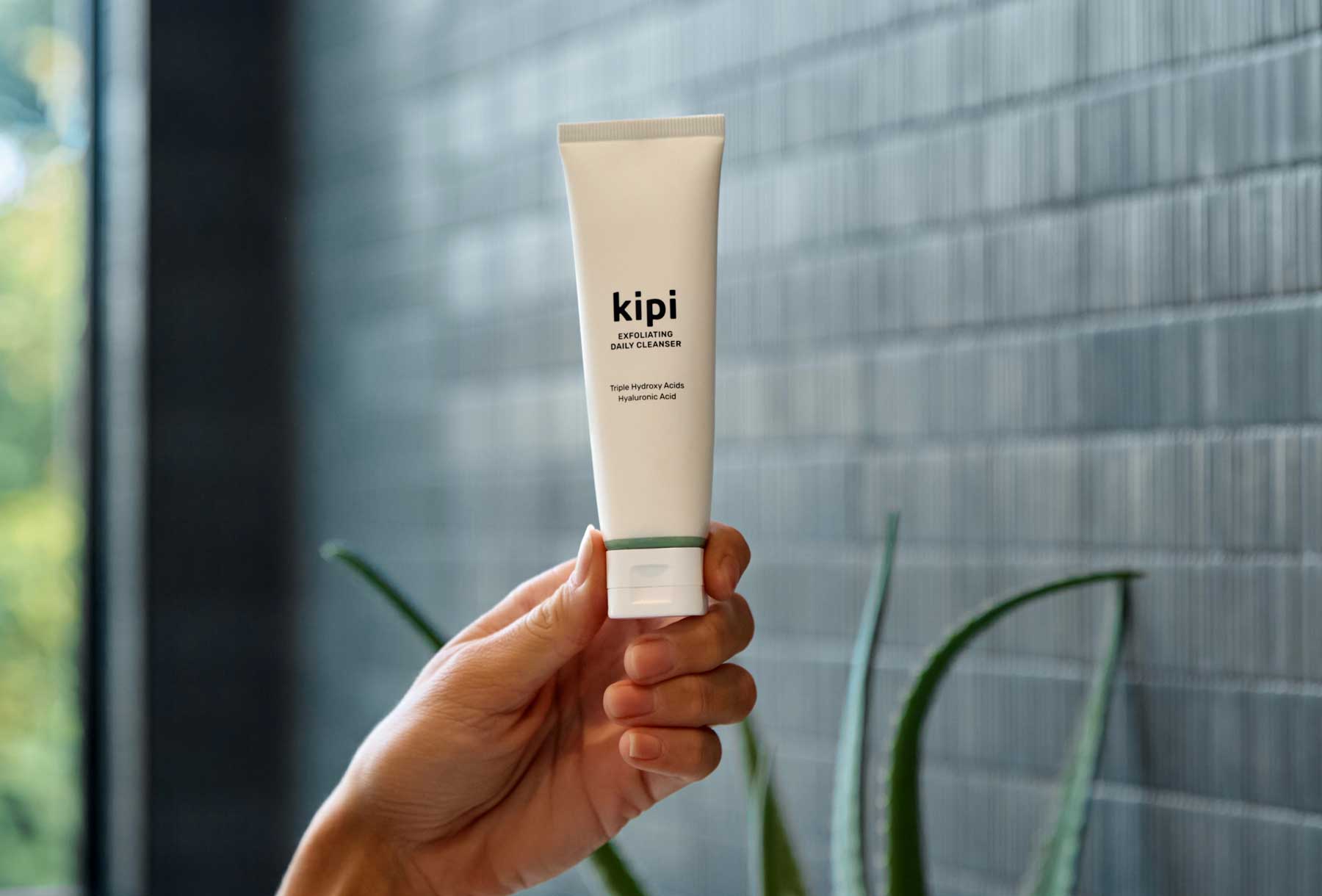
[[product_tile:exfoliating-daily-cleanser]]
Global Exfoliation Market Size and Growth Projections
1. Global exfoliators market projected to reach approximately $11-12 billion by 2030
Market analysts forecast the global exfoliators market will reach an estimated $11-12 billion by 2030, representing strong compound annual growth from current baseline valuations. This trajectory indicates exfoliation products will continue expanding faster than general skincare segments, driven by increasing consumer awareness of skin cell turnover benefits, growing preference for chemical over physical exfoliation, and innovation in gentle yet effective formulations. The projected growth creates sustained opportunities for brands developing daily-use exfoliating cleansers that consumers can incorporate into morning and night routines without barrier damage concerns. Formulations featuring balanced pH levels between 4.5-5.5 align with this growth trajectory by supporting consistent, safe exfoliation practices. Source: Grand View Research
2. Exfoliating scrubs and peels market valued at approximately $6 million in 2025
The exfoliating scrubs and peels segment achieved an estimated market value around $6 billion during 2025, encompassing both physical and chemical exfoliation products across wash-off and leave-on formats. This substantial valuation demonstrates consumer willingness to invest in specialized exfoliation treatments beyond basic cleansing, creating premium positioning opportunities for products delivering clinical-grade results through dermatologist-backed formulations. The market encompasses diverse product types including AHA peels, BHA treatments, enzymatic exfoliants, and multifunctional cleansers that combine immediate exfoliation with hydration benefits. Brands offering rich, creamy formulas that rinse clean without residue or tightness capture share within this high-value segment. Source: Future Market Insights
3. Exfoliating scrubs and peels projected to achieve approximately 8% compound annual growth through 2035
The exfoliating scrubs and peels segment demonstrates robust compound annual growth rates projected around 8% from 2025 through 2035, indicating strong market expansion over the decade. This growth rate exceeds general skincare market expansion, indicating exfoliation's increasing importance within consumer routines and willingness to invest in effective formulations. The sustained growth trajectory favors brands offering subscription models with auto-delivery, enabling consistent usage patterns that maximize product efficacy while building customer lifetime value. Products formulated for daily use—gentle enough for morning and night application—align with this growth trend by supporting routine integration rather than sporadic treatment approaches. Source: Future Market Insights
Clinical Efficacy and Performance Metrics
4. Clinical studies demonstrate 10-17% improvement in pore factors after one week
Rigorous clinical research documents 10-17% improvement in pore-related factors including blackheads, whiteheads, and pore volume after just one week of consistent exfoliating cleanser use. This measurable improvement validates exfoliation's effectiveness for addressing fundamental skin concerns that impact appearance and texture. The rapid timeframe—visible results within seven days—aligns with consumer expectations for noticeable outcomes and supports marketing claims emphasizing visible results within 28-day periods. Formulations combining beta-hydroxy acids like salicylic acid, which refine skin texture and remove debris from pores, with alpha-hydroxy acid complexes that brighten and exfoliate, deliver the comprehensive pore improvement documented in clinical settings. Source: PMC National Institutes of Health
5. Texture improvement reaches 6.47% statistical significance in one week
Clinical studies document statistically significant texture improvement of 6.47% (p < 0.001) after one week of consistent exfoliation, providing scientific validation for consumer-perceived smoothness benefits. The statistical significance threshold (p < 0.001) indicates this improvement occurs with 99.9% confidence, establishing exfoliation's efficacy beyond subjective perception. Texture refinement results from removal of dead skin cells that create rough, uneven surface appearance, revealing the fresh, smooth skin underneath. Products featuring gluconolactone polyhydroxy acid, which exfoliates while simultaneously hydrating skin, deliver texture improvement without the irritation potential of higher-concentration acid treatments. Source: PMC National Institutes of Health
6. Acne improvement documented in 50% of patients after six weeks
Clinical research examining exfoliation's acne benefits demonstrates that 50% of patients showed improvement after the third treatment session, representing six weeks of twice-weekly exfoliation. This substantial response rate validates exfoliation's role in acne management by clearing pores, removing debris that contributes to comedone formation, and reducing the impurities that trigger inflammatory responses. The twice-weekly frequency used in the study aligns with dermatological recommendations for therapeutic exfoliation, though daily-use formulations with gentle acid concentrations enable more consistent exfoliation without over-treatment risks. Beta-hydroxy acids like salicylic acid penetrate oil-filled pores, making them particularly effective for acne-prone skin types. Source: PMC National Institutes of Health
Consumer Usage Patterns and Behavior Statistics
7. Approximately 63% of consumers use exfoliating products at least weekly
Market research documents that around 63% of consumers incorporate exfoliating products into routines at least once weekly, establishing regular exfoliation as mainstream skincare practice rather than occasional treatment. This adoption rate reflects growing consumer education about cell turnover benefits, increasing availability of gentle daily-use formulations, and dermatologist recommendations emphasizing consistent exfoliation for skin health. The weekly-or-more frequency creates sustained demand for products consumers can safely use repeatedly without over-exfoliation concerns. Formulations gentle enough for morning and night use—featuring balanced acid concentrations and hydrating ingredients like pro-vitamin B5—support the consistent usage patterns that maximize exfoliation benefits. Source: Grand View Research
8. A significant majority of consumers prefer eco-friendly and sustainable skincare products
Consumer preference research identifies a substantial majority of skincare purchasers expressing preference for eco-friendly and sustainable products, reflecting fundamental shifts in purchasing criteria beyond efficacy and price considerations. This majority preference establishes sustainability as mainstream expectation rather than niche concern, creating competitive advantages for brands emphasizing vegan formulations, cruelty-free testing practices, and ethical manufacturing. The preference validates positioning around ingredients like naturally-sourced alpha-hydroxy acid complexes from citrus fruits, beta-glucan derived from oats, and acacia senegal gum from sustainable plant sources. Brands transparently communicating their commitment to ethical practices and environmental responsibility align with this dominant consumer preference. Source: Fortune Business Insights
9. Multi-step skincare routines practiced by a substantial portion of Asian consumers
Asian skincare markets, influential in global beauty trends, document high adoption rates of multi-step skincare routines that typically include dedicated exfoliation steps. This widespread adoption demonstrates exfoliation's perceived value within markets emphasizing comprehensive skin health approaches. However, the trend simultaneously reveals opportunities for simplified alternatives—multifunctional products delivering exfoliation, cleansing, and hydration in single steps appeal to consumers seeking Asian skincare benefits without extensive time investment. Formulations combining triple-action hydroxy acids with charged hyaluronic acid deliver results comparable to separate exfoliation and hydration steps, aligning with both efficacy expectations and efficiency desires. Source: Fortune Business Insights
10. Approximately 60% of consumers seek products enhancing relaxation and self-care rituals
Consumer research documents around 60% of skincare purchasers indicating preference for products that enhance relaxation and support self-care rituals, reflecting the emotional and experiential dimensions of skincare beyond functional benefits. This preference creates opportunities for sensory-rich formulations featuring natural fragrances, luxurious textures, and ritual-supporting formats. Products with rich, creamy formulas that create satisfying lather, natural citrus-herb fragrances from essential oils like bergamot and lemon peel, and ritual-enabling TSA carry-on approved sizes align with this consumer desire. The self-care positioning complements efficacy messaging by addressing both the results consumers seek and the experience they desire during application. Source: Market.us
Product Type Market Share and Format Preferences
11. Chemical exfoliants capture approximately 70% market share versus 30% physical
Market analysis reveals chemical exfoliants command an estimated 70% of the exfoliators market while physical exfoliants represent around 30% of sales, demonstrating clear consumer and professional preference for acid-based formulations over scrubs with abrasive particles. This distribution reflects increasing awareness that chemical exfoliation delivers more uniform results with lower irritation risk compared to physical scrubs that can create microtears when used too aggressively. The dominance of chemical formulations validates product development emphasizing alpha-hydroxy acids, beta-hydroxy acids, and polyhydroxy acids rather than physical beads or granules. Dermatologist recommendations increasingly favor chemical approaches, particularly for sensitive skin types and inflammatory conditions where physical scrubbing proves counterproductive. Source: Grand View Research
12. Physical exfoliators forecast to grow at approximately 9% CAGR through 2030
Despite chemical exfoliants' market dominance, physical exfoliators project around 9% compound annual growth rate from 2024 through 2030, indicating sustained demand for tactile exfoliation experiences. This growth rate suggests physical formats are experiencing revival through innovation in gentler formulations and sustainable alternatives to plastic microbeads. The trend creates opportunities for hybrid products combining gentle physical components—like biodegradable jojoba beads or rice powder—with chemical exfoliants for consumers seeking both immediate tactile feedback and deep renewal. However, the physical segment's minority market share reinforces chemical exfoliation as the primary growth driver. Source: Grand View Research
13. Leave-on toner and serum formats forecast to hold substantial market share
Leave-on exfoliating formats including toners and serums project substantial market share, representing a significant portion of exfoliation product sales despite wash-off cleansers maintaining majority share. The leave-on segment's strength reflects consumer adoption of layered skincare approaches and professional recommendations for overnight acid treatments. However, the statistic simultaneously validates wash-off formats' continued relevance, particularly for consumers seeking exfoliation without additional routine steps. Multifunctional cleansers delivering comparable exfoliation to leave-on products while requiring no additional application time appeal to efficiency-oriented consumers. Products featuring appropriate acid concentrations for rinse-off application balance efficacy with safe daily use. Source: Future Market Insights
14. Exfoliating masks anticipated to grow at approximately 10% CAGR through 2030
Exfoliating masks represent one of the fastest-growing product formats within the exfoliators category, projecting around 10% compound annual growth rate from 2024 through 2030. This exceptional growth reflects consumer interest in treatment-oriented exfoliation experiences beyond daily cleansing, creating premium positioning opportunities for intensive formulations. However, the mask segment's growth simultaneously highlights opportunities for daily-use products that deliver comparable exfoliation without requiring dedicated treatment sessions. Consumers seeking mask-like results in streamlined formats represent addressable market segments for advanced daily exfoliating cleansers that combine efficacy with convenience. Source: Grand View Research
Regional Market Analysis and Distribution Channels
15. Asia Pacific dominates skincare market with 51.58% share
Asia Pacific controls 51.58% of global skincare market share, representing the largest regional market for skincare products including exfoliants. This dominance reflects population density, cultural prioritization of skincare within beauty routines, rising disposable incomes, and innovation leadership from countries including South Korea, Japan, and China. While Asia Pacific leads market size, the region's influence extends to global trend-setting, with innovations frequently originating in East Asian markets before achieving worldwide adoption. However, Western brands compete effectively by emphasizing dermatologist-backed science, clinical testing, transparent ingredient disclosure, and manufacturing quality standards that resonate with premium-oriented consumers globally. Source: Fortune Business Insights
16. E-commerce exfoliator sales growing at approximately 8% CAGR through 2030
E-commerce distribution channels for exfoliators expand at an estimated 8% compound annual growth rate through 2030, exceeding overall market growth and indicating continued digital channel preference among consumers. This growth trajectory reflects consumer comfort purchasing skincare online, effectiveness of digital product education, and convenience of subscription-based auto-delivery models. The e-commerce emphasis creates competitive advantages for direct-to-consumer brands offering transparent ingredient information, educational content explaining exfoliation science, and flexible subscription options. Products shipping within 1-2 business days with free shipping and returns align with e-commerce consumer expectations while subscription models saving 20% build recurring revenue and customer lifetime value. Source: Grand View Research
17. Oily skin formulations account for an estimated 35% of exfoliators market share
Exfoliating products formulated specifically for oily skin represent approximately 35% of market share, establishing oil control as a significant skin type consideration for exfoliation purchases. This concentration reflects oily skin's particular responsiveness to exfoliation—beta-hydroxy acids' lipid solubility enables penetration into oil-filled pores, removing debris and excess sebum that contribute to shine and breakouts. However, the statistic simultaneously indicates around 65% of exfoliator purchases serve other skin types, validating formulations designed for normal, dry, combination, and sensitive skin. Products formulated for all skin types—balancing effective exfoliation with hydration support through charged hyaluronic acid and pro-vitamin B5—address the full market rather than limiting appeal to single skin type segments. Source: Grand View Research
18. U.S. exfoliating scrubs and peels market valued at over $1 billion
The United States exfoliating scrubs and peels market achieved over $1 billion in market value, representing a substantial portion of the global market for these product categories. This significant share reflects American consumers' willingness to invest in premium exfoliation products, established skincare routine practices, and widespread professional recommendations from dermatologists and aestheticians. The U.S. market's maturity creates opportunities for brands differentiating through innovative formulations, transparent ingredient communication, and science-backed efficacy claims. Products manufactured domestically with rigorous quality standards, formulated at skin's natural pH, and supported by clear active ingredient explanations resonate with U.S. consumers' evidence-oriented purchasing approaches. Source: Future Market Insights
Skin Biology and Exfoliation Science
19. Cell turnover extends from 20 days in young adults to 30+ days in older adults
Skin biology research documents cell turnover rates extending from approximately 20 days in young adults to 30 or more days in older adults, representing 50% or greater slowdown in natural renewal processes with aging. This fundamental biological change creates an increasing need for exfoliation support as skin matures, since slower turnover results in accumulation of dead surface cells that contribute to dull appearance, rough texture, and impaired product absorption. The age-related slowdown validates exfoliation as particularly beneficial for mature skin, though younger consumers also benefit from supporting optimal turnover rates. Consistent exfoliation using gentle formulations suitable for daily use helps maintain skin renewal regardless of age-related biological changes. Source: PubMed
20. Professional skin resurfacing procedures experienced growth in recent years
Professional skin resurfacing procedures including chemical peels, microdermabrasion, and laser treatments have expanded in recent years, indicating sustained consumer interest in advanced exfoliation beyond at-home products. This growth reflects willingness to invest in intensive treatments for addressing significant skin concerns including deep wrinkles, acne scarring, and pronounced hyperpigmentation. However, the professional treatment growth simultaneously validates opportunities for effective at-home alternatives—daily-use products delivering gradual improvement without procedure downtime, discomfort, or expense. Formulations featuring clinically-effective acid concentrations appropriate for unsupervised use enable consumers to achieve professional-grade exfoliation benefits through consistent home application, complementing rather than replacing periodic professional treatments. Source: Mordor Intelligence
Consumer Demographics and Skin Concerns
21. Approximately 50% of global population considers their skin sensitive
Sensitive skin affects an estimated 50% of the global population, establishing gentle formulation as a requirement for mass-market appeal rather than niche segment addressing. This prevalence indicates that harsh physical scrubs, high-concentration acids, and synthetic irritants limit addressable markets significantly. Formulations balanced at natural skin pH with polyhydroxy acids like gluconolactone deliver effective exfoliation gentle enough for daily use across sensitive skin types without causing redness or irritation. Source: Market.us
22. Around 45% of Americans have some form of hyperpigmentation
Hyperpigmentation concerns affect approximately 45% of the US population, creating substantial demand for products addressing uneven skin tone, dark spots, and discoloration. Alpha-hydroxy acids like those derived from citrus fruits support cellular turnover that gradually reduces visible pigmentation through accelerated surface cell renewal. Regular exfoliating cleanser use addresses this widespread concern while delivering simultaneous benefits for texture, pores, and hydration. Source: Market.us
23. Approximately 85% of people ages 12-24 experience acne
Acne affects an estimated 85% of individuals between ages 12-24, establishing pore clearing and sebum management as universal concerns across adolescent and young adult demographics. Beta-hydroxy acids like salicylic acid penetrate pores to remove debris and refine texture, addressing this widespread concern through gentle daily cleansing rather than harsh spot treatments. Formulations combining pore-clearing acids with hydrating actives prevent the over-drying that triggers compensatory oil production worsening acne cycles. Source: Market.us
24. Around 75% of women over 40 are concerned about aging signs
Aging concerns affect approximately 75% of women over 40, creating substantial demand for products addressing fine lines, wrinkles, and loss of firmness. Chemical exfoliants accelerate cellular turnover to restore youthful renewal rates, while hydrating actives like charged hyaluronic acid support moisture retention that diminishes with age. Daily exfoliating cleansers formulated with anti-aging actives address multiple aging concerns through streamlined routines that fit busy lifestyles. Source: Market.us
25. Facial cleansers used regularly by a substantial majority of consumers
Facial cleanser adoption reaches a substantial majority of skincare consumers, establishing cleansing as the most universal skincare practice across demographics and routine complexities. This high adoption rate indicates that cleanser selection represents the most impactful product decision consumers make, as daily cleansing forms the foundation upon which all subsequent skincare steps build. Multifunctional cleansers delivering exfoliation, impurity removal, and hydration in single applications maximize value within this universally-adopted product category. Source: Market.us
The Bottom Line
Clinical data shows measurable improvements in pores, texture, acne, and overall clarity within short timeframes, while market behavior reveals strong preference for chemical acids, clean formulations, and products suitable for sensitive skin. These shifts align closely with how Kipi approaches exfoliation—through a single, balanced formula that combines exfoliating acids, hydration, and skin-barrier support.
The Exfoliating Daily Cleanser reflects many of the trends highlighted in the data: controlled acid blends instead of abrasive scrubs, naturally derived ingredients, pH-aligned formulation, and a focus on daily, gentle renewal rather than intensive multi-step treatments. As consumers look for exfoliation that fits into both morning and evening routines, Kipi’s emphasis on simplicity, transparency, and consistent results places its approach in line with broader industry movement toward streamlined, science-driven skincare.
[[product_tile:exfoliating-daily-cleanser]]
Frequently Asked Questions
How often should I exfoliate my face for optimal results?
Clinical studies demonstrate visible improvements including 10-17% pore factor enhancement and 6.47% texture refinement within one week of consistent exfoliation, validating daily use for appropriate formulations. Products gentle enough for morning and night application—featuring balanced acid concentrations like 1% alpha-hydroxy acid complex, 0.4% beta-hydroxy acid, and 1% polyhydroxy acid—support the consistent usage patterns that maximize exfoliation benefits without over-treatment risks. Dermatologists recommend exfoliating at least once daily, with some consumers benefiting from twice-daily application depending on skin type and product formulation.
What is the difference between chemical and physical exfoliation?
Chemical exfoliants command approximately 70% market share versus 30% for physical exfoliants, reflecting professional preference for acid-based formulations that deliver more uniform results with lower irritation risk. Chemical exfoliation uses alpha-hydroxy acids, beta-hydroxy acids, and polyhydroxy acids to dissolve the bonds holding dead skin cells, while physical exfoliation relies on abrasive particles or tools to manually scrub away surface debris. Chemical approaches penetrate deeper for comprehensive renewal, work effectively for sensitive skin, and avoid the microtear risks associated with aggressive physical scrubbing.
Are exfoliating products suitable for sensitive skin?
Formulations featuring polyhydroxy acids like gluconolactone deliver effective exfoliation while simultaneously hydrating skin, making them particularly suitable for sensitive types. Clinical research documents statistically significant improvements without irritation when products are formulated at skin's natural pH between 4.5-5.5 and combine exfoliating acids with soothing ingredients like pro-vitamin B5. The estimated 63% of consumers using exfoliating products at least weekly includes all skin types, indicating gentle formulations enable safe consistent use across sensitivity levels.
Can exfoliation help with acne and breakouts?
Clinical studies document 50% of acne patients showing improvement after six weeks of twice-weekly exfoliation, validating exfoliation's effectiveness for acne management. Beta-hydroxy acids like salicylic acid prove particularly beneficial due to lipid solubility enabling penetration into oil-filled pores, removing the debris and excess sebum that contribute to comedone formation. Regular exfoliation addresses acne's underlying causes—clogged pores and impurity accumulation—rather than just treating surface symptoms, making it an essential component of comprehensive acne management alongside appropriate cleansing and treatment products.
Why is hydration important after exfoliating?
Exfoliation removes dead surface cells along with some of skin's natural moisture barrier, creating temporary increased water loss potential that requires hydration support. Products combining exfoliation with immediate hydration—using charged hyaluronic acid engineered to bind water molecules even after rinsing, pro-vitamin B5 supporting barrier function, and moisture-locking natural sugars—address this requirement within single applications. Effective exfoliation creates enhanced absorption pathways, enabling subsequent hydrating ingredients to penetrate more deeply for lasting moisture benefits.