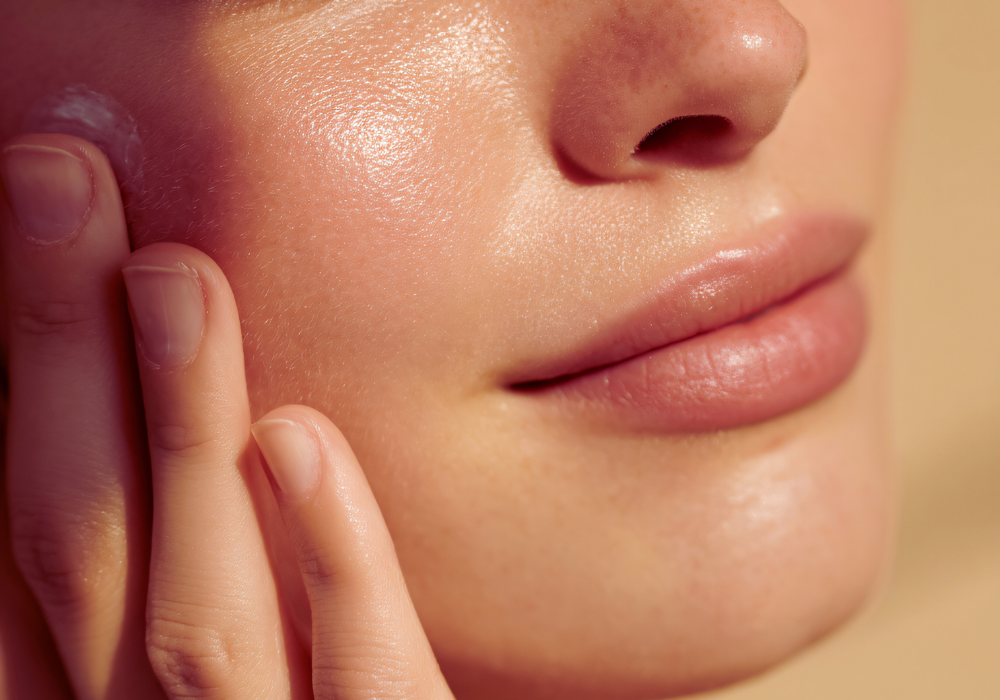
Celebrity skincare can teach us plenty about smart, science-backed routines—but the real value isn't copying what's on someone's bathroom shelf. What matters more is understanding the principles behind effective skincare: consistency, simplicity, and ingredients that actually work. Elizabeth Banks, known for her roles in Hunger Games and her work as a producer and director, has mentioned her focus on skin health through straightforward, evidence-based steps. Her approach reflects what dermatologists recommend: a routine built on cleansing, hydration, and protection, adapted to your individual needs. A multifunctional exfoliating cleanser that combines gentle acids with hydration can simplify this process, removing impurities while supporting the skin's moisture barrier in one step.
The science behind good skincare is pretty straightforward. About 68% of Americans report using skincare products daily, but not everyone gets the results they're after. The difference comes down to understanding how ingredients work, applying products in the right order, and sticking with a routine long enough to see benefits. Whether you're managing oily skin, dry skin, or just trying to maintain healthy skin as you age, the fundamentals remain the same—and they don't require a 10-step regimen.
Key Takeaways
-
Effective skincare routines prioritize three essentials: cleansing, moisturizing, and sun protection, adapted to your skin type
-
Most people see noticeable benefits from new skincare routines in 6–8 weeks with consistent use
-
Exfoliation improves skin texture and radiance by removing dead cells, but gentle chemical exfoliants can be less irritating than harsh physical scrubs
-
Daily broad-spectrum sunscreen use helps prevent photoaging compared with occasional use
-
Simplicity and consistency beat complexity—fewer products used regularly outperform elaborate routines you can't maintain

Who is Elizabeth Banks and Why Her Skincare Approach Matters
Elizabeth Banks built her career through demanding roles in major franchises like The Hunger Games, while also producing and directing films that require long hours under harsh lighting and heavy makeup. This level of career demand means skincare isn't optional—it's a professional requirement.
The entertainment industry puts constant stress on skin. Red carpet appearances, early call times, and repeated makeup application and removal all take a toll. Actors and producers who maintain healthy skin into their 40s and 50s typically do so through consistent, science-backed routines rather than relying on quick fixes.
Banks's approach matters because it reflects what dermatologists actually recommend: foundational steps that address skin health rather than chasing trends. Her focus on prevention and maintenance aligns with the shift toward evidence-based skincare that prioritizes barrier function and protection over aggressive treatments.
The Connection Between Career Demands and Skincare Needs
Professional demands shape skincare priorities. When your face is your career, you can't afford irritation, breakouts, or premature aging from poor product choices.
Hollywood professionals often work with dermatologists to develop routines that handle:
-
Frequent makeup application and removal
-
Exposure to stage lighting and environmental stressors
-
Travel across different climates
-
Irregular sleep schedules that affect skin repair
This creates a need for streamlined, effective routines that deliver results without adding complexity. The principles apply whether you're on a film set or managing a busy work schedule—skin health requires consistent fundamentals, not elaborate steps.
The Core Principles Behind Elizabeth Banks's Skincare Philosophy
The most effective skincare routines share common traits: simplicity, consistency, and science-backed ingredients. These principles work regardless of your budget or celebrity status.
Why Simplicity Wins in Skincare
Overcomplicating skincare often backfires. Using too many products increases the risk of irritation, ingredient interactions, and inconsistent application. Dr. Jenny Kim notes that "no single skincare routine works for everyone, and overuse of actives may cause more harm than good."
A simplified routine makes consistency easier. When you're down to three or four essential steps, you're more likely to follow through morning and night. This regular application delivers better results than sporadic use of a dozen products.
Quality over quantity matters here. One multifunctional product that exfoliates, cleanses, and hydrates beats separate products for each function—especially when the formulation is designed to work together at the right pH.
The Role of Consistency in Visible Results
Skin cell turnover takes time. The epidermis renews roughly every 28 days, which means you need weeks of consistent use to see real change. Typical benefits appear after 6–8 weeks of routine skincare.
Consistency also supports the skin's barrier function. Daily cleansing and moisturizing train your skin to maintain balanced hydration and oil production. Sporadic use disrupts this balance, often leading to reactive skin that overproduces oil or becomes excessively dry.
Professional guidance helps, but only if you actually follow the routine. Dermatologists emphasize selecting products matched to your skin type and introducing new ingredients gradually to avoid irritation.
Building Your Daily Skin Care Routine at Home Inspired by Celebrity Standards
A solid daily routine follows a clear sequence: cleanse, treat, moisturize, and protect. Understanding the order and timing makes each product more effective.
Morning Skincare Routine Steps
Morning routines prep skin for the day ahead. The goal is to remove overnight oil buildup, add hydration, and protect from environmental damage.
Basic morning sequence:
-
Cleanse: Remove oil and prepare skin for product absorption
-
Treat: Apply serums or targeted treatments on clean skin
-
Moisturize: Lock in hydration and support the barrier
-
Protect: Apply broad-spectrum SPF as the final step
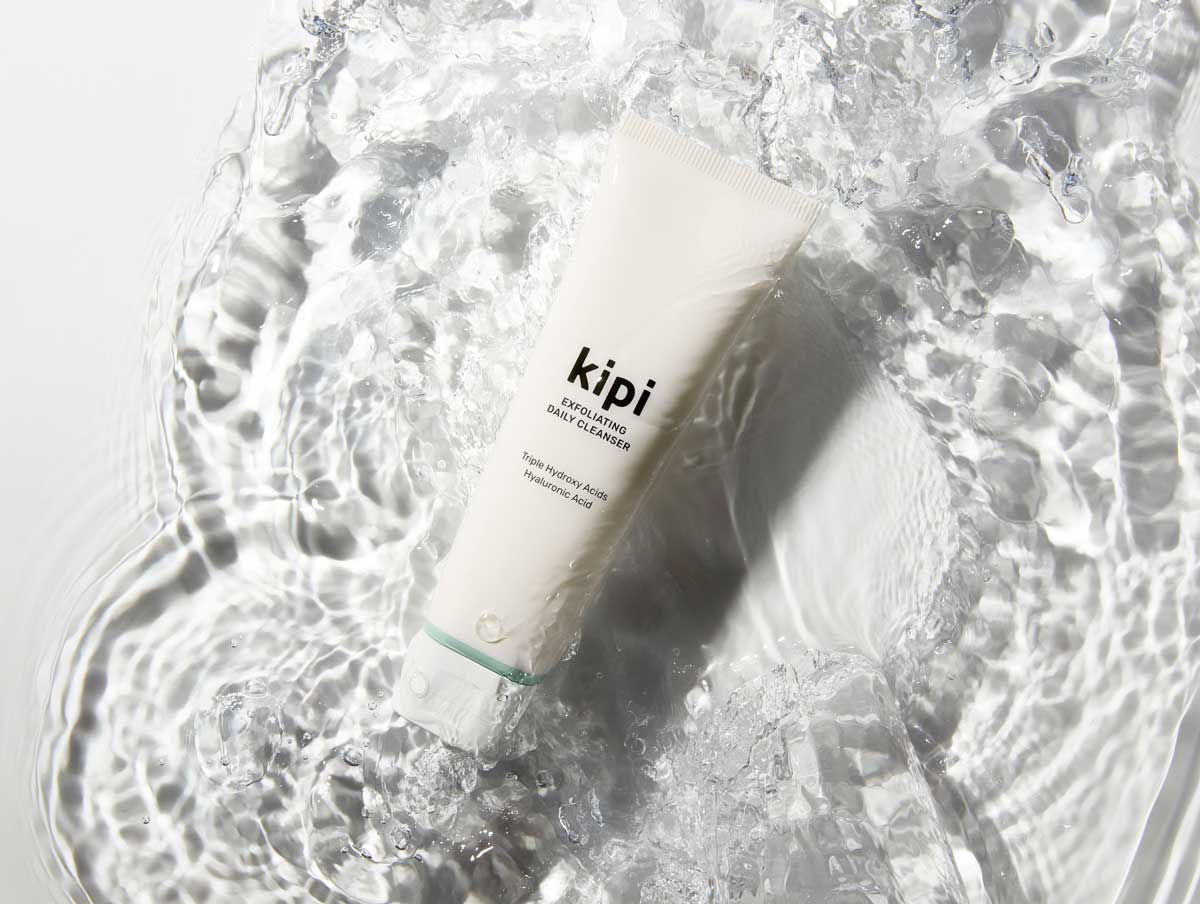
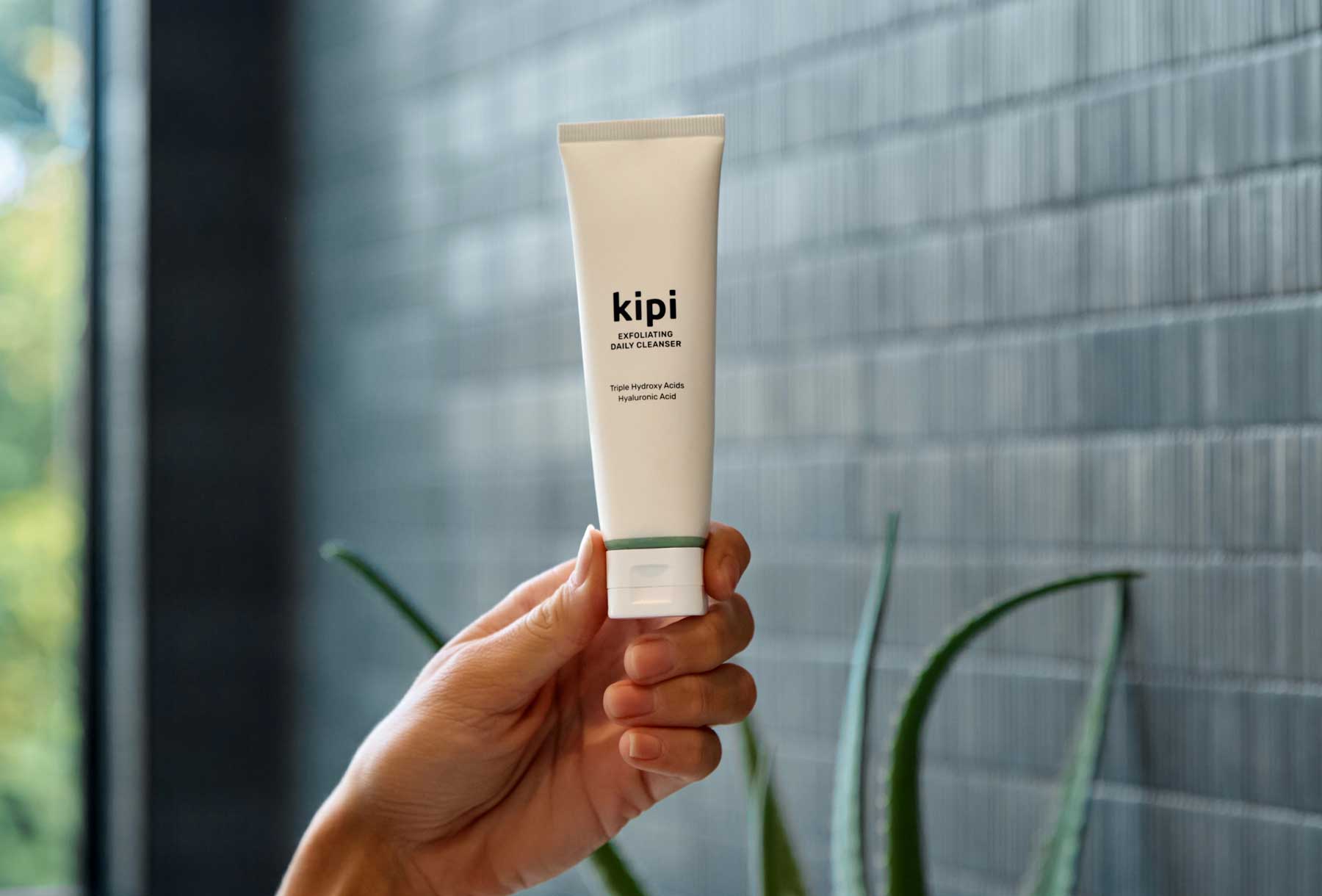
The Kipi Exfoliating Daily Cleanser works well in the morning because its gentle acids exfoliate while hyaluronic acid maintains hydration. This dual function means you're prepping skin and adding moisture in one step.
Timing matters less than consistency. Whether you cleanse right after waking or after your morning coffee, pick a time and stick with it. Skin adapts to regular routines.
Night Skincare Routine Steps
Nighttime is when skin repairs itself. Your routine should support this natural process by removing the day's buildup and delivering ingredients that aid cellular renewal.
Evening sequence:
-
Remove makeup/sunscreen: Use an oil-based cleanser or micellar water first
-
Deep cleanse: Follow with a water-based cleanser to remove remaining impurities
-
Treat: Apply stronger actives like retinoids or acids
-
Moisturize: Use a heavier moisturizer than morning to support overnight repair
The double cleanse method addresses makeup and sunscreen effectively. Your second cleanse should be thorough but gentle—a science-backed cleanser with beta-hydroxy acid refines texture without stripping skin.
Skip SPF at night. Your skin doesn't need sun protection in the dark, and nighttime is when you want deeper hydration and treatment ingredients to penetrate.
Skincare Routine for Men: Adapting Principles for Different Skin Needs
Men's skin has some biological differences that affect skincare choices, but the fundamentals remain the same: cleanse, hydrate, protect.
Why Men's Skin Has Different Needs
Men's skin is generally thicker and produces more sebum due to higher testosterone levels. This means larger pores and a greater tendency toward oiliness, but also more resilience against certain types of damage.
However, shaving creates unique challenges. Daily blade use removes the top layer of skin cells along with hair, causing irritation and increased sensitivity. Post-shave care becomes critical for preventing inflammation and ingrown hairs.
Men often prefer straightforward routines without multiple steps. A multifunctional approach fits this preference—one product that handles several needs beats five separate items you won't use consistently.
Building a Simple 3-Step Routine
The essentials for men come down to three steps:
-
Cleanse: Remove oil, dirt, and buildup
-
Hydrate: Restore moisture and support barrier function
-
Protect: Apply SPF during the day
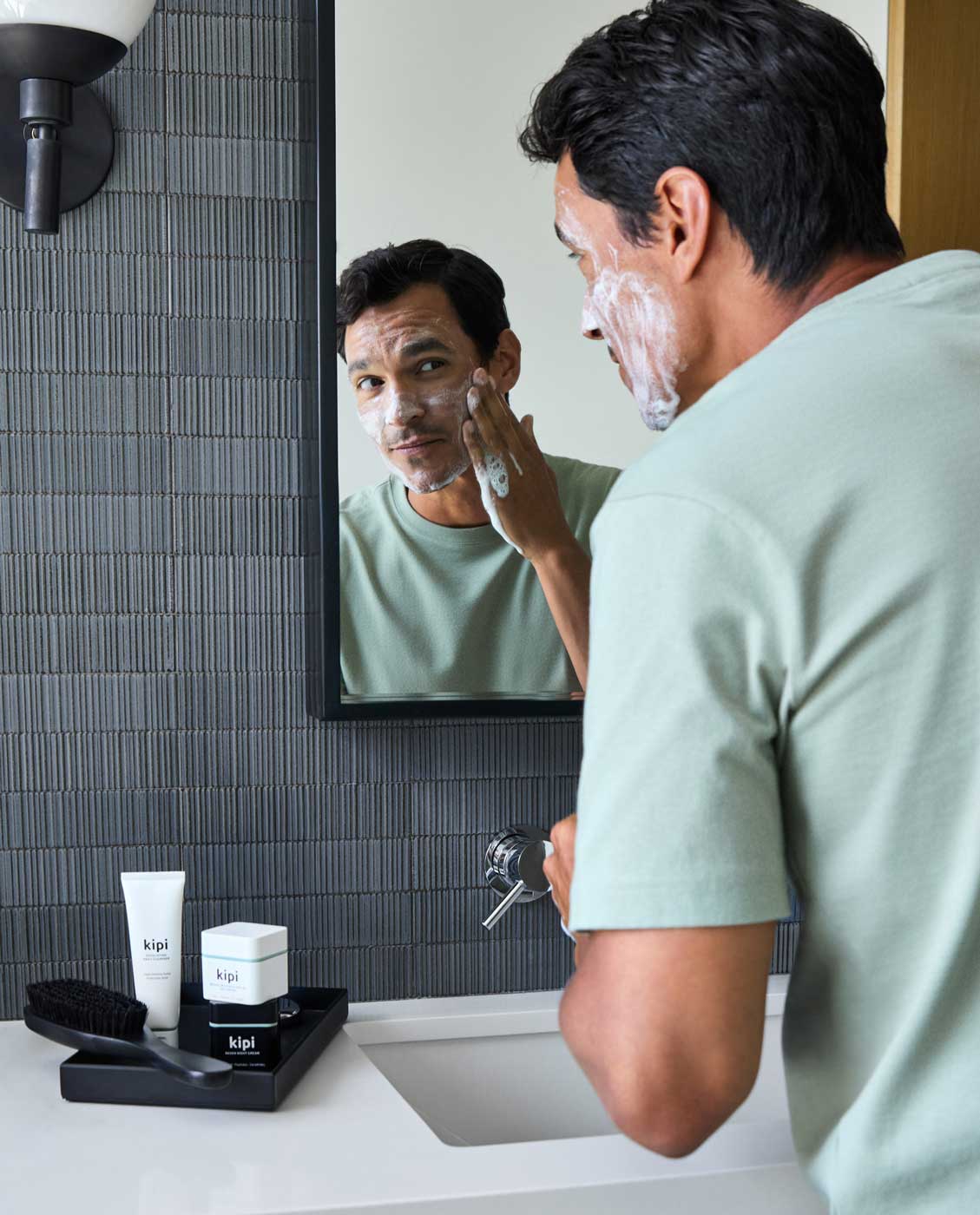
A cleanser that combines exfoliation and hydration simplifies the first two steps. Gentle acids address texture and pore concerns while hyaluronic acid prevents the tightness that makes men skip moisturizer.
Sunscreen matters just as much for men as women. Over 90% of dermatologists recommend daily sunscreen usage, regardless of gender. UV damage accumulates over decades, and prevention is far easier than correction.
Addressing Shaving-Related Concerns
Shaving removes the protective outer layer of skin, leaving it vulnerable to irritation and bacterial infection. A gentle, pH-balanced cleanser used immediately post-shave helps prevent both.
BHA (salicylic acid) reduces the inflammation that leads to razor bumps. Used consistently, it helps prevent ingrown hairs by keeping pores clear and promoting proper hair growth.
Avoid alcohol-based aftershaves. They provide a temporary tightening sensation but actually dry out skin and disrupt the barrier. Hydrating ingredients like panthenol soothe freshly shaved skin far more effectively.
Professional Skincare Tips for Elevating Your Routine at Home
Application technique affects how well products work. Small adjustments in how you use your routine can improve results without adding products.
Proper Application Techniques for Better Absorption
Always apply to damp skin when possible. Water helps water-based products spread evenly and enhances humectant effectiveness.
Use gentle upward and outward motions. Tugging downward contributes to sagging over time. Light pressure is sufficient—you're applying a product, not trying to push it through your skin.
Application tips by product type:
-
Cleansers: Massage in circular motions for 20–30 seconds to ensure thorough cleaning
-
Serums: Pat, don't rub, to prevent pilling and maximize penetration
-
Moisturizers: Use gentle upward strokes from neck to forehead
-
Eye cream: Tap with ring finger (lightest pressure) around orbital bone
Don't forget your neck and chest. These areas show aging just as visibly as your face but are often neglected in routines.
Facial Massage for Circulation
Gentle facial massage during cleansing boosts blood flow and supports lymphatic drainage. This reduces puffiness and gives skin a temporary glow.
Massage your cleanser in circular motions for the recommended 20–30 seconds. This contact time lets the gentle acids work while the mechanical motion improves circulation.
Focus on areas prone to tension: jawline, temples, and the space between eyebrows. Releasing facial tension can reduce the appearance of expression lines.
Use a light touch. You should never pull or stretch skin during massage—the goal is stimulation, not mechanical lifting.
When to Use Skincare Tools
Tools like jade rollers, gua sha, and LED devices can enhance routines if used correctly. They're not essential but offer specific benefits when applied properly.
-
Jade rollers/Gua sha: Use after applying serum or moisturizer to enhance absorption and reduce puffiness. Always work in upward and outward motions. Store in the fridge for added de-puffing benefits.
-
Cleansing brushes: Use 1–2 times weekly maximum. Daily use can over-exfoliate, especially if you already use chemical exfoliants. Not necessary if your cleanser already contains acids.
-
LED devices: Red light may support collagen production; blue light targets acne bacteria. Results require consistent use (several times weekly for months). Clinical evidence is mixed but generally positive for red light therapy.
Clean all tools after each use. Bacteria buildup on unclean tools can cause breakouts and infections.
Frequently Asked Questions
Can I use the same skincare products my entire life, or should I change them as I age?
Your skin's needs evolve with age and hormones. While core principles stay constant, specific products should adapt to current concerns. Many people consider adding anti-aging products in their 30s. Reassess your routine every few years or when you notice changes.
What's the difference between expensive and drugstore skincare—does price matter?
Price doesn't always correlate with effectiveness. Many drugstore brands use the same active ingredients as luxury products. What matters is concentration of actives, formulation pH, and stability. Check ingredient lists and percentages rather than price tags for best results.
Should I patch test new products, and how do I do it properly?
Patch testing helps identify allergies before full application. Apply a small amount to your inner forearm twice daily for 3–5 days. If no irritation occurs, test on your jawline for a few days. Very few people experience allergic reactions to skincare products.
Can stress and diet really affect my skin, or is that overstated?
Both stress and diet influence skin health. Stress triggers cortisol release, increasing oil production and inflammation. Diet impacts skin through multiple pathways, including insulin spikes and hydration. However, topical skincare addresses concerns more directly than diet changes alone.
Is it better to use products from one brand or mix different brands?
Mixing brands is fine and often beneficial. No single brand excels at every product type. The key is ensuring products work together without ingredient conflicts. Focus on ingredient compatibility and your specific skin needs rather than brand loyalty.