Comprehensive market intelligence compiled from extensive research on the global facial cleanser industry, clinical efficacy data, and transformative consumer behavior patterns
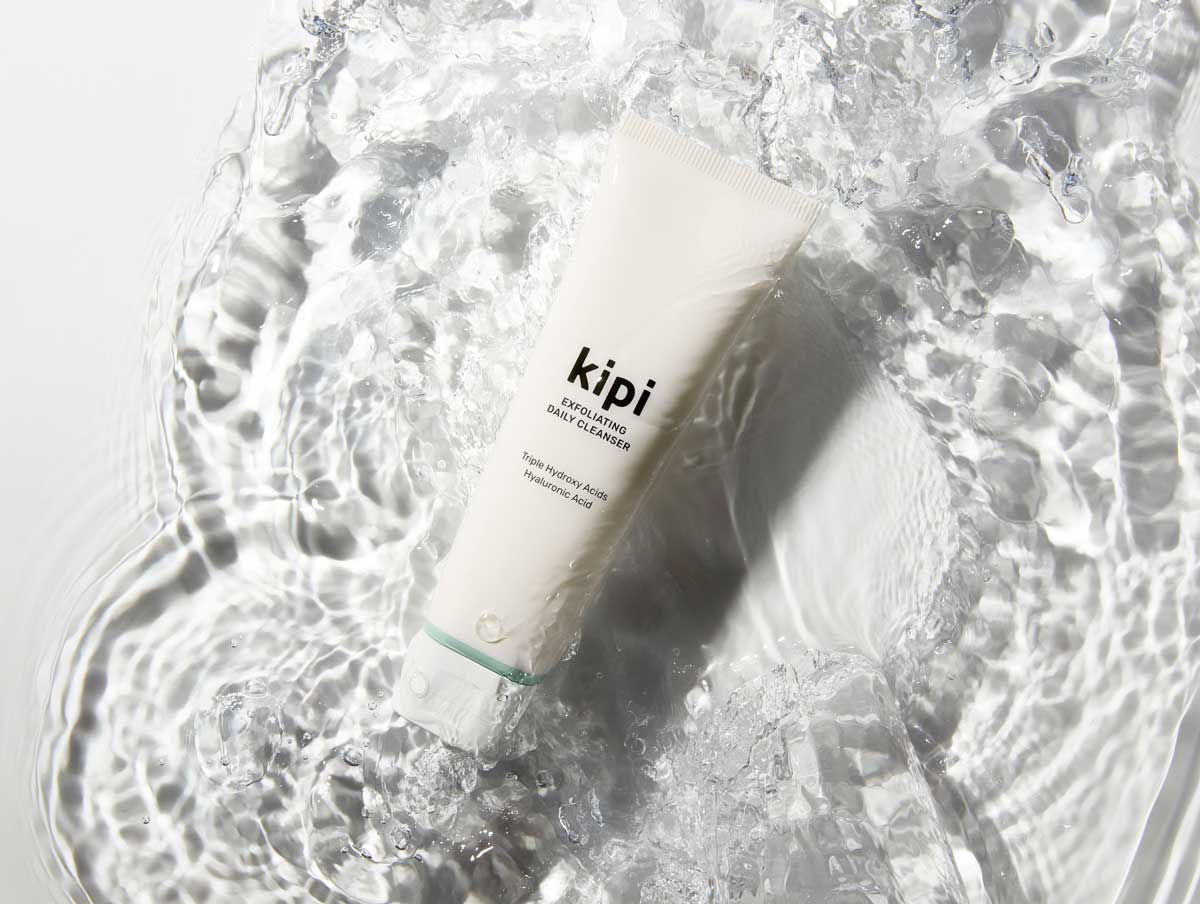
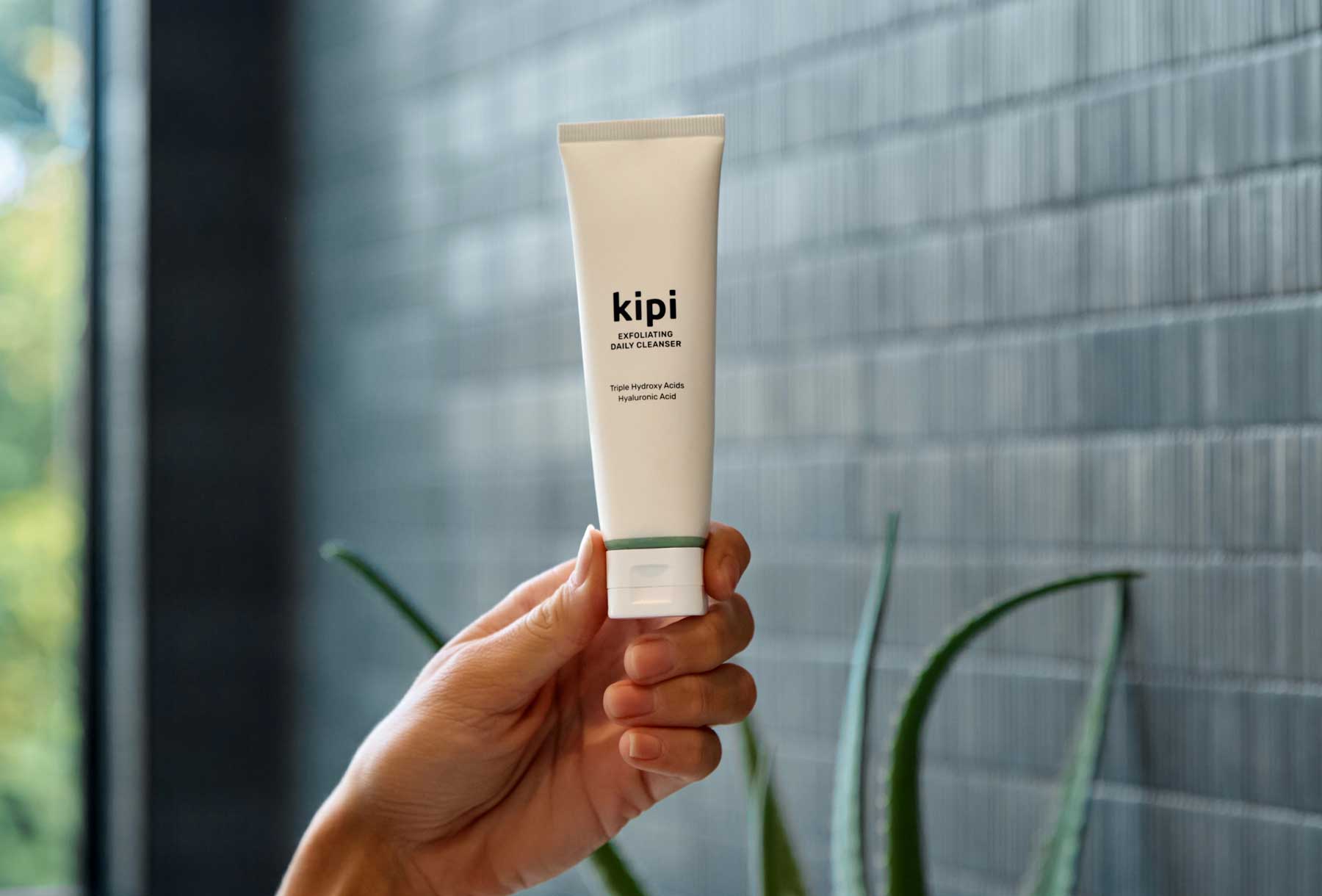
The global facial cleanser market has entered a period of exceptional expansion, with industry valuations reaching $14.1 billion in 2024 and accelerating toward $24.8 billion by 2034. For brands committed to premium skincare simplified through multifunctional, science-backed formulations, understanding these market dynamics reveals substantial opportunities in segments where exfoliating cleansers with proven clinical results are capturing share from traditional options. The Kipi Exfoliating Daily Cleanser exemplifies this evolution—combining triple action hydroxy acids, charged hyaluronic acid, and moisture-locking ingredients to deliver three core benefits in one step. This data-driven analysis examines 30 critical statistics that define the current cleanser landscape and illuminate pathways for brands delivering visible results through streamlined routines.
Key Takeaways
-
Explosive market growth creates opportunities for differentiated formulations – The facial cleanser market expanded from $14.1 billion in 2024 and projects to reach $24.8 billion by 2034 at 5.9% CAGR, with exfoliating cleansers growing even faster, demonstrating sustained consumer demand for science-backed products that deliver measurable results
-
Clinical evidence validates exfoliating cleanser efficacy – Peer-reviewed studies document 10-17% improvement in pore factors within one week and 6.47% statistically significant skin texture reduction, providing scientific proof that triple action hydroxy acid formulations deliver visible outcomes that build consumer confidence and repeat purchases
-
Chemical exfoliants dominate with majority market share – Chemical exfoliation technology captures approximately 70% of exfoliator sales, reflecting consumer and dermatologist preference for gentle, controlled renewal over harsh physical scrubbing, favoring brands formulating with alpha-hydroxy, beta-hydroxy, and polyhydroxy acid complexes
-
Clean beauty transitions from niche to baseline expectation – Sustainable beauty and skincare reaches approximately $191 billion in 2024 with 90% of Gen Z expecting clean formulations, establishing vegan and cruelty-free credentials as essential rather than optional, benefiting brands with ethical manufacturing practices and transparent ingredient disclosure
-
E-commerce accelerates as primary distribution channel – Online retail captured approximately 29% of face wash distribution in 2024 while growing at the highest rate among all channels, enabling brands with subscription models and direct customer relationships to compete effectively against multinational corporations through education-driven digital experiences

Global Daily Cleanser Market Size and Growth Projections
1. Global facial cleanser market reaches $14.1 billion in 2024
The global facial cleanser market achieved $14.1 billion in valuation during 2024, establishing cleansing as a foundational category within the broader skincare industry. This substantial market size reflects universal consumer recognition that effective facial cleansing serves as the essential first step in any skincare routine, regardless of complexity or product count. The market's scale creates opportunities for brands delivering multifunctional formulations that combine exfoliation, impurity removal, and hydration in single applications rather than requiring multiple separate products. Source: Global Market Insights
2. Facial cleanser industry projected to reach $24.8 billion by 2034
Market analysts forecast the facial cleanser category will expand to $24.8 billion by 2034, representing a 76% increase over current valuations within a single decade. This growth trajectory significantly exceeds general retail sector expansion rates, demonstrating that consumers continue prioritizing skin health investments despite economic uncertainties. Brands positioned with science-backed formulations featuring ingredients like charged hyaluronic acid and triple action hydroxy acids align with consumer willingness to invest in products delivering visible results within 28-day timeframes. Source: Global Market Insights
3. Industry growing at 5.9% compound annual growth rate through 2034
The facial cleanser market expands at a 5.9% compound annual growth rate from 2025 through 2034, reflecting sustained demand across demographic segments and geographic regions. This consistent expansion creates predictable market opportunities for brands developing innovative formulations that address emerging consumer priorities including clean ingredients, multifunctional benefits, and simplified routines. The growth rate validates the strategy of building a one-step skincare routine where a single exfoliating cleanser replaces multiple separate products. Source: Global Market Insights
4. Exfoliating cleanser segment growing at approximately 8% CAGR through 2030
Exfoliating cleansers expand at approximately 8% annually through 2030, exceeding the overall facial cleanser growth rate and demonstrating accelerated consumer adoption of exfoliating formulations. This premium growth reflects increasing awareness that regular exfoliation addresses multiple skin concerns—texture, clarity, pore appearance—while enhancing absorption of subsequent skincare products. The trend favors brands formulating with balanced acid concentrations that deliver daily exfoliation gentle enough for morning and night use. Source: Grand View Research
5. Face wash market size reaches $23.16 billion in 2025
The broader face wash market achieved $23.16 billion in 2025, encompassing all cleanser formats including gels, foams, creams, and oils across mass-market and premium positioning. This comprehensive market size demonstrates the category's fundamental importance within personal care spending and the diversity of consumer preferences across textures and formulation approaches. Creamy foam cleansers that rinse clean without residue or tightness capture share across multiple format preferences. Source: Mordor Intelligence
6. Face wash category projected to reach $32.55 billion by 2030
Market projections forecast the face wash category will expand to $32.55 billion by 2030, representing a 41% increase over five years. This accelerated growth timeline reflects the category's maturity combined with innovation-driven expansion as brands introduce formulations with advanced ingredient technologies. Products featuring next-generation delivery systems—such as charged hyaluronic acid engineered to bind water molecules to skin even after rinsing—position brands to capture growth within this expanding market. Source: Mordor Intelligence
Clinical Efficacy and Consumer Results with Daily Cleansers
7. 10-17% improvement in pore factors achieved within one week
Peer-reviewed clinical research documents 10-17% improvement in multiple pore factors—including blackheads, whiteheads, and pore volume—within just one week of exfoliating cleanser use. This rapid timeframe for visible results demonstrates that science-backed formulations with beta-hydroxy acids deliver measurable outcomes far faster than consumer expectations, building confidence and purchase commitment. Brands offering formulations with salicylic acid refining skin texture and removing debris align with this clinical evidence of quick efficacy. Source: PMC Clinical Study
8. 6.47% statistically significant skin texture reduction after one week
Clinical studies report 6.47% statistically significant skin texture reduction (p < 0.001) after just one week of exfoliation use, providing rigorous scientific validation of visible smoothing effects. This level of statistical significance—far exceeding research standards for meaningful outcomes—demonstrates that chemical exfoliation formulations deliver consistent, measurable results across diverse participant populations. Products combining alpha-hydroxy acid complexes with polyhydroxy gluconolactone deliver this proven texture improvement through gentle daily use. Source: PMC Clinical Study
9. 50% of acne patients show improvement after third treatment session
Research on chemical exfoliation treatments demonstrates that 50% of acne patients showed measurable improvement after the third treatment session using twice-weekly application protocols. This substantial response rate validates chemical exfoliation as an effective intervention for acne-prone skin when formulated with appropriate acid concentrations and supporting ingredients. Daily cleansers incorporating beta-hydroxy salicylic acid address acne concerns while maintaining gentle profiles suitable for consistent use. Source: PMC Study on Chemical Peels
10. Cell turnover takes approximately 20 days in young adults
Scientific research establishes that epidermal cell turnover requires approximately 20 days in young adults, providing the biological baseline for skin renewal processes. Understanding this natural timeline helps consumers recognize that exfoliating cleansers work by accelerating and optimizing natural cell turnover rather than forcing unnatural processes, supporting both efficacy and skin health over time. Formulations with triple action hydroxy acids enhance this natural renewal process while maintaining skin balance. Source: PubMed Study
11. Older adults require 10+ additional days for cellular renewal
Research demonstrates that older adults require 10 or more additional days—totaling 30+ days—for complete cellular renewal compared to younger individuals. This age-related slowdown in natural exfoliation creates an increasing need for effective topical exfoliation that gently removes accumulated dead cells without damaging healthy skin. Products formulated at skin's natural pH (4.5-5.5) with balanced acid blends address this age-related renewal slowdown while supporting barrier function through ingredients like pro-vitamin B5. Source: PubMed
12. 72% of consumers use facial cleansers regularly
Market research identifies that 72% of consumers use facial cleansers regularly, establishing cleansing as the most universal skincare behavior across demographic segments. This high penetration rate demonstrates that effective cleanser formulations reach the broadest possible consumer base, making innovation in this category particularly impactful. The opportunity lies in converting consumers from basic cleansing to cleansing and hydrating simultaneously through multifunctional products. Source: Media Market
Facial Cleanser Product Types and Formulation Preferences
13. Chemical exfoliants account for approximately 70% of exfoliators market
Chemical exfoliation technology captures approximately 70% of the total exfoliators market, demonstrating overwhelming consumer and dermatologist preference for acid-based renewal over physical scrubbing methods. This dominance reflects increasing awareness that chemical exfoliants provide controlled, even results without the micro-tearing risks associated with abrasive particles. Brands formulating with alpha-hydroxy citrus fruit extracts, beta-hydroxy salicylic acid, and polyhydroxy gluconolactone align with this evidence-based preference for chemical exfoliation. Source: Grand View Research
14. Gel cleansers hold 39% of facial cleanser market share
Gel-based formulations command 39% of the facial cleanser market share in 2024, representing the single largest format category. This preference reflects consumer association of gel textures with thorough cleansing and fresh, clean sensations upon rinsing. However, innovation opportunities exist in hybrid formulations—such as rich, creamy products that foam upon activation—combining gel efficacy perceptions with enhanced hydration delivery through ingredients like moisture-locking natural sugars. Source: Global Market Insights
15. Foam-based cleansers projected to grow at 7.49% CAGR
Foam-based cleanser formulations project 7.49% compound annual growth from 2025 to 2030, exceeding the overall market rate and demonstrating accelerating consumer preference for lightweight, easy-rinsing textures. This growth trajectory indicates that foaming formulations successfully balance thorough cleansing with gentle, non-stripping performance when properly formulated. Products that transform from thick creams to rich lathers upon water activation capture both foam convenience and cream hydration benefits. Source: Mordor Intelligence
Consumer Usage Patterns and Demographics
16. Over one-third of US consumers only use water to cleanse face
More than one-third of US consumers report using only water to cleanse their faces without any cleansing products, highlighting substantial market penetration opportunities through education about cleansing benefits. This behavior likely stems from concerns about harsh products stripping skin or simple habits rather than informed preference. Brands emphasizing gentle, pH-balanced formulations that hydrate and balance rather than strip or tighten can convert water-only consumers to appropriate facial care. Source: Exploding Topics
17. 85% of women use cleansers 1-2 times daily
Market data shows 85% of women use facial cleansers once or twice daily, establishing consistent usage patterns that support subscription-based purchasing models. This high-frequency usage creates predictable product consumption rates—approximately 2 months for a 60ml cleanser—enabling brands to offer auto-delivery every 8 weeks with confidence in renewal timing alignment. Regular twice-daily usage also maximizes the cumulative benefits of science-backed ingredients like triple action hydroxy acids. Source: Drive Research
18. 74% of consumers maintain both morning and evening routines
Consumer behavior research identifies that 74% of skincare users maintain both morning and evening routines, demonstrating commitment to consistent facial care regardless of time constraints. This dual-routine pattern creates opportunities for cleansers gentle enough for twice-daily use, positioning products formulated with balanced acid concentrations and soothing pro-vitamin B5 as suitable for both applications. Morning cleansing followed by SPF and evening cleansing before moisturizer establishes the foundation for effective skincare. Source: Drive Research
Acne Management and Skin Condition Statistics
19. 50 million Americans suffer from acne annually
The American Academy of Dermatology Association reports that approximately 50 million Americans experience acne annually, establishing it as the most common skin condition in the United States. This prevalence creates sustained demand for cleansers formulated to address acne-prone skin through ingredients like beta-hydroxy salicylic acid that refines texture and removes pore debris. Products suitable for all skin types including oily formulations serve this substantial affected population. Source: Global Market Insights
20. Estimated $6 billion spent annually in America on acne treatment
Americans spend an estimated $6 billion annually on acne treatment products and services, demonstrating the condition's significant impact on quality of life and consumer willingness to invest in effective solutions. This substantial market creates opportunities for cleansers that address acne through daily exfoliation and pore clearing rather than harsh, drying treatments. Formulations balancing acne-fighting ingredients with hydration support sustainable long-term use without over-drying. Source: Global Market Insights
21. Approximately 71% of global consumers report skin sensitivity
Global research identifies that approximately 71% of consumers report experiencing skin sensitivity, driving demand for gentle formulations that deliver results without irritation or adverse reactions. This high prevalence establishes sensitive skin compatibility as essential rather than optional, benefiting brands that formulate with soothing ingredients like pro-vitamin B5 and avoid harsh sulfates. Products tested across all skin types including sensitive provide accessible solutions for this majority population. Source: Mordor Intelligence
Clean Beauty and Sustainability Market Trends
22. Sustainable beauty and skincare market valued around $191 billion
The sustainable beauty and skincare market achieved approximately $191 billion in valuation during 2024, demonstrating that clean, ethical formulations now represent mainstream consumer expectations rather than niche preferences. This substantial market size reflects integration of sustainability across all beauty segments. Brands offering vegan and cruelty-free formulations with sulfate and paraben-free compositions align with this market standard. Source: InsightAce Analytic
23. Sustainable skincare predicted to reach $433.2 billion by 2032
Market projections forecast the sustainable skincare market will more than double to reach $433.2 billion by 2032, representing substantial growth over the next decade. This accelerated expansion significantly exceeds overall skincare growth rates, demonstrating that sustainability transitions from differentiator to baseline requirement. Brands built on ethical practices and transparent ingredient disclosure from inception hold structural advantages over legacy brands retrofitting sustainability into existing operations. Source: InsightAce Analytic
24. 90% of Gen Z expect to buy clean beauty products
Consumer research documents that 90% of Gen Z and younger millennials expect to purchase clean beauty products over the next few years, establishing clean formulations as non-negotiable for emerging consumer cohorts. This generational shift creates long-term structural advantages for brands emphasizing natural fragrances, plant-derived ingredients, and transparent formulation practices. Products free from synthetic sulfates and parabens meet this demographic's baseline expectations. Source: Global Market Insights
25. More than 50% of Gen Z scrutinizes product ingredients before purchase
Market analysis shows that over 50% of Gen Z consumers carefully evaluate beauty product ingredients before making purchase decisions, demonstrating informed decision-making that rewards transparent formulation disclosure. This behavior benefits brands providing complete ingredient lists with concentration percentages for active ingredients like hydroxy acid complexes, hyaluronic acid, and vitamins. Educational approaches explaining ingredient mechanisms and benefits resonate with this research-driven demographic. Source: Global Market Insights
Distribution Channels and E-Commerce Growth
26. Online retail stores led distribution with approximately 29% share
Online retail captured approximately 29% of face wash distribution share in 2024, establishing e-commerce as the largest single distribution channel and surpassing traditional retail formats. This digital dominance reflects consumer preference for researching ingredients, reading reviews, and comparing formulations before purchase—behaviors that favor brands providing comprehensive educational content. Direct-to-consumer models through brand websites capture additional share beyond general e-commerce platforms. Source: Mordor Intelligence
27. E-commerce projected to grow at highest rate among channels
E-commerce distribution projects the highest compound annual growth over the forecast period, significantly exceeding all traditional retail channel growth rates. This acceleration demonstrates ongoing digital transformation in beauty purchasing behavior, particularly among younger demographics comfortable with subscription models and auto-replenishment. Brands offering subscribe and save programs with 20% discounts and flexible delivery timing capture this high-growth channel effectively. Source: Mordor Intelligence
28. 60% of consumers trust influencer recommendations for skincare
Market research reveals that 60% of consumers trust influencer recommendations when making skincare purchase decisions, establishing social proof as a critical conversion factor. This trust level exceeds traditional advertising credibility and approaches friend recommendation trust, demonstrating influencers' effectiveness in authentic product education. Brands providing influencers with science-backed formulations and transparent ingredient information enable credible endorsements that drive conversions. Source: Mordor Intelligence
Regional Market Analysis and Geographic Trends
29. Asia-Pacific held approximately 52% of skincare market share in 2023
The Asia-Pacific region commanded approximately 52% of global skincare market share in 2023, representing absolute dominance driven by population density, cultural prioritization of skincare, and rising disposable incomes. This concentration creates both competitive challenges from regional brands and opportunities for Western brands emphasizing dermatologist-backed science, clean ingredients, and ethical manufacturing. TSA carry-on approved 60ml products facilitate international consumer adoption. Source: Fortune Business Insights
The Bottom Line
These daily cleanser statistics highlight a clear shift in how consumers evaluate and use facial cleansers: they want evidence-based ingredients, clean and ethical formulations, and products that simplify—rather than complicate—their routines. This broader market movement aligns closely with how Kipi approaches formulation and product design. The Exfoliating Daily Cleanser, for example, reflects rising demand for multifunctional cleansers that combine exfoliation, impurity removal, and hydration in one step while maintaining a pH-balanced, vegan, and cruelty-free profile.
The data also reinforces growing trust in chemical exfoliation, measurable clinical outcomes, and transparent ingredient disclosure—areas where Kipi emphasizes clarity by listing active percentages and explaining the science behind its formulation. As consumers lean toward streamlined routines and rely heavily on e-commerce for education and purchasing, Kipi’s direct-to-consumer model and focus on simplicity place it naturally within these accelerating trends rather than outside them.
Frequently Asked Questions
What is driving the exfoliating cleanser market's accelerated growth?
Exfoliating cleansers expand at approximately 8% annually—exceeding the overall facial cleanser growth rate—driven by increasing consumer awareness that regular gentle exfoliation addresses multiple skin concerns including texture, clarity, and pore appearance. Clinical evidence documenting 10-17% pore improvement within one week validates efficacy claims, building consumer confidence. Chemical exfoliants' dominance demonstrates preference for controlled acid-based renewal over harsh physical scrubbing.
How effective are exfoliating cleansers compared to traditional options?
Peer-reviewed research establishes that exfoliating cleansers deliver statistically significant results, including 6.47% texture reduction (p < 0.001) and 10-17% improvement in pore factors within just one week of use. These rapid, measurable outcomes demonstrate that science-backed formulations with triple action hydroxy acids deliver visible results far faster than consumer expectations, building repeat purchases and routine adherence.
Why are clean beauty credentials becoming essential rather than optional?
The sustainable beauty market reached approximately $191 billion in 2024 with projections toward $433 billion by 2032, while 90% of Gen Z expects to purchase clean beauty products. This generational shift establishes vegan, cruelty-free, and sulfate-free formulations as baseline expectations rather than premium features. Over 50% of Gen Z scrutinizes ingredients before purchase, rewarding transparent formulation disclosure.
What role does e-commerce play in facial cleanser distribution?
Online retail captured approximately 29% of face wash distribution in 2024 while growing at the fastest rate among all channels, establishing digital channels as the primary growth engine. E-commerce particularly favors categories requiring consumer education, with 60% of consumers trusting influencer recommendations for skincare purchases. Direct-to-consumer subscription models offering 20% savings capture this high-growth channel effectively.
How do multifunctional cleansers address consumer demand for simplified routines?
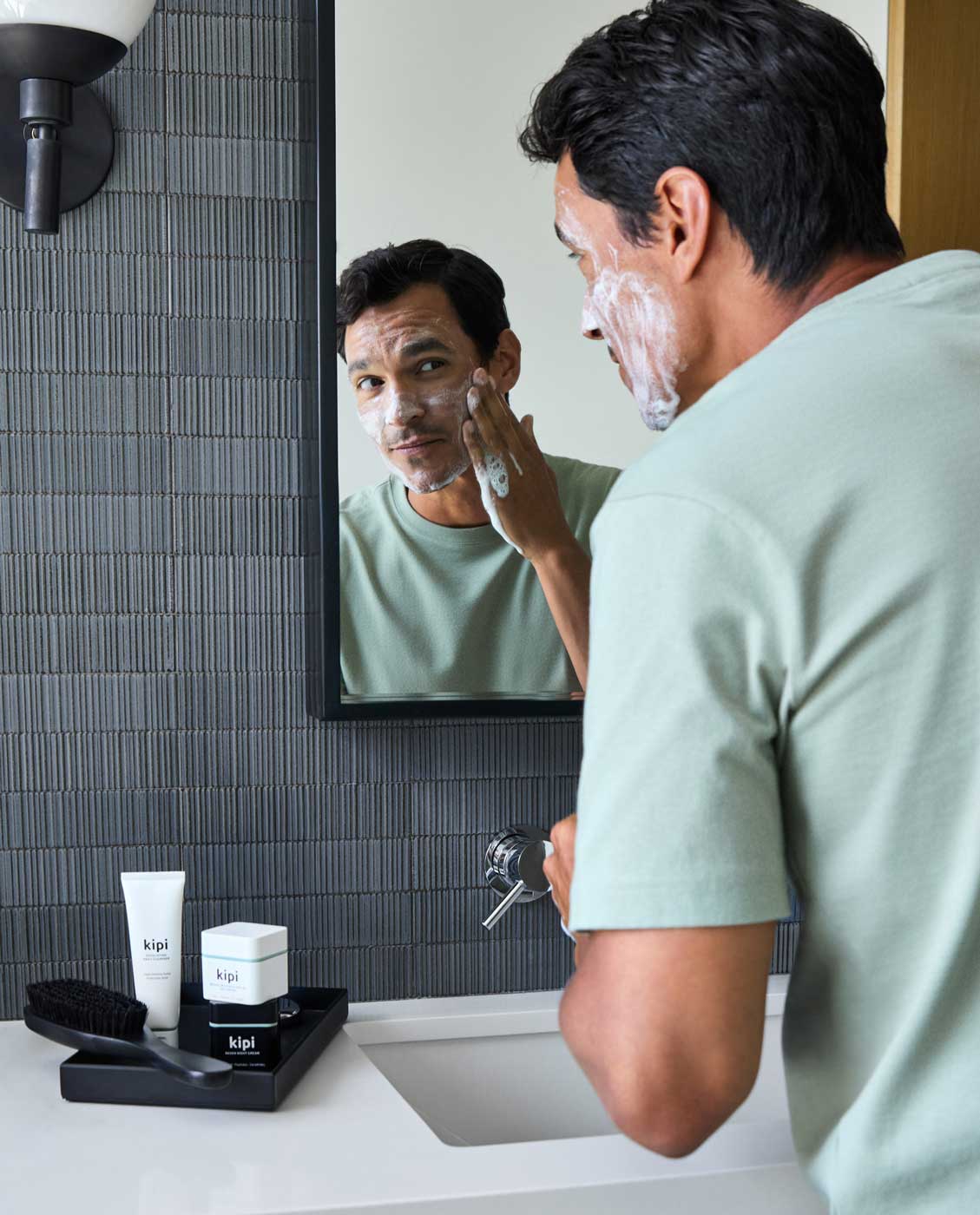
Market data shows 74% of consumers maintain both morning and evening routines, creating demand for efficient products. Multifunctional cleansers delivering exfoliation, impurity removal, and hydration in single 30-second applications reduce total routine duration while maintaining results. This efficiency particularly resonates with consumers who prefer straightforward, effective approaches over complex multi-step regimens, as evidenced by men's skincare preferences and broader market trends toward streamlined routines.