Comprehensive market intelligence compiled from extensive research on consumer behavior psychology, ethical skincare preferences, and science-backed formulation demands
Consumer preference data reveals a fundamental shift in how people select skincare products, with 69.2% of buyers now choosing plant-based or natural ingredients and chemical formulations dominating the exfoliators market with controlled, measurable results. For brands committed to premium skincare simplified through multifunctional, science-backed products, these behavioral patterns create substantial opportunities in segments where ethical practices, ingredient transparency, and visible outcomes drive purchasing decisions. This data-driven analysis examines 35 critical statistics that define consumer preferences and illuminate pathways for brands delivering refreshed, balanced skin through streamlined routines.
Key Takeaways
-
Ethical formulations transition from niche to mainstream demand – 63% of global beauty consumers prefer skincare products not tested on animals, while consumers increasingly consider a brand's ethical and sustainable commitments when purchasing, establishing vegan and cruelty-free formulations as essential rather than optional product attributes
-
Chemical exfoliation dominates consumer preferences – Science-backed exfoliating acids significantly outpace physical scrubs as consumers seek controlled, uniform skin renewal over harsh mechanical exfoliation, validating approaches using triple action hydroxy acid complexes
-
Clean ingredient transparency drives 69.2% of purchasing decisions – Plant-based and natural ingredient formulations now influence the majority of skincare purchases as consumers actively scrutinize ingredient lists and reject products with synthetic chemicals lacking safety validation
-
Quality and effectiveness override price considerations for 60% of consumers – Americans prioritize product performance and ingredient quality over cost when selecting skincare, with 41% of brand-loyal consumers citing efficacy as their primary loyalty driver
-
Multifunctional simplicity reshapes routine preferences – Consumer demand shifts toward fewer, more effective products as 72% use facial cleansers regularly but seek formulations delivering multiple benefits in single applications rather than complex 10-step regimens

Understanding Consumer Behavior Psychology: The Core Drivers of Skincare Choices
1. 60% of consumers prioritize quality and affordability over brand prestige
American consumers demonstrate clear preference hierarchies when selecting skincare products, with 60% primarily seeking quality formulations and accessible pricing rather than luxury brand positioning or celebrity endorsements. This behavior indicates that premium skincare success depends on delivering proven efficacy at fair value points rather than relying on aspirational marketing or prestige packaging alone. Brands offering science-backed exfoliating cleansers with charged hyaluronic acid and triple action hydroxy acids at $36.00 one-time or $28.80 subscription pricing align directly with this value-conscious yet quality-driven consumer segment. Source: Standard Insights
2. 43.9% rank ingredients as the crucial factor in purchasing decisions
Ingredient transparency ranks as the decisive factor for 43.9% of skincare consumers, surpassing price, packaging, and brand reputation in purchase influence. This scrutiny reflects increased consumer education about active ingredient mechanisms, concentration percentages, and formulation pH levels that determine product efficacy. Formulations disclosing specific active ingredients—such as 1% alpha-hydroxy acid complex, 0.4% beta-hydroxy acid complex, 1% gluconolactone, and 0.1% charged hyaluronic acid—satisfy this demand for ingredient clarity and science-backed transparency. Source: Standard Insights
3. 56% purchase skincare to improve appearance as primary motivation
Consumer motivation research identifies appearance improvement as the primary driver for 56% of skincare purchases, establishing visible results as the fundamental value proposition consumers seek. This outcome-focused behavior validates approaches emphasizing measurable benefits within defined timeframes, such as clinical studies demonstrating 10-17% pore factor improvement and 6.47% texture reduction after one week of consistent exfoliating cleanser use. Products formulated to deliver refreshed, balanced skin with smoothed texture address this core consumer motivation directly. Source: Standard Insights
4. 55.6% buy skincare products to feel better about themselves
Beyond physical appearance outcomes, 55.6% of consumers purchase skincare to enhance emotional wellbeing and self-perception, reflecting the psychological dimensions of skincare routines. This emotional motivation indicates that product experiences—including texture, fragrance, and sensory feel during application—contribute significantly to perceived value beyond active ingredient efficacy alone. Rich, creamy formulas with natural citrus-herb fragrance that rinse clean without residue or tightness deliver both functional cleansing and emotionally satisfying daily rituals. Source: Standard Insights
5. 37% seek skincare and cosmetics to boost self-confidence
Self-confidence enhancement motivates 37% of skincare purchases, establishing psychological benefits as measurable consumer value alongside physical skin improvements. This confidence-building dimension suggests that consistent visible results—clearer pores, smoother texture, balanced hydration—create compounding psychological benefits as consumers observe progressive skin health improvements. Products delivering three core benefits in one step enable confident, simplified routines that reduce decision fatigue while maintaining efficacy expectations. Source: Standard Insights
The Impact of Ethical Practices: Consumer Preference for Vegan & Cruelty-Free Skincare
6. 63% of beauty consumers globally prefer products not tested on animals
Animal testing considerations influence 63% of global beauty consumers when making purchasing decisions, establishing cruelty-free certification as a mainstream product requirement rather than niche ethical preference. This majority preference reflects sustained advocacy from animal welfare organizations and increased consumer awareness of alternative testing methodologies that ensure safety without animal harm. Brands offering vegan and cruelty-free formulations with sulfate and paraben-free compositions address this significant consumer segment directly while maintaining premium positioning. Source: Market.us
7. 59% express preference for natural or organic skincare products
Natural and organic product preferences influence 59% of skincare consumers, reflecting sustained demand for formulations emphasizing plant-derived ingredients over synthetic chemical compounds. This preference extends beyond ingredient origins to encompass safety profiles, environmental impacts, and alignment with holistic health philosophies that consumers increasingly apply to skincare selections. Products formulated with citrus fruit extract blends, natural moisture-locking sugars, and pro-vitamin B5 from natural sources address this majority preference while maintaining science-backed efficacy. Source: Market.us
8. 69.2% of buyers choose products with plant-based or natural ingredients
Plant-based and natural ingredient formulations influence 69.2% of skincare purchasing decisions, establishing botanical and naturally-derived actives as the dominant consumer preference across global markets. This overwhelming majority indicates that synthetic ingredient formulations now represent minority market segments rather than mainstream preferences, fundamentally reshaping formulation strategies for brands seeking broad market appeal. Alpha-hydroxy acid complexes derived from citrus fruits and naturally-occurring polyhydroxy acids like gluconolactone align with this plant-based preference while delivering proven exfoliation mechanisms. Source: 360 Research Reports
9. 62.4% of global cosmetic consumers shifted toward organic and plant-derived products
Consumer preference evolution demonstrates that 62.4% of global cosmetic buyers actively shifted purchasing behavior toward organic and plant-derived formulations, representing intentional behavior change rather than static preference. This active transition reflects growing consumer education about ingredient safety, environmental sustainability, and efficacy comparisons between synthetic and natural active compounds. Brands emphasizing naturally-derived hydroxy acids, plant-based hydration systems, and botanical extracts capture this majority segment experiencing active preference shifts. Source: 360 Research Reports
10. 68% want skincare made with clean ingredients
Clean ingredient demand influences 68% of skincare consumers, establishing ingredient purity and safety profiles as fundamental product requirements that rival efficacy considerations in purchase decisions. This clean beauty majority reflects sustained consumer skepticism toward synthetic preservatives, sulfates, parabens, and chemical compounds lacking long-term safety validation. Sulfate and paraben-free formulations with natural fragrance and plant-derived actives address this substantial consumer segment while maintaining premium product positioning. Source: The NPD Group
11. 80% of Americans recognize the value of sustainable packaging
Sustainable packaging considerations influence approximately 80% of American consumers, indicating that environmental responsibility extends beyond ingredient sourcing to encompass complete product lifecycle impacts including packaging materials and disposal. This packaging consciousness favors brands using recyclable materials, minimizing excess packaging, and communicating environmental impacts transparently. TSA carry-on approved 60ml sizing reduces packaging waste while enabling convenient travel, aligning product design with sustainability values. Source: Standard Insights
12. More than 50% prefer natural and organic products
Natural and organic product preference exceeds 50% of American consumers, establishing clean beauty as the majority market position rather than alternative niche segment. This mainstream adoption reflects sustained consumer education about synthetic chemical safety concerns, environmental impacts of conventional manufacturing, and efficacy validation of plant-derived active ingredients through clinical testing. Brands positioned at the intersection of natural ingredients and proven science capture this majority preference while differentiating from purely natural products lacking efficacy validation. Source: Standard Insights
The Power of Simplicity: Lightweight Formulas and Streamlined Skincare Routines
13. 72% of consumers use facial cleansers regularly
Facial cleanser adoption reaches 72% of skincare consumers, establishing cleansing as the most universal skincare practice across demographics and routine complexities. This high adoption rate indicates that cleanser selection represents the most impactful product decision consumers make, as daily cleansing forms the foundation upon which all subsequent skincare steps build. Multifunctional cleansers delivering exfoliation, impurity removal, and hydration in single applications maximize value within this universally-adopted product category. Source: Market.us
14. 68% incorporate moisturizers into skincare routines
Moisturizer usage reaches 68% of consumers, establishing hydration as the second most universal skincare practice after cleansing. This high adoption reflects broad consumer understanding that moisture balance represents a fundamental skin health requirement across all skin types including oily complexions. Cleansers formulated with charged hyaluronic acid and moisture-locking natural sugars deliver hydration during cleansing steps, reducing dependency on separate moisturizer applications for consumers seeking simplified one-step routines. Source: Market.us
Science-Backed Skincare: Trusting Proven Formulations for Visible Results
15. Chemical exfoliants dominate the exfoliators market with the majority of market share
Chemical exfoliation formulations dominate the exfoliators market, demonstrating clear consumer preference for science-backed acids over physical scrubs and mechanical exfoliation methods. This dominance reflects consumer education about chemical exfoliants' superior ability to deliver controlled, uniform skin renewal without mechanical irritation or uneven results. Triple action formulations combining alpha-hydroxy acids, beta-hydroxy acids, and polyhydroxy acids address this majority preference while offering gentler daily exfoliation than single-acid formulations. Source: Grand View Research
16. Clinical studies demonstrate 10-17% pore factor improvement within one week
Clinical efficacy testing validates exfoliating cleanser benefits, with studies documenting 10-17% improvement in pore factors after just one week of consistent use. This rapid visible outcome timeline aligns with consumer expectations for measurable results within trial periods and subscription cycles, validating purchasing decisions through observable skin improvements. Science-backed formulations with published clinical outcomes satisfy consumer demand for evidence-based efficacy claims rather than aspirational marketing promises. Source: PMC Journal
17. Studies show 6.47% statistically significant skin texture reduction after one week
Texture improvement studies document 6.47% statistically significant reduction in skin roughness after one week of exfoliating cleanser use, providing quantified evidence for the smoothing benefits consumers seek. This measurable outcome validates consumer investment in daily exfoliation and supports repurchase decisions based on experienced results rather than brand loyalty alone. Products formulated at skin's natural pH (4.5-5.5) deliver these texture benefits without disrupting the skin barrier or causing irritation. Source: PMC Journal
18. 50% of acne patients show improvement after third chemical exfoliation treatment
Acne improvement research demonstrates that 50% of patients experience noticeable clearing after three chemical exfoliation treatment sessions, validating exfoliating acids' therapeutic benefits for acne-prone skin. This clinical outcome supports consumer use of beta-hydroxy acids like salicylic acid for pore refinement and debris removal beyond general texture improvement. Formulations combining 0.4% salicylic acid with hydrating actives address acne concerns while maintaining skin balance for sensitive skin types. Source: PMC Journal
19. Skin cell turnover takes 20 days in young adults, extending 10+ days in older adults
Cellular turnover research establishes that natural skin renewal occurs approximately every 20 days in young adults but slows significantly with age, extending 10 or more additional days in mature skin. This biological slowdown creates visible dullness, texture irregularities, and compromised barrier function that chemical exfoliation addresses by accelerating surface cell removal. Regular exfoliating cleanser use restores youthful cell turnover rates, supporting the 85% of consumers experiencing acne and the 75% of women over 40 concerned about aging signs. Source: PubMed
Shopping Channels & Digital Behavior Patterns
20. 55% of Americans prefer buying cosmetics in physical stores
Physical store preference reaches 55% of American consumers for cosmetics and skincare purchases, reflecting desires to examine textures, test fragrances, and receive immediate product possession rather than waiting for shipping. This retail preference indicates that even direct-to-consumer brands benefit from strategic retail partnerships enabling consumer product experiences before committing to subscription models. However, the 45% non-physical preference represents substantial opportunity for pure-play e-commerce brands with strong digital content and sampling strategies. Source: Standard Insights
21. E-commerce sales expected to experience significant growth through 2030
E-commerce exfoliator sales are projected to experience significant growth through 2030, exceeding overall market growth rates and validating digital distribution as the fastest-growing channel. This digital acceleration reflects consumer comfort with online skincare purchasing, improved product education through digital content, and convenience of auto-delivery subscription models. Brands offering 20% subscription discounts with 8-week auto-delivery align pricing incentives with this high-growth channel. Source: Grand View Research
22. 71% discover new skincare products through social media platforms
Social media discovery drives 71% of new skincare product awareness, establishing digital platforms as the dominant product discovery channel surpassing traditional advertising, retail browsing, and word-of-mouth recommendations. This social dominance requires brands to maintain active content strategies showcasing product education, ingredient science, customer testimonials, and usage demonstrations that drive consideration and purchase intent. Platforms enable direct consumer education about triple action hydroxy acids, charged hyaluronic acid, and pH-balanced formulations. Source: Market.us
23. 81% consider reviews and recommendations when making purchases
Consumer reviews and peer recommendations influence 81% of skincare purchasing decisions, establishing social proof as the most powerful purchase driver beyond brand marketing or advertising claims. This review dependency indicates that product efficacy, customer service quality, and shipping reliability directly impact acquisition costs through their influence on review ratings and recommendation likelihood. Products achieving 5-star ratings with 100% recommendation rates generate compounding acquisition advantages through organic advocacy. Source: Market.us
Generational Insights and Emerging Demographics
24. Beauty industry experienced 9.3% boost in dollar sales from 2023 to 2024
Beauty industry performance demonstrates 9.3% sales growth from 2023 to 2024, indicating sustained category vitality and consumer willingness to maintain beauty spending despite broader economic uncertainties. This growth rate exceeds general retail expansion and validates beauty and skincare as consumer priority categories with resilient demand characteristics. Premium brands emphasizing efficacy and ethical practices capture disproportionate share of this growth as consumers trade up within expanding budgets. Source: NielsenIQ
25. Gen Z in-store beauty spending jumped 41% to reach $4.9 billion
Gen Z consumers increased in-store beauty spending by 41% to reach $4.9 billion, demonstrating that younger demographics engage with physical retail channels when brands create compelling in-store experiences and product discovery opportunities. This generation's retail engagement contradicts assumptions about digital-native purchasing exclusively and indicates that omnichannel strategies capture broader demographic ranges. However, Gen Z consumers expect seamless digital-physical integration including online research informing in-store purchases. Source: NielsenIQ
26. Millennials spent $16.7 billion on online beauty purchases with 13.3% increase
Millennial online beauty spending reached $16.7 billion with 13.3% year-over-year growth, establishing this demographic as the dominant e-commerce segment by both total spending and growth rate. This behavior reflects Millennials' digital comfort, preference for convenience, and responsiveness to subscription models that simplify repurchasing. Brands optimizing digital experiences and offering streamlined routines aligned with busy professional lifestyles capture this high-value demographic effectively. Source: NielsenIQ
27. Facial moisturizers experienced 36.2% sales increase driven by Gen Alpha
Facial moisturizer sales surged 36.2% driven by Gen Alpha interest, demonstrating that skincare routines now begin at younger ages as parents introduce children to basic skin health practices. This early category entry expands total addressable markets and creates opportunities for brands positioning gentle, science-backed formulations suitable for developing skin. Products formulated for all skin types including sensitive complexions address this emerging younger demographic alongside core adult segments. Source: NielsenIQ
Brand Loyalty & Trust Drivers
28. 62% of skincare consumers demonstrate brand loyalty
Brand loyalty reaches 62% of skincare consumers, indicating that once satisfied with product performance, most consumers maintain consistent repurchasing rather than continuously experimenting with alternatives. This loyalty tendency validates subscription models that formalize ongoing relationships and rewards brands delivering consistent quality and efficacy that justifies habitual repurchase. However, 38% actively switch brands, creating ongoing acquisition opportunities for formulations demonstrating superior benefits. Source: Market.us
29. 41% of loyal consumers cite product quality and effectiveness as loyalty driver
Product quality and effectiveness motivate loyalty for 41% of brand-committed consumers, establishing efficacy as the single most powerful retention driver ahead of price, convenience, or brand reputation. This performance-based loyalty indicates that clinical results, visible outcomes, and consistent product quality generate sustainable competitive advantages more effectively than promotional pricing or marketing campaigns. Formulations delivering measurable pore improvement, texture reduction, and balanced hydration build loyalty through experienced results. Source: Market.us
30. 21% cite trust in the brand as primary loyalty reason
Brand trust drives loyalty for 21% of committed consumers, reflecting the importance of transparent communication, ethical practices, and consistent delivery on promises across product quality, customer service, and corporate values. This trust-based loyalty indicates that vegan and cruelty-free certifications, ingredient transparency, and honest efficacy communication build sustainable relationships extending beyond single product performance. Brands committed to ethical practices throughout operations cultivate this trust-driven loyalty segment. Source: Market.us
31. At least 60% are willing to try new skincare products
New product trial willingness reaches at least 60% of Americans, indicating substantial market fluidity and ongoing acquisition opportunities despite the 62% brand loyalty rate. This apparent contradiction reflects that loyal consumers often use multiple brands simultaneously and remain open to additions that address unmet needs or deliver superior benefits. Brands offering differentiated formulations like charged hyaluronic acid or triple action hydroxy acids can capture trial from this majority willing to experiment. Source: Standard Insights
The Bottom Line
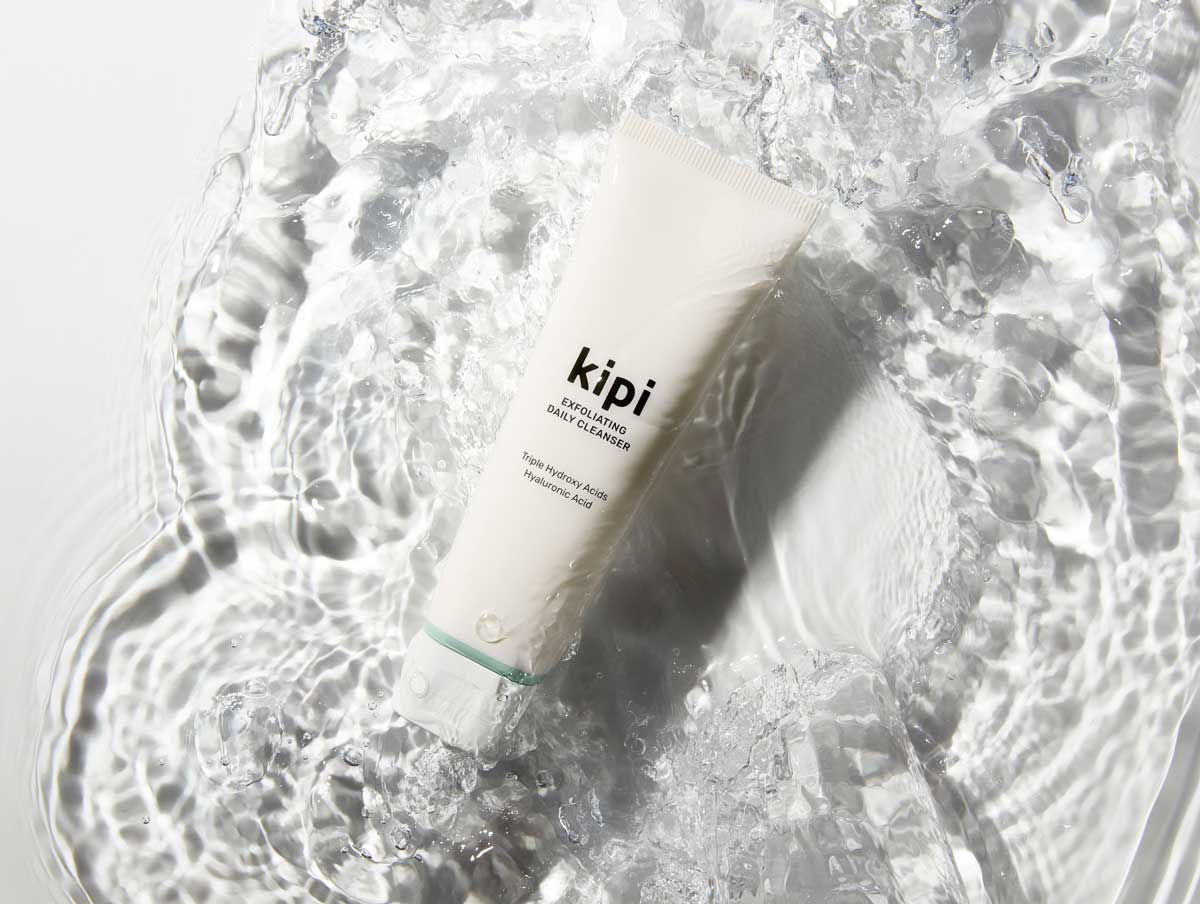
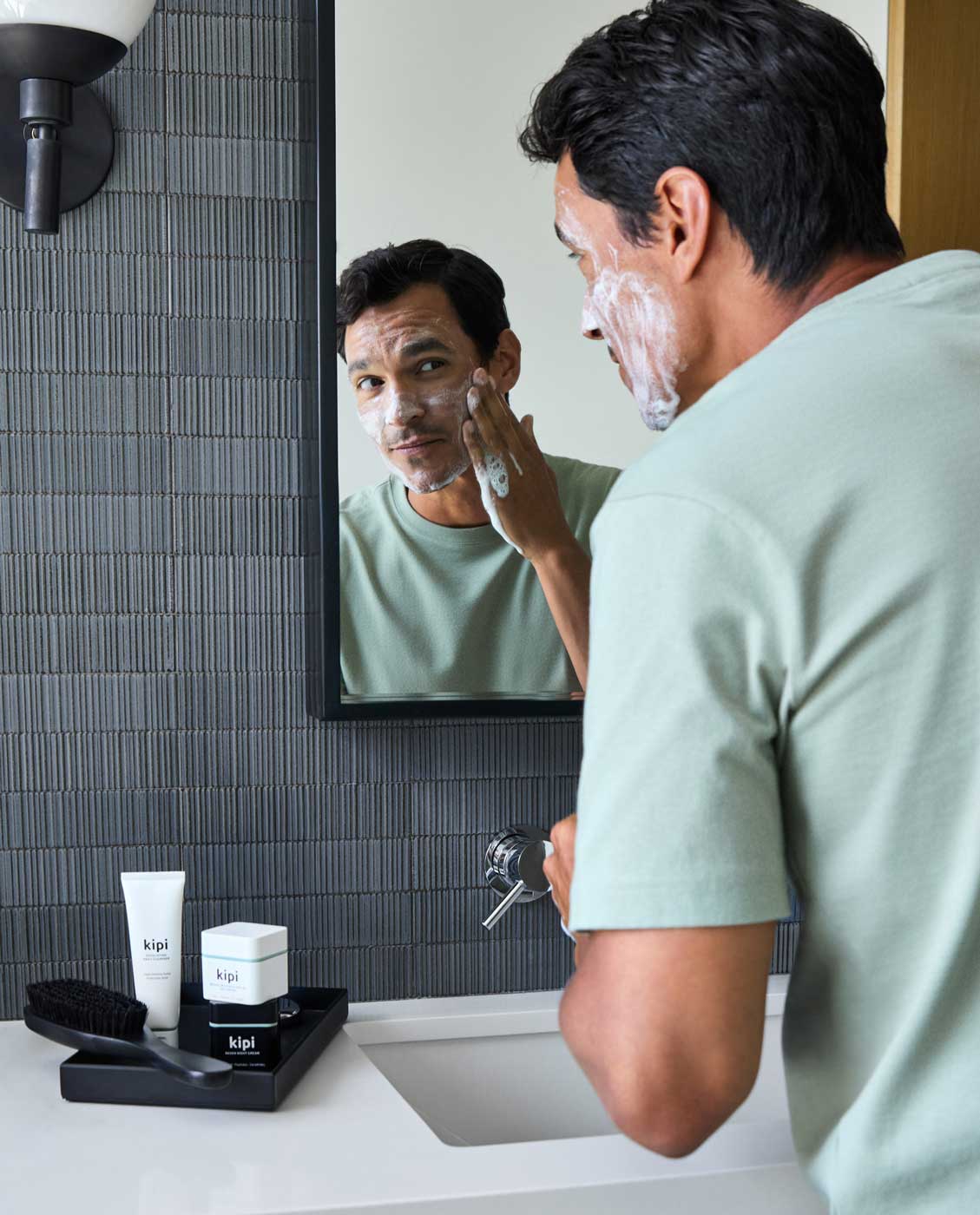
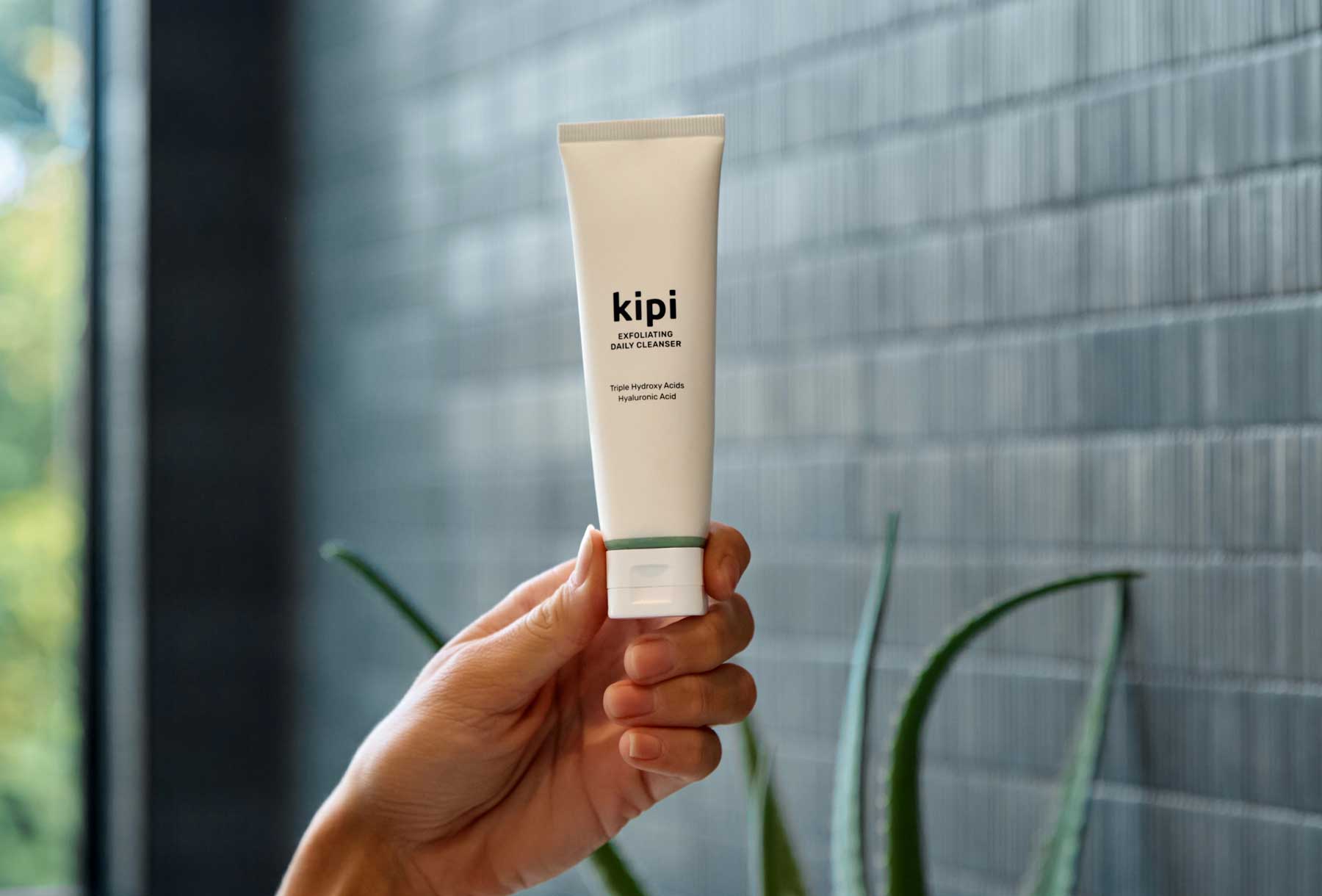
Across these consumer preference insights, a clear pattern emerges: people want skincare that is effective, transparent, ethically made, and easy to use. These trends directly align with how Kipi formulates and structures its offering—particularly the Exfoliating Daily Cleanser, which combines exfoliation, cleansing, and hydration in a single, pH-balanced formula. Its use of plant-derived hydroxy acids, charged hyaluronic acid, and disclosed active percentages reflects the growing demand for science-backed ingredients and clearer formulation transparency.
The data also shows rising preference for fewer steps, gentle but effective exfoliation, and routines that reduce decision fatigue. Kipi’s focus on one multifunctional product, supported by straightforward online purchasing and optional subscription delivery, connects naturally with these shifts. Rather than competing through complexity, Kipi aligns with the broader movement toward simplified, evidence-based skincare that fits into real-world routines.
Frequently Asked Questions
What drives consumer preference for chemical exfoliants over physical scrubs?
Chemical exfoliants dominate the market because they deliver controlled, uniform exfoliation at the cellular level without mechanical irritation or uneven results that physical scrubs create. Consumers educated about alpha-hydroxy acids, beta-hydroxy acids, and polyhydroxy acids recognize these formulations provide gentler daily exfoliation suitable for sensitive skin while delivering superior texture improvement and pore refinement.
Why do ethical certifications like vegan and cruelty-free influence 63% of purchasing decisions?
Ethical product attributes now influence the majority of consumers because values-alignment has become equally important as efficacy and price in purchasing frameworks. Consumers increasingly view skincare purchases as expressions of personal values regarding animal welfare, environmental responsibility, and corporate ethics, making vegan and cruelty-free certifications essential for brands seeking broad market appeal.
How do clean ingredient preferences affect formulation strategies?
Clean ingredient demand from 69.2% of buyers requires brands to prioritize plant-based actives, naturally-derived compounds, and recognizable ingredients over synthetic chemicals. However, clean beauty success requires maintaining science-backed efficacy through ingredients like naturally-occurring alpha-hydroxy acids from citrus fruits, plant-derived hyaluronic acid, and botanical extracts with clinical validation rather than sacrificing performance for natural positioning alone.
What role does simplicity play in modern skincare routine preferences?
Consumer preference shifts toward fewer, multifunctional products reflect time constraints, decision fatigue, and skepticism toward complex 10-step routines marketed through aspirational beauty content. Formulations delivering three benefits in single applications—exfoliation, purification, and hydration—align with this simplification trend while maintaining or exceeding efficacy of multi-product regimens through concentrated active ingredient formulations.
How important are measurable results to consumer satisfaction and loyalty?
Product quality and effectiveness drive 41% of brand loyalty, making measurable outcomes the single most powerful retention factor. Consumers expect visible improvements within trial periods, with clinical data showing 10-17% pore improvement and 6.47% texture reduction after one week validating purchase decisions through observable results rather than requiring long-term commitment before experiencing benefits.