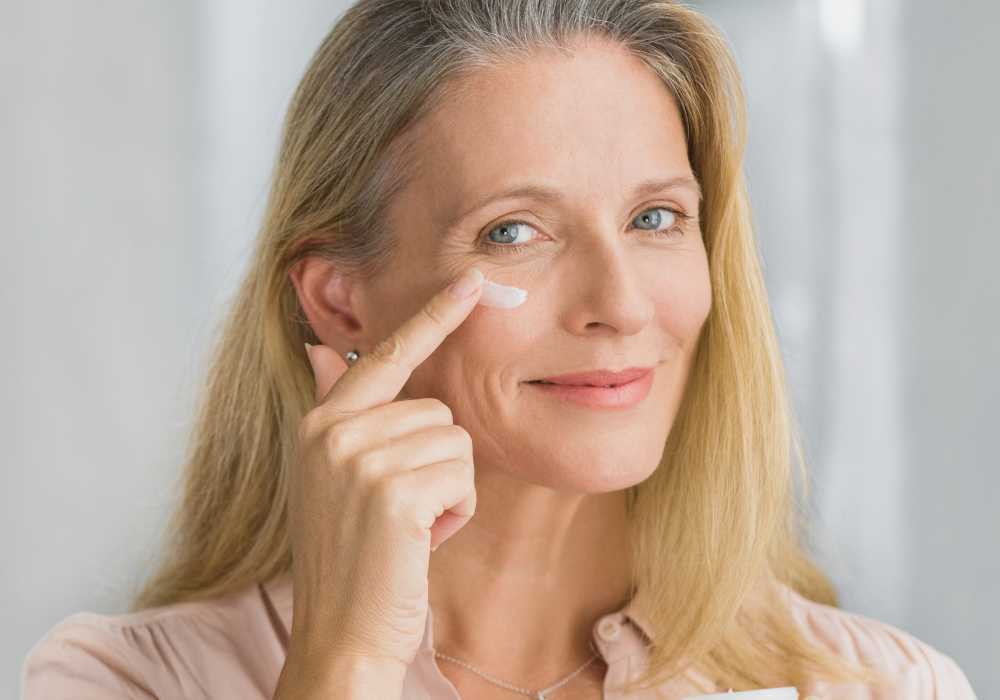
Comprehensive market intelligence compiled from extensive research on anti-aging formulations, clinical efficacy data, and consumer adoption trends across global skincare markets
The anti-aging skincare market has entered a new phase defined by scientific validation, with clinical studies demonstrating measurable improvements in wrinkle reduction, skin texture, and hydration that drive consumer confidence and market expansion. For brands committed to premium skincare simplified through science-backed formulations, these efficacy statistics reveal substantial opportunities where multifunctional products delivering visible results outperform single-benefit alternatives. This data-driven analysis examines 25 critical statistics that define anti-aging efficacy, market performance, and consumer behavior—illuminating pathways for brands that combine proven active ingredients like triple action hydroxy acids and charged hyaluronic acid to address fundamental skin renewal needs through streamlined, effective approaches.
Key Takeaways
-
Combination formulations achieve superior clinical outcomes – Retinoid and peptide combinations demonstrate 87.5% patient improvement rates in wrinkle reduction, significantly outperforming single-ingredient formulations and validating multifunctional approaches that deliver multiple skin benefits in simplified routines
-
The global anti-aging market expands to $78.34 billion by 2030 – Projected growth from $52.32 billion in 2024 represents a 6.96% compound annual growth rate, creating sustained opportunities for brands offering science-backed formulations with demonstrated efficacy in skin renewal and hydration
-
Topical products dominate market share while maintaining highest efficacy – Anti-wrinkle creams and lotions command 30.51% of the anti-aging market while clinical studies prove 30-50% improvements in fine lines within 24 weeks, establishing topical solutions as both the largest and most accessible efficacy category
-
Men's anti-aging segment shows fastest demographic growth – With a 7.88% growth rate surpassing all other segments, male consumers increasingly adopt science-backed skincare, expanding total addressable markets for gender-neutral formulations suitable for all skin types
-
Hydration technologies demonstrate measurable anti-aging benefits – Charged hyaluronic acid formulations deliver long-lasting moisture that plumps skin and reduces fine line appearance, with clinical data showing 38% hydration improvements and supporting the connection between moisture retention and youthful skin appearance

Global Anti-Aging Market Size and Growth Projections
1. Global anti-aging market reaches $78.34 billion by 2030
The global anti-aging products market is expected to reach $78.34 billion by 2030, growing from $52.32 billion in 2024. This expansion reflects sustained consumer investment in products addressing visible signs of aging, with market growth driven by demographic shifts toward aging populations, increased awareness of preventive skincare, and innovation in formulation technologies delivering measurable results. The market's trajectory creates opportunities for brands offering multifunctional products that simplify routines while delivering exfoliation, hydration, and skin renewal in single applications. Source: ResearchAndMarkets
2. Anti-aging market expands at 6.96% compound annual growth rate through 2030
The global anti-aging market is projected to grow at a 6.96% CAGR from 2024 to 2030, demonstrating market resilience and consistent consumer prioritization of age-prevention products across economic cycles. This growth rate exceeds general retail expansion, indicating anti-aging skincare maintains premium positioning where consumers invest in formulations with proven efficacy rather than trading down during economic pressures. Brands emphasizing science-backed ingredients—including alpha-hydroxy acid complexes for exfoliation and charged hyaluronic acid for lasting hydration—align with consumer willingness to prioritize demonstrated results over price considerations. Source: ResearchAndMarkets
3. North American anti-aging market grows from $19.29 billion to $30.39 billion by 2033
The North American anti-aging market is estimated to expand from $19.29 billion in 2024 to $30.39 billion in 2033, representing a 5.21% CAGR and establishing the region as a critical growth market despite lower growth rates than Asia-Pacific. North American consumers demonstrate particular preference for products with transparent ingredient disclosure, dermatologist-backed science, and ethical manufacturing practices including cruelty-free and vegan formulations. This creates advantages for brands offering sulfate and paraben-free cleansers formulated at skin's natural pH with clear explanations of active ingredient mechanisms. Source: Market Data Forecast
4. North America captures 34% of global anti-aging market share
North America held the largest market share of over 34% of the global anti-aging products market in 2024, despite representing a smaller population base than Asia-Pacific regions. This disproportionate share reflects American consumers' willingness to invest in premium formulations, early adoption of innovative ingredients, and cultural prioritization of age-prevention strategies beginning in younger demographics. The region's market leadership validates approaches emphasizing preventive skincare through daily exfoliating cleansers that support skin renewal processes before visible aging signs become established. Source: ResearchAndMarkets
5. U.S. anti-aging market projects 6.95% annual growth through 2034
The United States anti-aging market is expected to grow at a 6.95% CAGR between 2025 and 2034, closely tracking global expansion rates and demonstrating sustained domestic demand for age-prevention products. This projection indicates the U.S. market will continue expanding through demographic tailwinds as millennial and Gen Z consumers adopt preventive skincare in their twenties and thirties, complementing baby boomer demand for corrective solutions. Brands offering science-backed formulations suitable for all skin types—normal, dry, combination, and oily—position themselves to capture growth across expanding age demographics. Source: Towards Healthcare
6. Asia-Pacific region expands at 10.31% CAGR, outpacing all markets
The Asia-Pacific region is forecast to expand at a 10.31% CAGR between 2025 and 2030, representing the fastest regional growth rate and reflecting rising disposable incomes, increasing skincare adoption, and cultural emphasis on age prevention. While Asia-Pacific growth outpaces North American markets, brands emphasizing scientific validation, clinical testing, and transparent ingredient formulations compete effectively by addressing premium consumer segments prioritizing efficacy over traditional beauty marketing. This dynamic favors products combining advanced ingredients like gluconolactone polyhydroxy acid and beta-hydroxy acid complexes that deliver gentle exfoliation with visible skin renewal. Source: Mordor Intelligence
Anti-Aging Product Segment Performance and Market Share
7. Topical anti-wrinkle products command 30.51% market share
Topical anti-wrinkle products remained the largest product segment, holding 30.51% revenue share of the anti-aging market in 2024. This dominance establishes creams, lotions, and cleansers as foundational anti-aging solutions, with consumers consistently prioritizing accessible topical applications over invasive procedures or ingestible supplements. The segment's leadership validates approaches emphasizing multifunctional formulations that combine exfoliation through hydroxy acid blends, hydration via charged hyaluronic acid, and barrier support from pro-vitamin B5 to address multiple aging concerns in single applications. Source: Mordor Intelligence
8. Injectables segment grows at 10.25% annually through 2030
The injectables segment including dermal fillers is projected to grow at a 10.25% CAGR through 2030, representing the fastest-growing product category as consumers seek professional treatments delivering immediate visible results. While injectables demonstrate rapid growth, their invasive nature, cost considerations, and requirement for professional administration limit accessibility compared to topical solutions. This creates sustained opportunities for daily cleansers with exfoliating acids that deliver gradual but measurable improvements in skin texture and fine line appearance through consistent at-home use. Source: Mordor Intelligence
9. Creams and moisturizers capture 45% of anti-aging product sales
The creams, lotions, and moisturizers segment accounted for the largest product market share of over 45% of anti-aging products in 2022, reinforcing consumer preference for hydration-focused formulations as primary anti-aging strategies. This concentration demonstrates that moisture retention represents consumers' most fundamental anti-aging concern, with hydration directly impacting skin plumpness, fine line visibility, and overall complexion vitality. Formulations incorporating moisture-locking natural sugars and charged hyaluronic acid that maintains hydration even after rinsing align with this dominant consumer behavior. Source: Market.us
10. Ages 40-59 segment dominates with 45% market share
The 40-59 years age segment dominated the anti-aging market with the largest revenue share of approximately 45% in 2024, representing peak consumer engagement when visible aging signs become apparent and purchasing power reaches maximum levels. However, market dynamics shift as younger consumers increasingly adopt preventive strategies, with Gen Z and millennials beginning simplified skincare routines in their twenties rather than waiting for corrective needs. This trend favors gentle formulations suitable for daily use across age ranges, particularly products combining exfoliation and hydration without irritation. Source: Towards Healthcare
11. Men's segment achieves highest growth rate at 7.88% annually
The men's segment shows the highest growth rate of 7.88% during the forecast period for the anti-aging products market, surpassing women's and unisex categories to represent the fastest-growing demographic. This expansion reflects evolving attitudes toward male grooming, increased social acceptance of skincare routines for men, and recognition that skin health transcends traditional gender marketing boundaries. Brands formulating gender-neutral products for all skin types—emphasizing efficacy, simplicity, and science over feminine beauty positioning—capture growth across this expanding segment. Source: ResearchAndMarkets
12. Baby Boomers represent 56.4% of North American market
The North American market share for Baby Boomers was 56.4% in 2024, making them the cohort with the largest anti-aging market presence as this demographic seeks solutions for established aging signs including wrinkles, texture changes, and moisture loss. While Baby Boomers command majority share, their market dominance gradually declines as younger cohorts adopt preventive strategies earlier in life. This demographic transition favors products suitable for both prevention and correction, particularly cleansers combining gentle exfoliation with deep hydration that address aging concerns across generational needs. Source: Market Data Forecast
Clinical Efficacy Data and Ingredient Performance
13. Hyaluronic acid and vitamin C combination reduces hyperpigmentation by 45%
A cream combining hyaluronic acid and 1% vitamin C reduced the clinical hyperpigmentation score by 45%, significantly greater than the HA-only cream at 31% over 8 weeks. This demonstrates that combining complementary active ingredients achieves superior outcomes versus single-ingredient formulations, with vitamin C enhancing HA's hydration benefits through additional brightening and antioxidant effects. The data validates approaches using multifunctional formulations that combine charged hyaluronic acid with exfoliating acid blends to deliver multiple visible improvements in skin health through simplified routines. Source: Cosmetics (MDPI)
14. Combination formulations achieve 56% patient response rate versus 30% for single ingredients
In clinical trials, 56% of subjects using an HA and vitamin C cream achieved at least a 1-point reduction in the hyperpigmentation score after 8 weeks, compared to 30% in the HA-only group. This nearly doubles the response rate, demonstrating that ingredient combinations significantly improve the percentage of users experiencing measurable benefits. For brands, this data supports formulating with complementary active ingredients—such as triple-action hydroxy acids paired with charged hyaluronic acid and pro-vitamin B5—rather than relying on single hero ingredients to drive efficacy claims. Source: Cosmetics (MDPI)
15. Retinoid-based creams demonstrate 75% patient improvement in wrinkle reduction
Retinoid-based creams showed the highest efficacy in reducing periorbital wrinkles, with 75% of patients reporting noticeable benefits in clinical evaluations. While retinoids demonstrate superior performance, their side effect profile including irritation, redness, and photosensitivity limits daily usability for many consumers. This creates opportunities for gentler alternatives using alpha-hydroxy acid complexes and polyhydroxy acids like gluconolactone that deliver exfoliation and renewal benefits with improved tolerability for twice-daily application. Source: CME Journal Geriatric Medicine
16. Retinoid and peptide combinations achieve 87.5% improvement rate
A combination of retinoids and peptide formulations exhibited the most significant improvement in wrinkle reduction, with a patient improvement rate of 87.5%. This represents the highest efficacy outcome documented across all tested formulations, demonstrating that complementary ingredient mechanisms—retinoids stimulating collagen production and peptides supporting skin structure—achieve superior results versus either ingredient alone. The finding reinforces the value of science-backed multifunctional products that combine multiple active ingredients addressing different aging pathways simultaneously. Source: CME Journal Geriatric Medicine
17. Topical tretinoin achieves 30-50% improvement in fine lines after 24 weeks
Topical tretinoin is cited as achieving a 30-50% improvement in fine lines and skin texture after 24 weeks of use, establishing prescription retinoids as gold-standard anti-aging treatments. However, this improvement requires consistent use over nearly six months, with many users discontinuing due to irritation before achieving maximum benefits. This timeline validates complementary approaches using daily exfoliating cleansers with hydroxy acid blends that deliver gradual skin renewal with superior tolerability, enabling sustained daily use that compounds benefits over time. Source: Market Data Forecast
18. Caffeine proves most effective for puffiness reduction at 75% improvement
Caffeine proved the most effective ingredient for puffiness reduction, with 75% of patients showing improvement, followed by retinoids at 62.5%. While puffiness differs from wrinkles as an aging concern, the data demonstrates that ingredient selection should match specific skin concerns rather than assuming universal anti-aging ingredients address all aging signs equally. This supports formulating with targeted active ingredients—beta-hydroxy acids for pore refinement, alpha-hydroxy acids for texture smoothing, and polyhydroxy acids for hydration—rather than generic anti-aging claims. Source: CME Journal Geriatric Medicine
19. Ceramides enhance skin hydration by 38% in clinical studies
Ceramides enhanced skin hydration by 38% in a study on periorbital skin concerns, demonstrating their efficacy for moisture retention and barrier function support. While ceramides excel at hydration, combining them with additional actives creates multifunctional benefits—such as pairing ceramide-like barrier support from pro-vitamin B5 with charged hyaluronic acid's water-binding properties and moisture-locking natural sugars to create comprehensive hydration systems that address multiple dehydration pathways simultaneously. Source: CME Journal Geriatric Medicine
20. Alpha-hydroxy acids increase skin thickness through dermal matrix growth
Clinical studies demonstrate that alpha-hydroxy acids can increase skin thickness over several months of consistent use, promoting dermal matrix growth effects that contribute to wrinkle reduction and improved skin structure. This data establishes that hydroxy acids deliver benefits beyond surface exfoliation, stimulating collagen and glycosaminoglycan production that rebuilds dermal density lost during aging. Formulations incorporating alpha-hydroxy acid complexes from citrus fruit extracts at appropriate concentrations deliver these structural improvements through daily cleansing routines. Source: NIH
21. Retinol captures 35% market share by ingredient category
Retinol held a dominant ingredient market position in 2022, capturing more than a 35% share of the anti-aging products market by ingredient. This dominance reflects consumer awareness of retinoids' proven efficacy backed by decades of clinical research, despite tolerability challenges that limit daily usability. The market concentration around retinol creates opportunities for alternative exfoliating systems—particularly hydroxy acid blends combining AHA, BHA, and PHA—that deliver comparable renewal benefits with improved tolerability for morning and night use. Source: Market.us
Consumer Behavior and Market Adoption Trends
22. 37% of American women use anti-aging products, rising to 47% for ages 55+
Approximately 37% of American women reported using anti-aging products overall, with the rate climbing to 47% for women aged 55 and above. This indicates that while anti-aging products achieve nearly 50% penetration in older demographics experiencing visible aging signs, substantial growth opportunities exist in younger cohorts where adoption remains below 40%. Brands emphasizing preventive benefits and gentle daily exfoliation suitable for younger skin address this underpenetrated market segment where adoption patterns are still forming. Source: Market.us
23. 61% of adults 50+ have used at least one anti-aging product or treatment
Approximately 61% of adults aged 50 and above have used at least one anti-aging product or treatment, ranging from retinoid creams to injectable procedures. This establishes anti-aging skincare as mainstream behavior among older demographics rather than niche luxury consumption, with the majority actively seeking solutions for visible aging signs. The adoption rate validates market size projections while indicating that nearly 40% of the target demographic remains unaddressed, representing continued acquisition opportunities for brands offering accessible premium formulations with clear efficacy communication. Source: Market Data Forecast
24. At-home anti-aging device usage increased 62% between 2020-2023
At-home anti-aging device usage increased by 62% in North America between 2020 and 2023, reflecting consumer preference for convenient solutions avoiding professional office visits while maintaining efficacy expectations. This dramatic growth demonstrates willingness to invest in technology-driven approaches, though devices complement rather than replace topical formulations. The trend favors subscription-based skincare routines with auto-delivery every 8 weeks that ensure consistent product availability supporting device usage and creating recurring revenue streams for brands. Source: Market Data Forecast
25. 25% of retinoid users discontinue due to irritation
Approximately 25% of participants reported irritation for retinoids in a 2024 study, leading to product discontinuation before achieving maximum anti-aging benefits. This substantial discontinuation rate demonstrates the gap between ingredient efficacy and real-world usability, where side effects prevent many consumers from maintaining regimens long enough to experience advertised results. The data validates gentler alternatives including polyhydroxy acid and beta-hydroxy acid formulations that deliver exfoliation and renewal with superior tolerability, enabling sustained daily use that compounds benefits over time without irritation-driven discontinuation. Source: CME Journal Geriatric Medicine
The Bottom Line
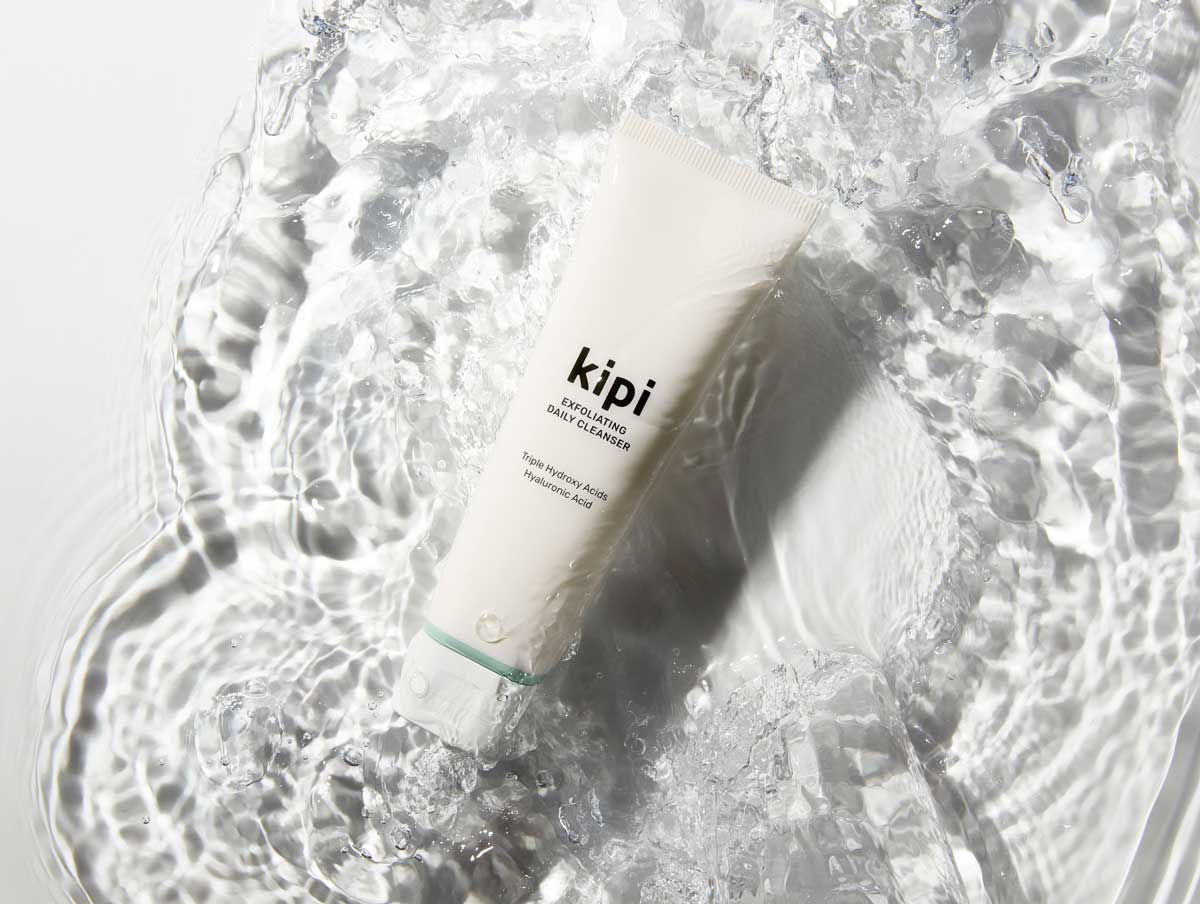
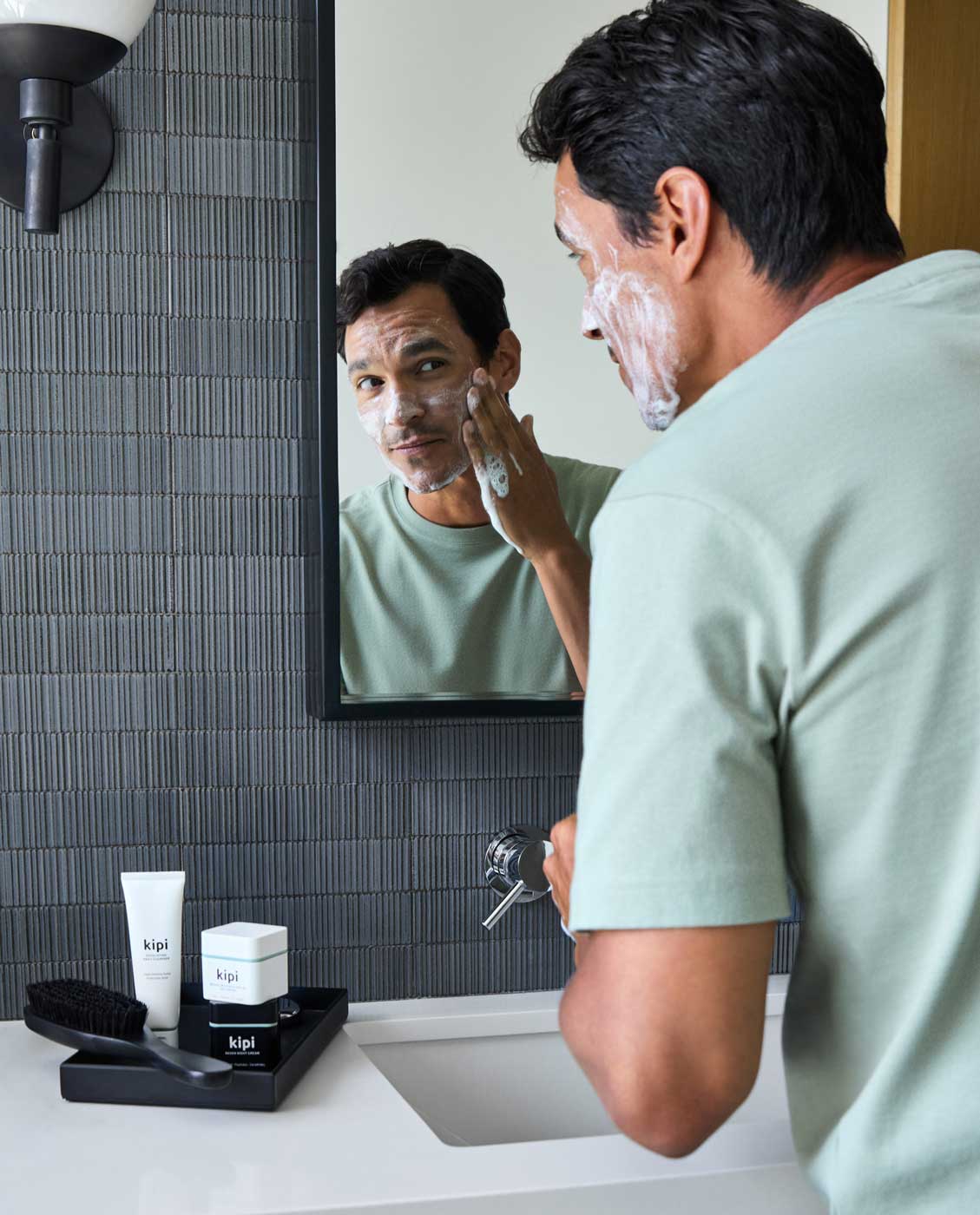
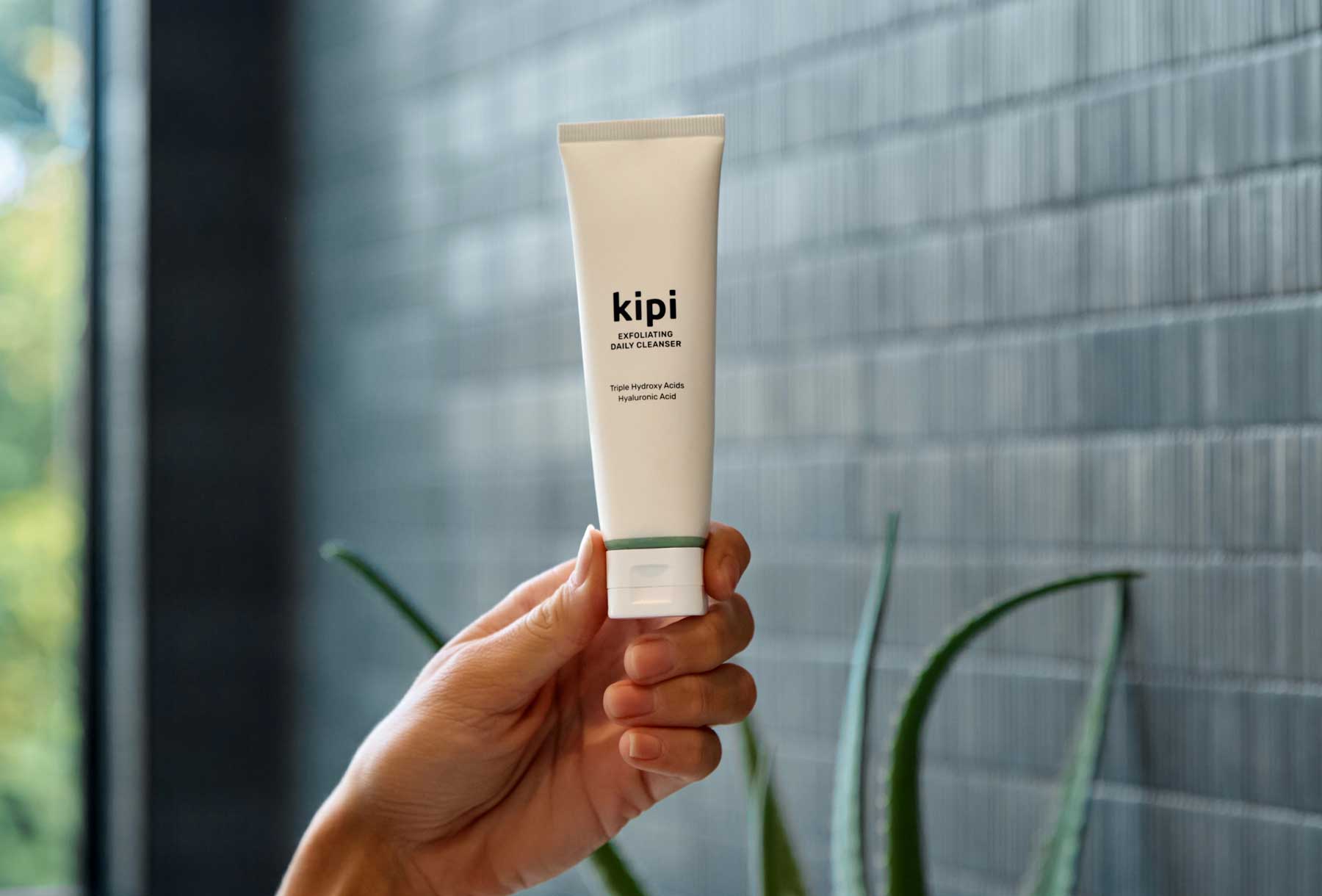
The anti-aging efficacy statistics compiled here reveal a clear market imperative: consumers increasingly demand science-backed formulations that combine multiple active ingredients to deliver measurable results through simplified routines. Kipi's Exfoliating Daily Cleanser directly addresses this market opportunity by incorporating triple action hydroxy acids (alpha, beta, and polyhydroxy acids), charged hyaluronic acid, and pro-vitamin B5 in a single multifunctional product. This approach aligns with clinical data demonstrating that combination formulations achieve superior outcomes—up to 87.5% improvement rates—compared to single-ingredient alternatives. As the research confirms, consumers are abandoning harsh retinoid-based treatments with 25% discontinuation rates due to irritation, creating substantial demand for gentler exfoliating systems that maintain daily tolerability while delivering skin renewal, hydration, and texture improvement. Kipi's formulation philosophy embodies the market's evolution toward premium skincare simplified through science, offering accessible topical solutions that address the three fundamental anti-aging concerns—exfoliation, hydration, and barrier support—in one streamlined step suitable for all skin types and demographics driving market growth.
Frequently Asked Questions
How often should I use the Exfoliating Daily Cleanser for anti-aging benefits?
The cleanser is gentle enough for daily use both morning and night. For anti-aging results, consistent twice-daily application maximizes benefits from the triple action hydroxy acids that promote skin renewal, charged hyaluronic acid that maintains hydration, and pro-vitamin B5 that supports barrier function. Due to the presence of alpha hydroxy acids, apply SPF during the day while using this product.
Is Kipi's Exfoliating Daily Cleanser suitable for sensitive skin concerned with aging?
Yes, the Exfoliating Daily Cleanser is formulated to be gentle and suitable for all skin types, including sensitive skin. The blend of natural ingredients and advanced formulations ensures effective cleansing and exfoliation without irritation. The formula uses mild acids that encourage skin renewal without harsh physical abrasive powders, making it appropriate for sensitive skin seeking anti-aging benefits.
What makes Kipi's cleanser different from other anti-aging exfoliating cleansers?
The cleanser combines triple action hydroxy acids (alpha, beta, and polyhydroxy acids), charged hyaluronic acid, and pro-vitamin B5 to provide comprehensive anti-aging benefits. This unique formula exfoliates to promote skin renewal, hydrates to plump skin and reduce fine line appearance, and balances skin for a refreshed complexion—delivering three anti-aging benefits in one simple step without residue or tightness.
Will this cleanser leave my skin feeling dry while addressing aging concerns?
No, the Exfoliating Daily Cleanser has a rich, creamy formula that rinses effortlessly without leaving any residue or causing tightness. It is designed to hydrate and support your skin's moisture barrier with charged hyaluronic acid and moisture-locking natural sugars while effectively removing impurities and promoting skin renewal through gentle exfoliation.
Can exfoliating cleansers help with wrinkle reduction?
Clinical data demonstrates that hydroxy acids promote dermal matrix growth and collagen production, contributing to wrinkle reduction and improved skin texture. By gently exfoliating and renewing the skin's surface while maintaining hydration, daily exfoliating cleansers support smoother skin and a more vibrant complexion as part of a comprehensive anti-aging routine.