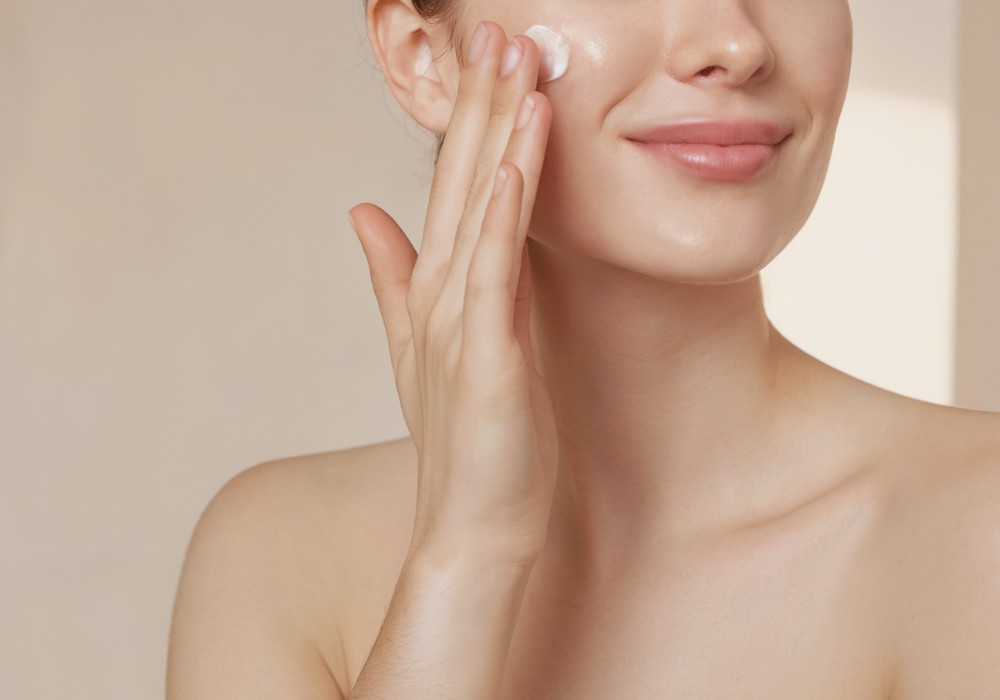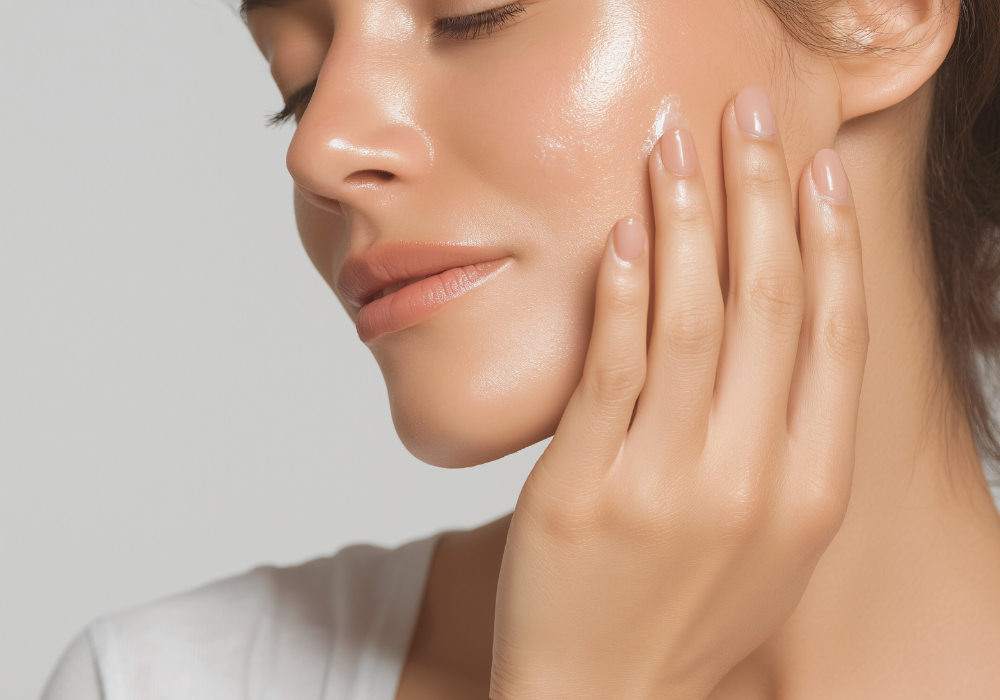
Angelina Jolie's approach to skincare isn't about elaborate procedures or complicated regimens. Since age eleven, Jolie has worked with dermatologist Dr. Rhonda Rand to build a simple routine: gentle cleansing, sunscreen, antioxidants, and moisturizer. The philosophy behind this minimalist approach aligns with what dermatological science has proven for decades—consistent foundational practices deliver better results than product proliferation. While Americans spend roughly $492 annually on skincare, Jolie demonstrates that effectiveness comes from dedication to proven principles rather than expensive product collections.
What makes Jolie's routine particularly relevant is her commitment to prevention over correction. Dr. Rand notes that "she never wears makeup unless she's working—it's probably another reason her skin looks good," highlighting a critical principle that dermatologists emphasize: allowing skin to breathe and maintain its natural barrier function. By going makeup-free when not working and maintaining the same dermatological guidance for decades, Jolie exemplifies how long-term consistency beats short-term intensity.
Key Takeaways
-
Jolie's four-pillar routine—gentle cleansing, sun protection, antioxidants, and moisturization—reflects core dermatological principles backed by clinical evidence
-
Starting a professional skincare routine at age eleven gave Jolie decades of prevention, demonstrating the value of early intervention
-
UV protection is a leading factor in preventing wrinkles and aging signs, making daily broad-spectrum SPF 30+ sunscreen non-negotiable
-
Minimalist routines often outperform complex regimens when foundational practices are consistent
-
Chemical exfoliants like glycolic acid work by reducing corneocyte cohesion and improving skin texture without physical abrasives
-
Natural ingredients and science-backed formulations can deliver professional-grade results at home

Celebrity Beauty Secrets: What Makes Hollywood Skin Glow
The skin you see on red carpets isn't just genetics. It's the result of consistent routines, professional treatments, and preventative care that starts early. Hollywood dermatologists emphasize foundational practices over trendy ingredients.
Celebrity skincare approaches share common threads: regular professional guidance, commitment to sun protection, and simplified daily routines. The idea that celebrities use dozens of products is mostly marketing. Most work with board-certified dermatologists who can diagnose skin conditions and determine appropriate treatments based on individual skin types.
What Angelina Jolie Has Shared About Her Beauty Philosophy
Jolie's philosophy centers on natural beauty and minimal intervention. She stated: "I've had the same dermatologist since I was 11; her name is Rhonda Rand. To have somebody who is very encouraging of being as natural as possible has really helped me."
This continuity of care allowed Dr. Rand to monitor skin changes over decades, adjust treatments as needed, and prevent issues before they required intensive correction. The approach reflects a shift in dermatology toward long-term relationships rather than one-off treatments.
Dr. Rand's prescription for Jolie was straightforward: "It was really just sunscreen, proper cleansing with a mild, gentle cleanser, antioxidants, sometimes glycolic [acids], and natural products." No elaborate protocols, just consistent application of proven principles.
Daily Skin Care Routine at Home: Building Your Foundation
A daily routine doesn't need to be complicated. The skin cycle takes four to six weeks to renew and show results, so consistency matters more than product variety.
Research examining facial skincare routine adherence found that good daily cleansing and moisturizing can increase microbiome diversity and skin hydration. The skin microbiome—the diverse community of commensal microbes on facial skin—is integral in preventing harmful pathogens from colonizing the skin.
Morning Routine Essentials for Glowing Skin
Morning routines should focus on protection. After cleansing with a gentle product, apply antioxidants to neutralize free radicals from UV exposure and pollution. Follow with a broad-spectrum sunscreen with SPF 30 or higher.
UV rays are strongest from 10 a.m. to 4 p.m. Even when indoors, you're exposed through windows and during your commute, so daily application is non-negotiable.
Jolie pairs sunscreen use with wearing hats—a comprehensive photoprotection approach. Clothing made from tightly woven fabric offers the best UV protection, and darker colors may offer more protection than lighter colors.
Evening Routine Steps for Skin Renewal
Evening routines focus on repair. Thorough makeup removal is critical—when makeup sits on skin too long, it traps oil, pollution, and dead skin cells, blocking pores, slowing cell turnover, and dulling texture.
After cleansing, apply treatments like alpha hydroxy acids or retinoids. These work overnight when skin is in repair mode. Finish with a moisturizer to support barrier function.
Research has shown that using a gentle cleanser with moisturizer can lead to significant improvement in skin texture and a decrease in dryness for those with dry or sensitive skin concerns.
Skin Care Routine Order Morning and Night: The Correct Sequence
The sequence in which skincare products are applied affects how well they work. Dermatologists recommend a specific order to maximize absorption and efficacy.
Why Order Matters for Product Efficacy
The general rule is to apply products from thinnest to thickest consistency. Water-based serums go on before oil-based moisturizers. This allows lighter products to penetrate before heavier ones create a barrier.
pH also matters. Cleansers with an alkaline pH of 10-11 produce skin protein swelling and ionization of lipid bilayers. Synthetic detergents with more acidic to neutral pH of 5-7 minimize barrier damage and are preferred for individuals with skin concerns.
Correct morning sequence:
-
Gentle cleanser
-
Toner (optional)
-
Antioxidant serum
-
Eye cream
-
Moisturizer
-
Sunscreen SPF 30+
Correct evening sequence:
-
Makeup remover (if needed)
-
Gentle cleanser
-
Exfoliating treatment (2-3 times weekly)
-
Treatment serum or retinoid
-
Eye cream
-
Night moisturizer
Common Sequencing Mistakes to Avoid
Applying sunscreen before moisturizer reduces SPF efficacy. Sunscreen should always be the final step in your morning routine.
Using too many active ingredients at once causes irritation. If using both AHAs and retinoids, alternate nights rather than layering them.
The Power of Exfoliation in Celebrity Skincare Routines
Chemical exfoliation is a cornerstone of professional skincare. Jolie uses glycolic acid treatments, which work to remove the stratum corneum, increase collagen and elastin, keep pores clean and appearing small, and even out discoloration.
Alpha hydroxy acids enhance skin rejuvenation by reducing corneocyte cohesion, boosting collagen and elastin synthesis, and improving skin texture and luminosity. AHAs are found throughout nature in sugarcane (glycolic acid), sour milk (lactic acid), and fruits (citric acid and malic acid).
How Hydroxy Acids Transform Skin Texture
AHAs diminish corneocyte cohesion immediately above the granular layer by detaching and desquamating the stratum corneum. This gentle exfoliation reveals fresh, radiant skin without harsh physical scrubs.
The effectiveness of AHAs depends on pH, concentration, and exposure time. Higher concentrations result in more effective treatment but also increase the risk of skin irritation and sensitivity.
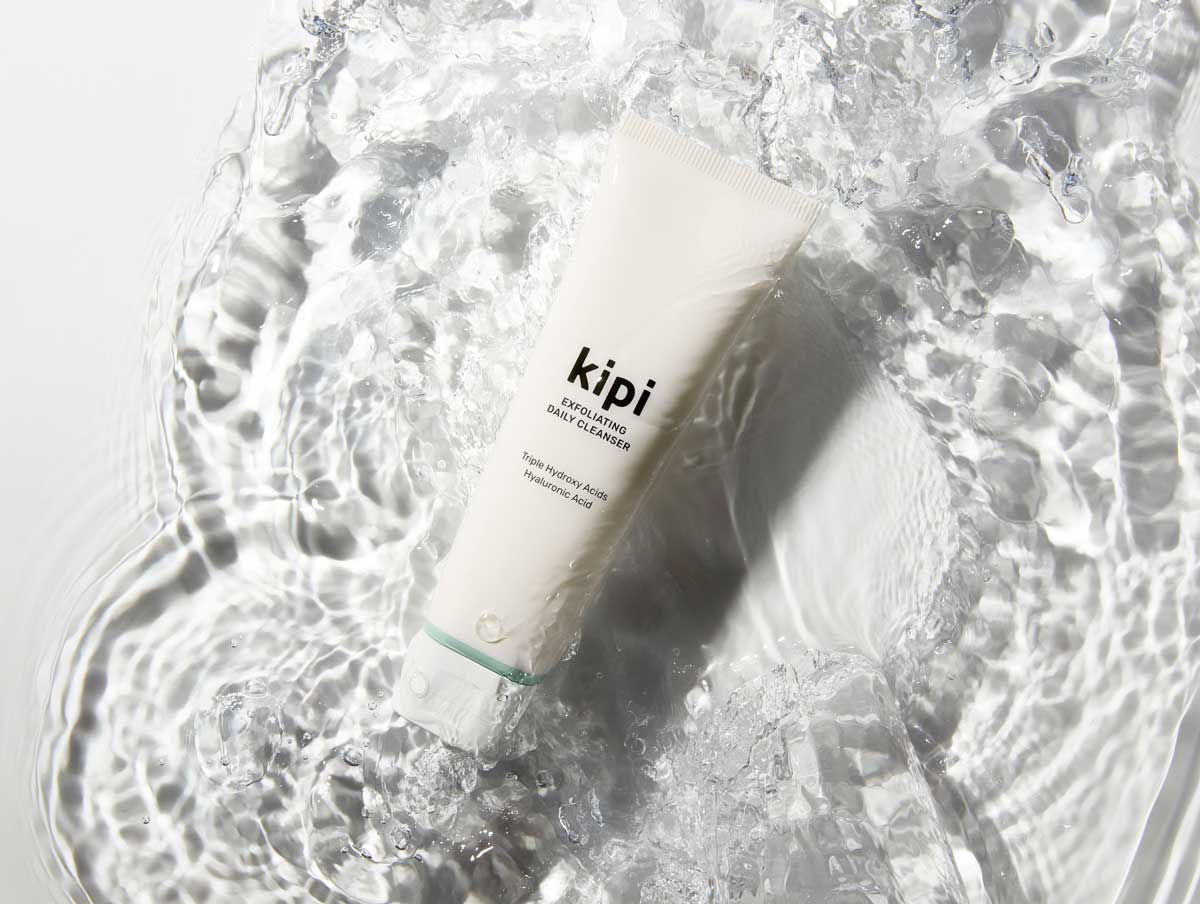
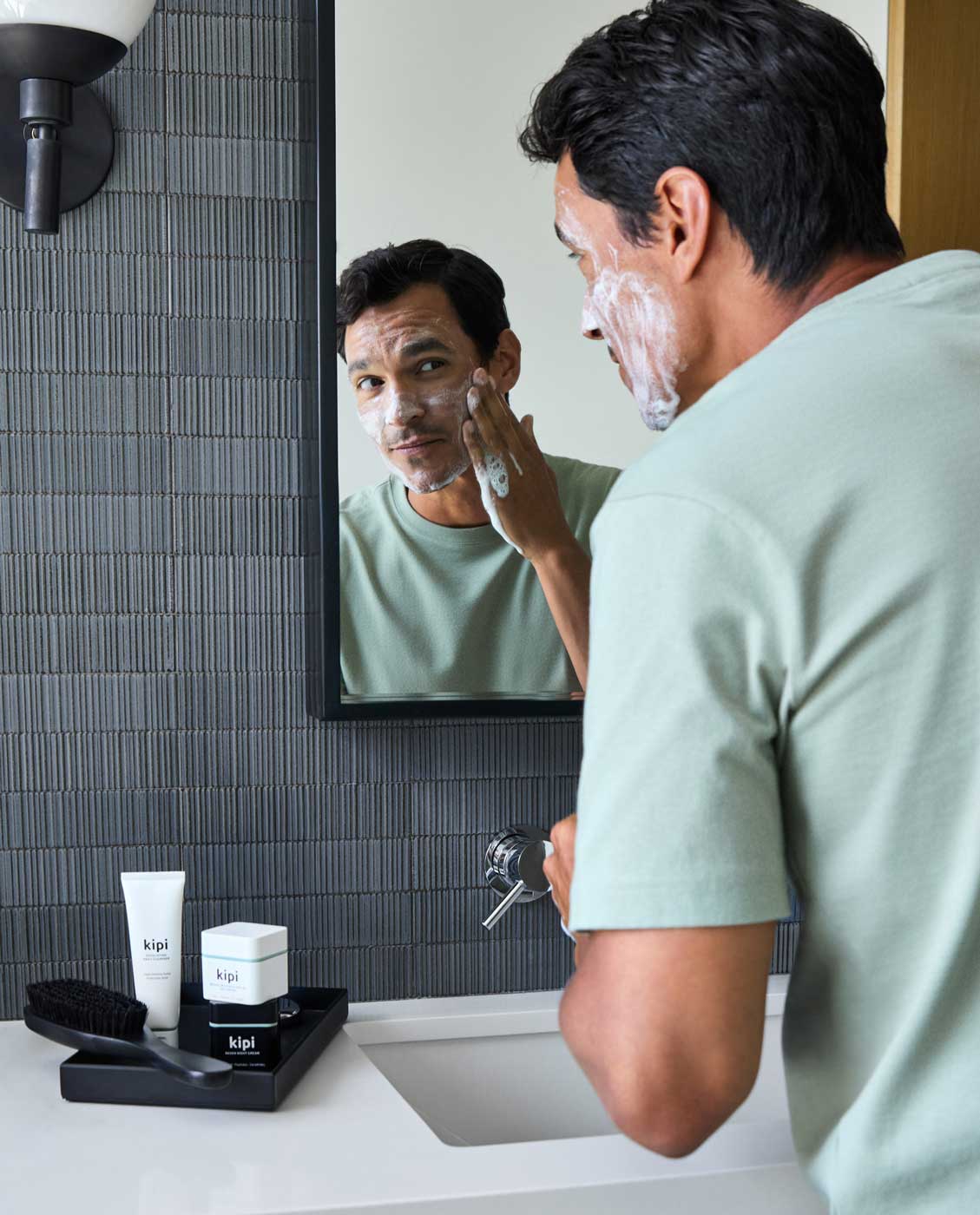
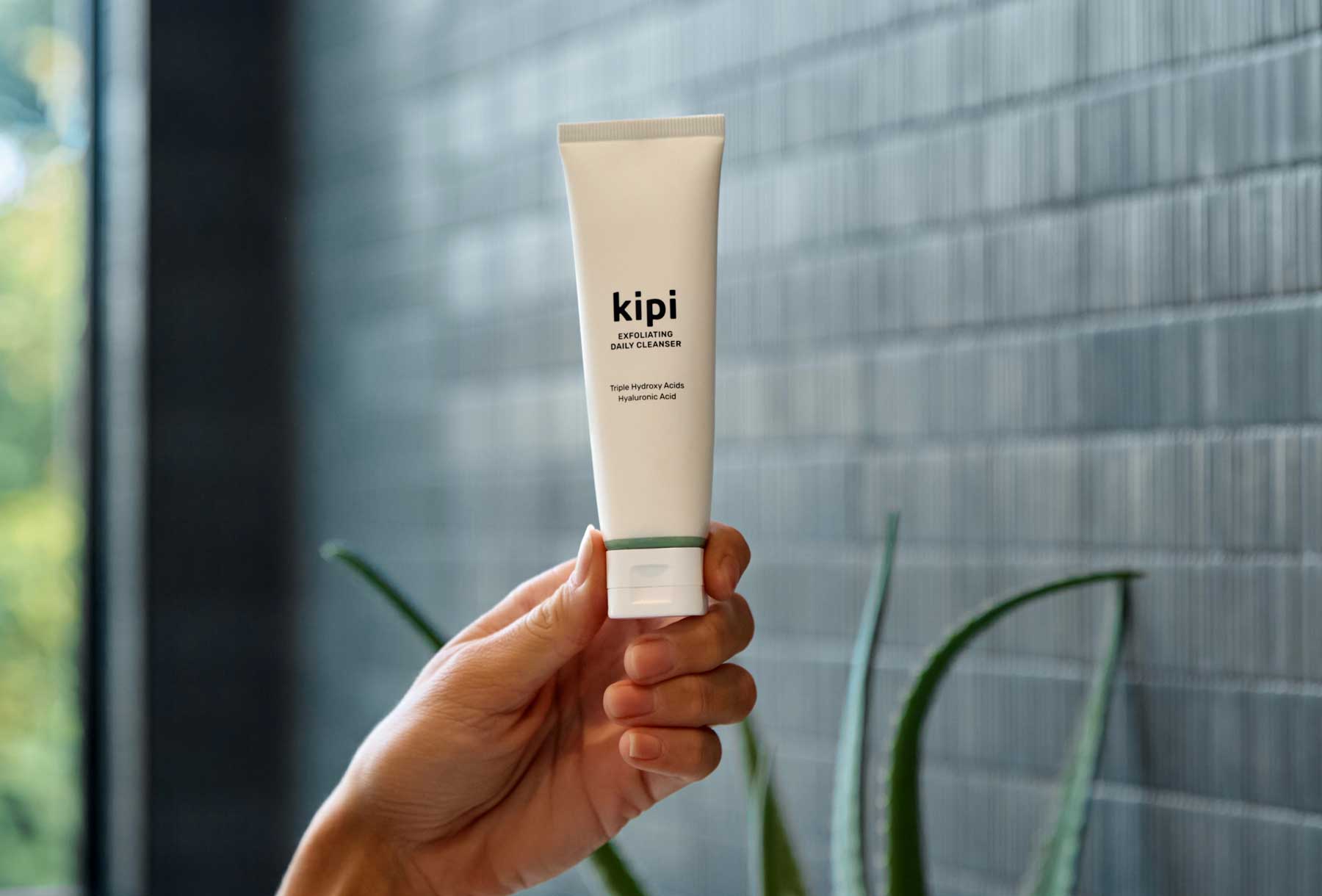
For daily use, a multifunctional formula that combines triple-action hydroxy acids offers gentle exfoliation without irritation. Kipi's Exfoliating Daily Cleanser features a balanced blend of AHA 1%, BHA 0.4%, and PHA 1% that exfoliates, removes impurities, and hydrates in one step—simplifying the routine while delivering visible results. Vegan & cruelty-free.
Daily Exfoliation vs. Weekly Treatments
Daily exfoliation with lower concentrations maintains smooth texture without the downtime of weekly peels. Leave-on treatments deliver sustained benefits, while rinse-off formulas provide gentler exfoliation suitable for daily use.
Chemical peeling uses AHAs at various concentrations and time intervals for more intensive treatments. These are typically performed by dermatologists for concerns like acne scars, melasma, and hyperpigmentation.
For at-home use, daily cleansers with gentle acids formulated to work effectively while maintaining skin barrier integrity provide consistent exfoliation. These pH-balanced formulas at skin's natural range of 4.5-5.5 can support healthy skin without disrupting the skin barrier or microbiome when properly formulated.
Science-Backed Skincare: Understanding Active Ingredients
The brain burns through about 20% of the body's energy, and similarly, skin requires significant cellular energy for repair and renewal. Ingredients that support energy metabolism and cellular function deliver measurable results.
How Charged Hyaluronic Acid Differs from Standard HA
Standard hyaluronic acid provides surface hydration, but next-generation charged hyaluronic acid has been engineered to carry a positive charge, designed to enhance the binding of water molecules to the skin for effective hydration even after rinsing.
This innovation is formulated to deliver long-lasting moisture, resulting in smoother, plumper skin that remains hydrated throughout the day. The molecular engineering aims to allow for better retention, making it suitable for rinse-off products where hydration needs to persist after washing.
The Role of pH in Skincare Effectiveness
Cleanser pH profoundly impacts skin health. Soap typically has an alkaline pH of 10-11, which can disrupt the skin barrier. Synthetic detergents with more acidic to neutral pH of 5-7 minimize barrier damage and are preferred for individuals with skin concerns.
Products formulated at skin's natural pH of 4.5-5.5 help maintain microbiome balance. Maintaining proper pH prevents the barrier disruption that leads to sensitivity, inflammation, and premature aging. It's a foundational principle in effective skincare formulation.
Frequently Asked Questions
What is Angelina Jolie's complete daily skincare routine?
Jolie's routine consists of four essential steps: gentle cleansing, daily SPF 30+ sun protection with hats, antioxidants including glycolic acid treatments, and moisturization. Dr. Rhonda Rand emphasizes Jolie avoids wearing makeup unless working, allowing her skin to maintain its natural barrier function.
How does chemical exfoliation with hydroxy acids compare to physical scrubs?
Chemical exfoliants like AHAs work by reducing corneocyte cohesion to gently remove dead skin without physical abrasion, making them gentler than scrubs which can cause micro-tears. AHAs boost collagen synthesis and improve texture. Effectiveness depends on pH, concentration, and formulation.
At what age should someone start a professional skincare routine?
Jolie began at age eleven, demonstrating the value of early prevention. The twenties are ideal for establishing a formal routine, though starting earlier offers extended benefits. Prevention is better than cure—early habits addressing sun protection and basic care prevent future damage.
How long does it take to see results from a consistent skincare routine?
The skin cycle takes four to six weeks to show results, so continue products for at least two months. Week 1-2: improved hydration; Week 3-4: accelerated cell turnover; Week 5-8: visible improvements in texture, tone, and radiance. Consistency is essential—avoid product hopping.
What makes a cleanser suitable for all skin types?
A universal cleanser maintains pH 4.5-5.5, uses gentle surfactants that don't strip the barrier, and provides hydration while cleansing. Multifunctional formulas combining gentle cleansing with hydrating ingredients like hyaluronic acid work across skin types—balancing oil without over-stripping while supporting the barrier with ingredients like panthenol.